Introduction
Johnny Weir is a name synonymous with figure skating, not only for his remarkable athletic skills but also for his vibrant personality and unique style. As a three-time U.S. national champion and Olympic competitor, Weir’s journey in the sport has captivated millions. His influence extends beyond the ice, as he has become a notable television personality and advocate for the LGBTQ+ community. Understanding Weir’s impact in both the sports and entertainment arenas highlights the importance of representation and individuality in athletics.
Career Highlights
Johnny Weir was born on July 2, 1984, in Coatesville, Pennsylvania. He began skating at a young age, displaying exceptional talent that led him to major competitions early in his career. He gained national prominence after winning the U.S. National Championships in 2004, and subsequently, he competed in the Winter Olympics in 2006 and 2010, earning a place in the hearts of fans worldwide.
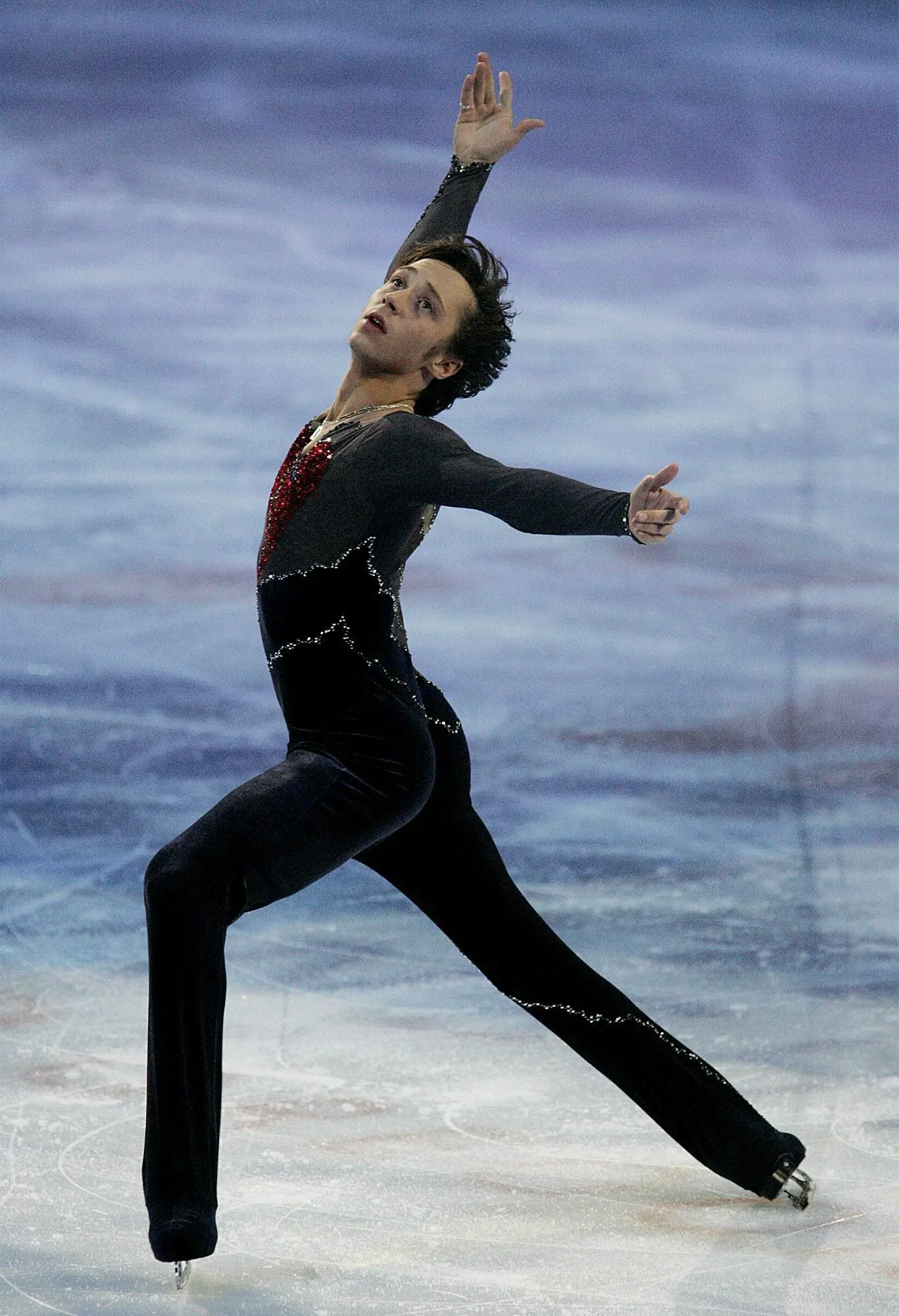
His performances are remembered not just for their technical precision but also for their artistry. Weir’s signature style, characterized by expressive choreography and theatrical costuming, set him apart from his contemporaries. He also became known for his engaging commentary during figure skating broadcasts, which further solidified his status as a media personality.
Recent Developments
In recent years, Weir has continued to be active in figure skating and entertainment. He has been a prominent commentator for NBC at multiple Olympic Games, bringing a blend of information and entertainment to viewers at home. Furthermore, Weir has leveraged his platform to advocate for LGBTQ+ rights and has openly discussed his journey of self-acceptance, inspiring many who face similar struggles.
Today, Weir is a widely recognized public figure, participating in various media projects, including reality television. He recently appeared as a contestant on the television show ‘Dancing on Ice,’ showcasing his versatility as a performer. Weir’s continued presence in the public eye has kept him relevant in both the skating community and the broader cultural landscape.
Conclusion
Johnny Weir’s contributions to figure skating and his role as a cultural icon demonstrate the significant impact an athlete can have beyond their sport. As he navigates new ventures in entertainment, his commitment to advocating for diversity and acceptance remains a significant aspect of his narrative. Fans and advocates alike continue to support his journey, showcasing the enduring power of sports figures in shaping public discourse and representation. With his unwavering spirit and unique flair, Johnny Weir will likely continue to influence and inspire for years to come.