Temporary Suspension Under Consideration
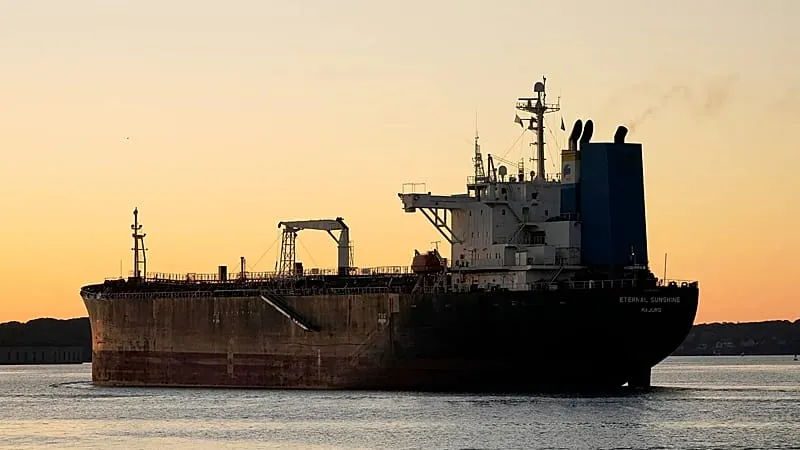
The Trump administration is preparing to issue a temporary suspension of the Jones Act as part of its efforts to address rising energy prices. This potential waiver would allow foreign tankers to help supply refiners on the U.S. East Coast with fuel from the Gulf Coast and other regions.
Immediate Circumstances
Currently, the Jones Act mandates that goods shipped between two U.S. ports must be transported on vessels that are American-built, American-owned, American-flagged, and crewed primarily by American workers and permanent residents. The proposed waivers could be issued for a period of 30 days, similar to the last waiver granted in October 2022, which was for a tanker supplying Puerto Rico after Hurricane Fiona.
The Jones Act was introduced after World War I to strengthen the U.S. shipping industry and is often viewed as a protectionist measure that safeguards domestic businesses. The last significant easing of the law occurred in 2021 when the Biden administration temporarily relaxed the requirements for refiner Valero Energy following a cyberattack that disrupted a major East Coast fuel pipeline.
In the current scenario, the Trump administration is looking at multiple options to tackle the ongoing rise in energy prices, particularly in light of the war in Iran. The administration has already released 172 million barrels from the Strategic Petroleum Reserve, with plans to inject an additional 400 million barrels into global markets.
Official Statements
Karoline Leavitt stated, “In the interest of national defense, the White House is considering waiving the Jones Act for a limited period of time to ensure vital energy products and agricultural necessities are flowing freely to U.S. ports.” This statement underscores the administration’s focus on maintaining a steady supply of essential goods amid rising geopolitical tensions.
As the situation develops, the number of qualifying ocean-going vessels under the Jones Act has decreased from 193 to 92, raising concerns about the capacity to meet domestic shipping needs. Details remain unconfirmed regarding the exact timeline and conditions of the proposed suspension.