Introduction
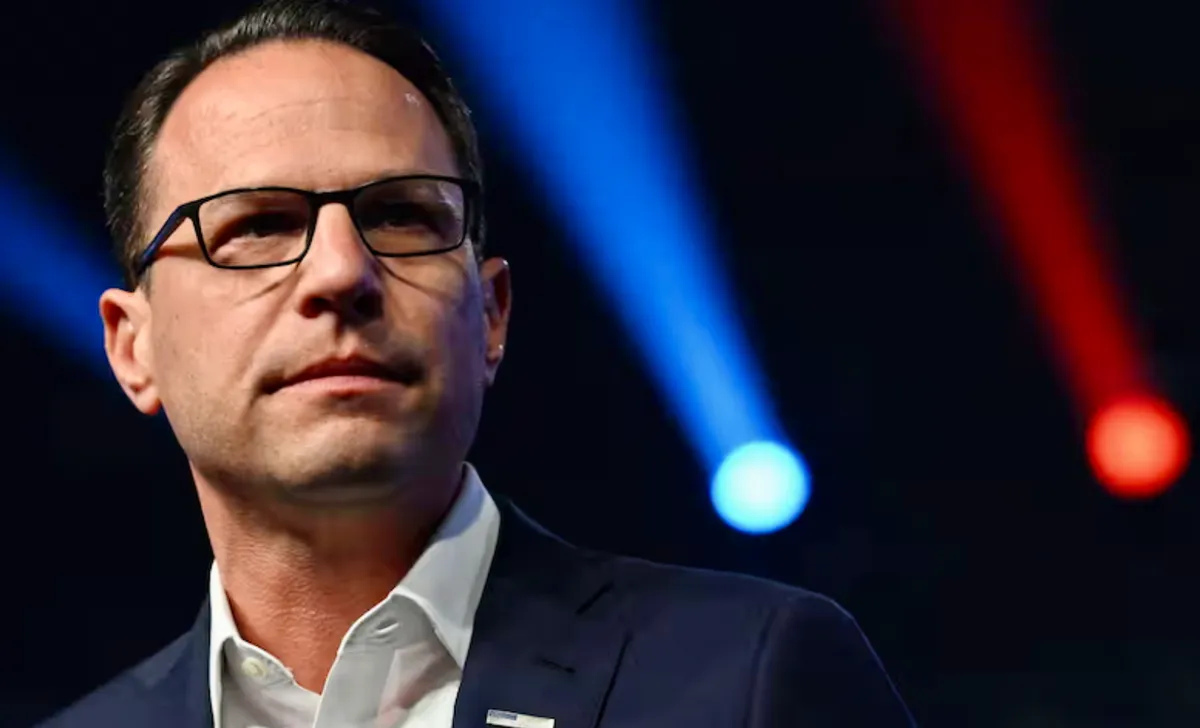
Josh Shapiro, the 48th governor of Pennsylvania, took office in January 2023, heralding a new era for the state as he focuses on pivotal issues affecting residents. In an increasingly polarized political environment, Shapiro’s centrist approach aims to unite constituents and address the myriad challenges facing Pennsylvania.
Background and Rise to Governorship
Before his governorship, Josh Shapiro served as the Attorney General of Pennsylvania, where he earned a reputation for taking on corporate fraud and advocating for consumer protection. His tenure was marked by significant legal victories such as consumer advocacy for student loan borrowers and initiatives to combat opioid overdoses. His ability to engage with various stakeholders, including community groups and law enforcement, has set a precedent for his governance style.
Key Initiatives as Governor
One of Shapiro’s primary focuses has been on improving public education. He has proposed increased funding for schools, aiming to close the educational equity gap across the state. Additionally, he has prioritized workforce development, aiming to support Pennsylvania’s economy by enhancing vocational training programs and investing in new technologies.
Moreover, Shapiro has made strides in healthcare access, emphasizing mental health services. He plans to implement policies ensuring that mental health resources are available and accessible, particularly in rural areas, where care is often lacking. Environmental initiatives are also on his agenda, as he pushes for legislation aimed at combatting climate change and promoting renewable energy sources.
Political Climate and Challenges
While Shapiro’s policies resonate with many, he faces challenges ahead. The Republican-controlled legislature presents hurdles, particularly regarding budget approvals for his ambitious education and healthcare reform plans. However, his track record as a bipartisan leader could help in negotiating essential legislation.
Conclusion
As Josh Shapiro settles into his role as governor, the effectiveness of his proposed initiatives will have widespread consequences not only for Pennsylvania’s residents but also for the state’s political landscape. Should he succeed in uniting differing factions and implementing impactful policy changes, it could set a model for governance in other states facing similar divides. The coming months will be crucial in determining his legacy and the future direction of Pennsylvania under his leadership.