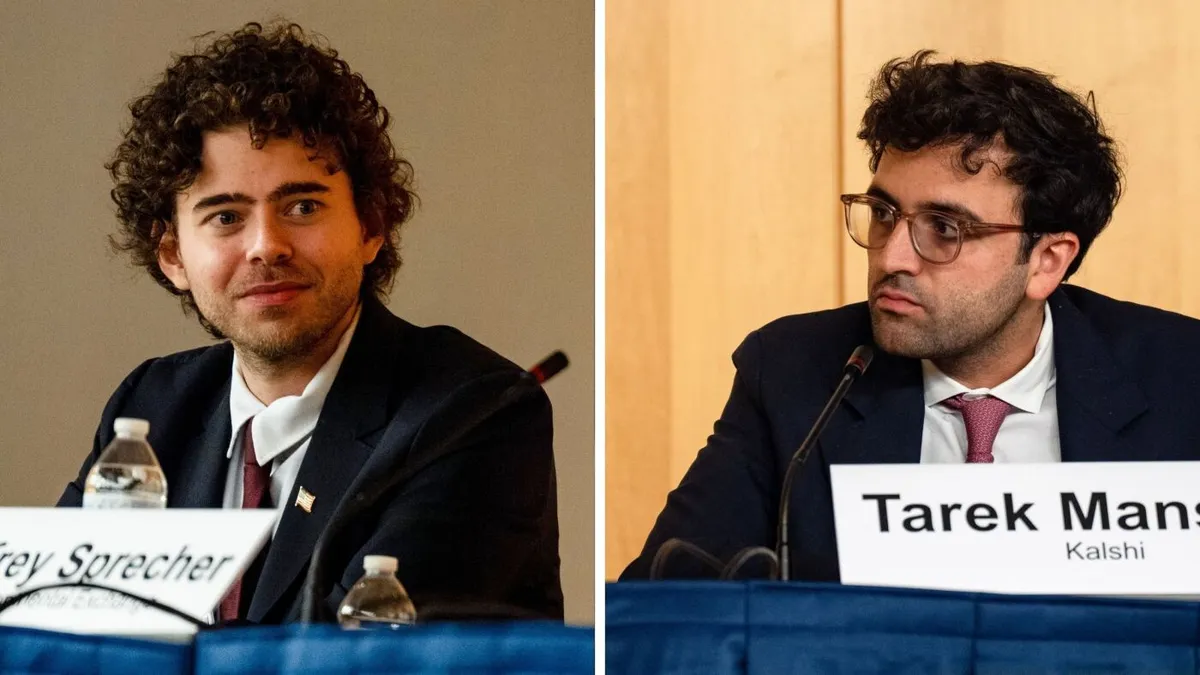
The prediction market industry is experiencing a boom, with significant growth in user engagement and transaction volume. Kalshi, a New York-based prediction market platform, is at the forefront of this trend, allowing users to trade contracts based on the likely outcomes of various events. With monthly transactions reaching approximately 13 billion, the platform has become a significant player in the market.
Legal Challenges for Kalshi
However, Kalshi is now facing legal scrutiny as Michigan Attorney General Dana Nessel has filed a lawsuit against the company, alleging that it is engaging in illegal sports betting. This lawsuit raises questions about the regulatory landscape for prediction markets, which have been growing rapidly but remain under close watch by authorities.
Industry Context and Competition
Kalshi’s legal troubles come amid a feud with competitor Polymarket, which has faced its own challenges, including an FBI raid related to its operations. Both companies are vying for dominance in the prediction market space, with pending trademark applications for ‘the world’s largest prediction market.’ Kalshi is regulated by the Commodity Futures Trading Commission (CFTC), which adds another layer of complexity to its operations.
Statements from Key Figures
In response to the lawsuit, Kalshi’s CEO, Tarek Mansour, expressed a commitment to regulation, stating, “We will literally go to the federal government and subject ourselves and say, ‘We want to get regulated, and we’ll bang our head against the wall until you regulate us.'” This statement underscores Kalshi’s desire to differentiate itself from Polymarket, which has been described as more willing to push the envelope in terms of regulatory compliance.
Reactions from the Industry
Industry observers have noted that the lawsuit could have significant implications for the future of prediction markets in Michigan and beyond. Michael Meredith, a legal expert, commented, “This is sports wagering. If it looks like a duck and quacks like a duck, it’s probably sports wagering, in this situation.” This perspective suggests that the legal definitions surrounding prediction markets may need to evolve as the industry continues to grow.
Future Implications
As the situation develops, both Kalshi and Polymarket will likely continue to face scrutiny from regulators and legal authorities. The outcome of the lawsuit could set a precedent for how prediction markets are regulated in the future. With billions in bets logged weekly, the stakes are high for both companies, as well as for state revenues, which are estimated to have lost 570 million due to unregulated prediction markets.
As Kalshi navigates these legal challenges, the broader prediction market industry will be watching closely. The outcome of the lawsuit filed by Dana Nessel may influence not only Kalshi’s operations but also the regulatory framework for prediction markets across the United States.