Introduction
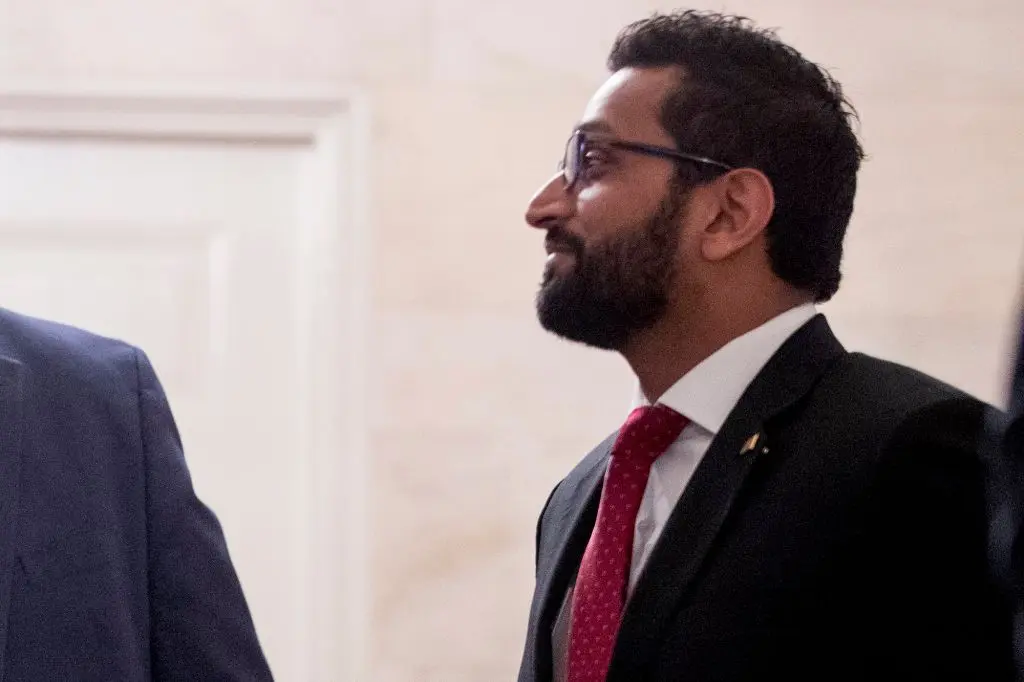
Kash Patel, a prominent figure in U.S. politics, has garnered increasing attention for his role in various political activities and controversies. As a former aide to Donald Trump and a national security expert, Patel’s influence within the Republican Party continues to grow, making him a key player in shaping the party’s future. Understanding his journey and its implications is essential for anyone following American politics.
Background and Career
Born in 1986, Kash Patel has a remarkable background in law and national security. After earning his degree from the University of California, Berkeley, Patel began his career in Washington, D.C., where he worked as a national security aide. His big break came when he was appointed as a senior deputy to the Chief of Staff at the National Security Council during the Trump administration.
Patel was a central figure in the controversial efforts to investigate allegations of Russian interference in the 2016 election. His loyalty to Trump and work during his presidency has shaped his public persona and political alliances.
Current Events and Activities
As of late 2023, Patel continues to exert influence within the GOP, particularly as the party gears up for the 2024 Presidential Election. Recently, he has focused on aligning the party’s messaging and strategies around issues that resonate with the Republican base, such as immigration and national security.
Moreover, Patel’s involvement in various political action committees and endorsements of certain candidates has stirred interest among party members and analysts alike. His recent speeches have highlighted a commitment to maintaining Trump’s policies while extending outreach to younger voters and minority communities.
Public Perception and Future Implications
Public perception of Kash Patel remains polarized; supporters view him as a principled defender of Trumpian ideals, while critics point to his involvement in unfounded conspiracy theories related to the 2020 election. As a result, Patel represents a larger trend within the GOP of embracing unorthodox strategies and narratives.
Looking ahead, Kash Patel could become a pivotal figure in the next election cycle, particularly in discussions surrounding the future direction of the Republican Party. His ability to connect with grassroots movements may either solidify his role as a leading conservative voice or lead to further divisions within the party.
Conclusion
Kash Patel’s ascent in the realm of U.S. politics is reflective of the changing dynamics within the Republican Party. As he continues to shape his narrative and influence forthcoming campaigns, the impacts of his actions will likely be felt well beyond the 2024 elections. For readers, staying informed about Patel’s moves can provide insightful perspectives on the evolving landscape of American political discourse.