Introduction
Kazakhstan, the world’s largest landlocked country, is emerging as a crucial player in Central Asia. Its strategic location, rich natural resources, and commitment to modernizing its economy make it a focus of attention for global investors and political analysts. As the country continues to transition toward a market-driven system, understanding its evolving landscape is essential for those interested in the future of Central Asia.
Geopolitical Significance
Bordering China and Russia, Kazakhstan holds a pivotal position in the geopolitical dynamics of Eurasia. Following the collapse of the Soviet Union, Kazakhstan declared independence in 1991 and has since been working to establish its identity as a sovereign state. The government has invested significantly in infrastructure and diversification of its economy to reduce dependency on oil and gas exports, promoting other sectors, such as agriculture and technology.
Economic Growth and Challenges
As of 2023, Kazakhstan’s economy has shown resilience, with an estimated growth rate of 3.5% despite global economic uncertainties. The country is rich in resources, particularly oil and natural gas, which contribute significantly to its GDP. However, the economy is still vulnerable to fluctuations in global energy prices. In response, the government initiated the “Kazakhstan 2050 Strategy,” aiming for sustainable economic growth through innovation and investment in human capital. Additionally, the implementation of various reforms to improve the business environment has attracted foreign investment, particularly from China and Western nations.
Cultural Heritage and Modernization
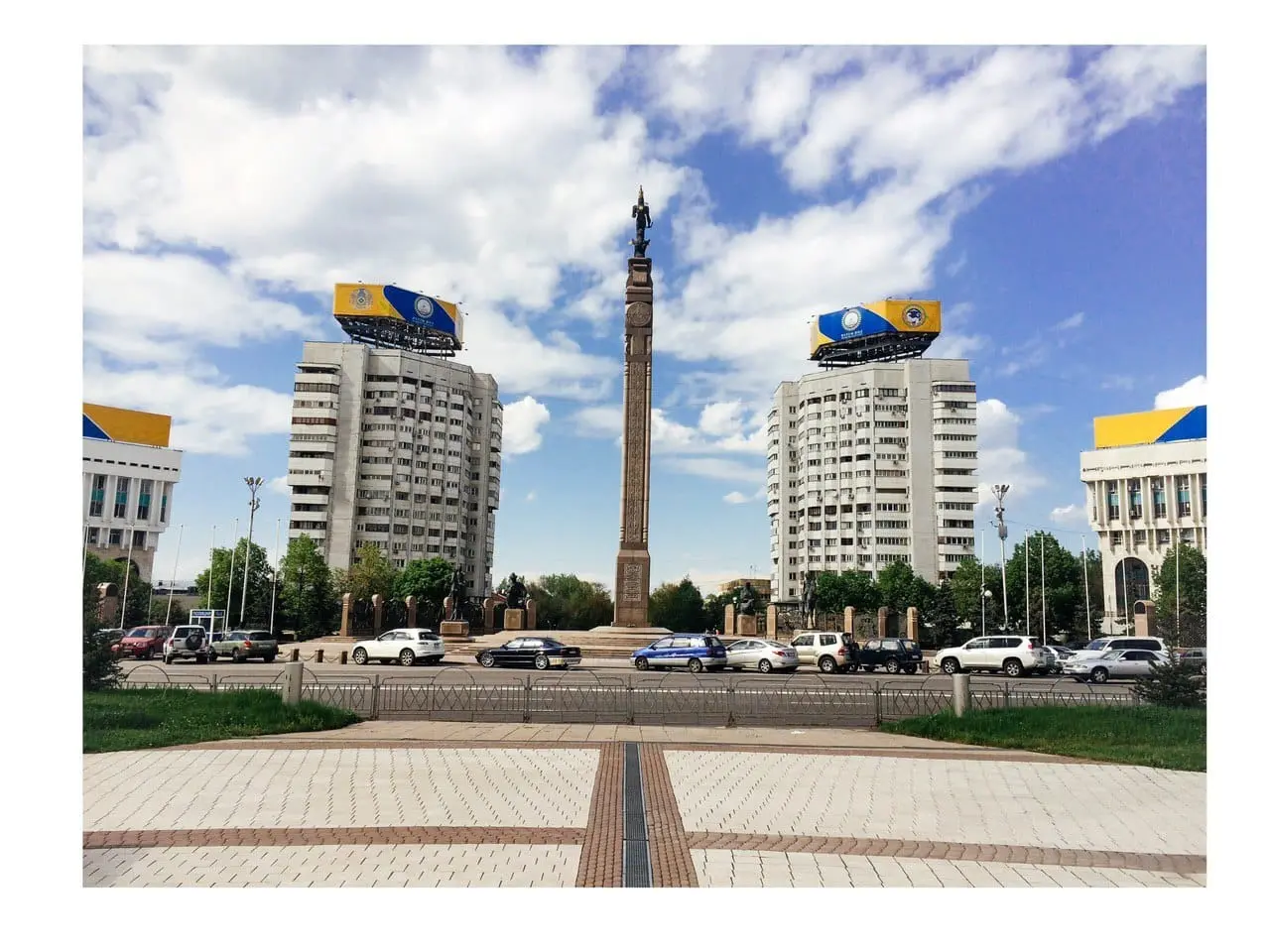
Kazakhstan boasts a diverse cultural heritage, with influences from various ethnic groups, including Kazakhs, Russians, Uighurs, and others. The nation’s rich traditions are reflected in its music, dance, and art. Astana, the capital city, has been transformed into a symbol of modernity with futuristic architecture and significant international events, including the EXPO 2017. The government aims to promote tourism as part of its economic diversification efforts, showcasing the country’s natural beauty and cultural sites.
Conclusion
As Kazakhstan navigates the complexities of the modern world, its strategic location, economic potential, and rich culture position it as a key player in Central Asia’s development. The country’s ability to adapt to challenges while leveraging its resources will be vital for its long-term growth. For investors and observers, Kazakhstan offers a compelling case study on emerging markets and the evolution of post-Soviet states.