Introduction
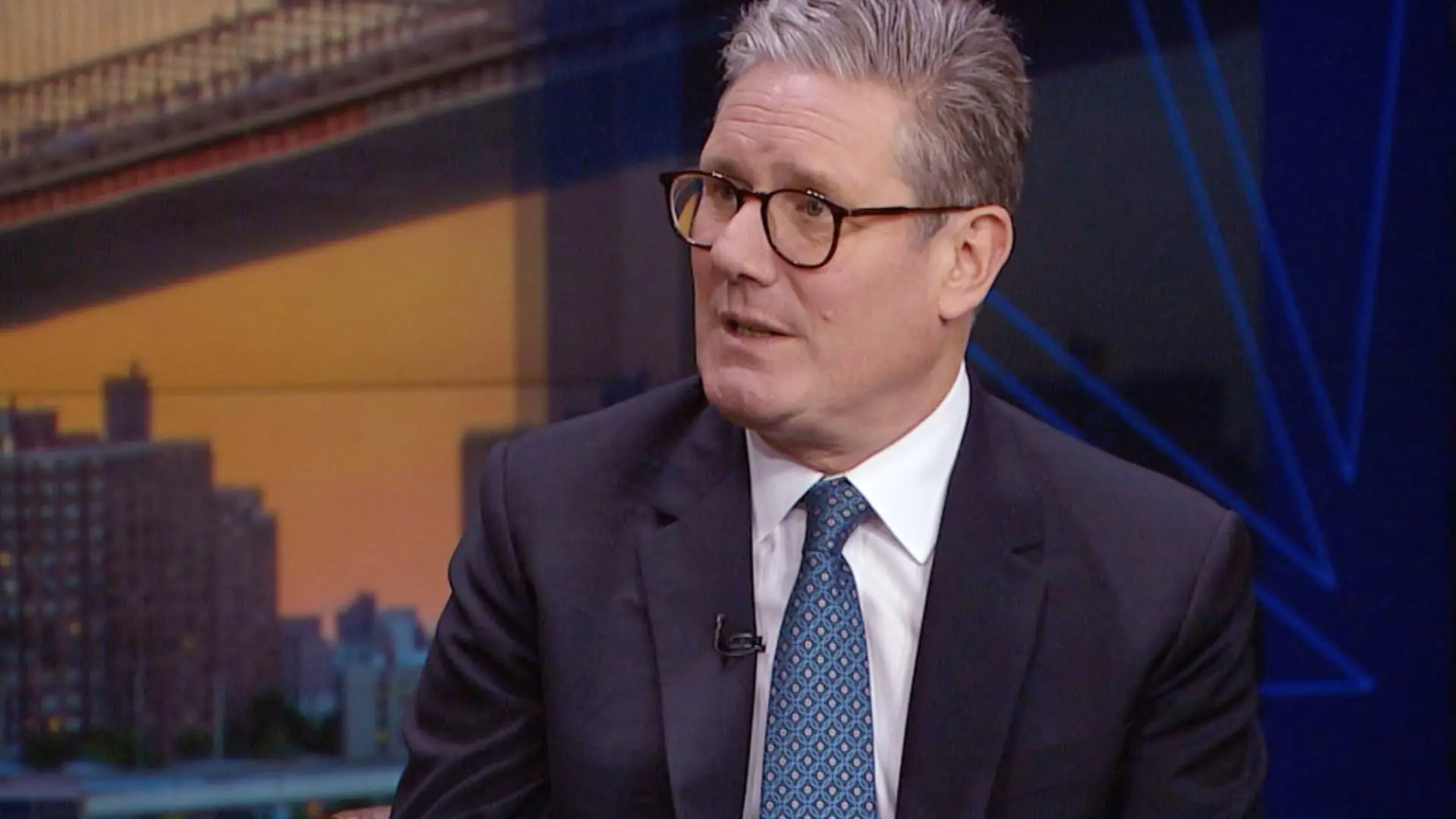
Keir Starmer, elected as the leader of the UK Labour Party in April 2020, has been at the forefront of British politics during a time of significant change. His leadership is particularly crucial as the country navigates economic challenges and public dissatisfaction with the current government. Understanding Starmer’s strategies and stance in the political arena is essential for voters and observers alike.
Starmer’s Current Challenges
Since taking office, Starmer has focused on reinvigorating the Labour Party’s image and restoring public trust. His tenure has not been without obstacles, including internal party conflicts and external pressures from a Conservative government facing criticism over its handling of various issues such as the economy, healthcare, and social equity. In recent months, Starmer has taken a strong stance on cost-of-living crises, advocating for policies that support low-income households and calling for fair wage increases in the workforce.
Recent Developments
In recent weeks, Starmer has been vocal about the Labour Party’s approach to the upcoming general election, expected sometime in 2024. He has emphasized the need for unity within the party, addressing previous divisions that arose during Jeremy Corbyn’s leadership. Starmer’s commitment to a more centrist platform seeks to attract a broader voter base while addressing the party’s traditional values of social justice and equality.
Moreover, Starmer’s leadership style is marked by his cautious and strategic approach to policy-making. His policies, such as expanding renewable energy initiatives and enhancing public services, aim to respond to the pressing challenges of climate change and public health.
Public Perception and Future Forecast
Polls suggest a gradual increase in Starmer’s approval ratings, indicating a potential shift in public sentiment toward Labour as a viable alternative to the Conservatives. However, as the political landscape remains volatile, public support for Starmer will depend on his ability to effectively communicate his vision and policies that resonate with everyday voters.
Conclusion
Keir Starmer’s leadership is pivotal in shaping the future of the Labour Party and the broader political discourse in the UK. As the next election approaches, his ability to unify the party while articulating clear and compelling policies will be critical. Observers will need to monitor Starmer’s responses to ongoing challenges and the evolving dynamics of UK politics as they assess the potential for Labour’s resurgence in the next electoral cycle.