Who is involved
The Kennedy Center for the Performing Arts, a prominent cultural institution in Washington, D.C., has faced a tumultuous period marked by leadership changes and financial challenges. Prior to the recent developments, Richard Grenell served as the president of the Kennedy Center for just over a year, during which the institution experienced declining ticket sales and artist withdrawals. The National Symphony Orchestra, which calls the Kennedy Center home, has also been affected, with its Executive Director, Jean Davidson, announcing her departure.
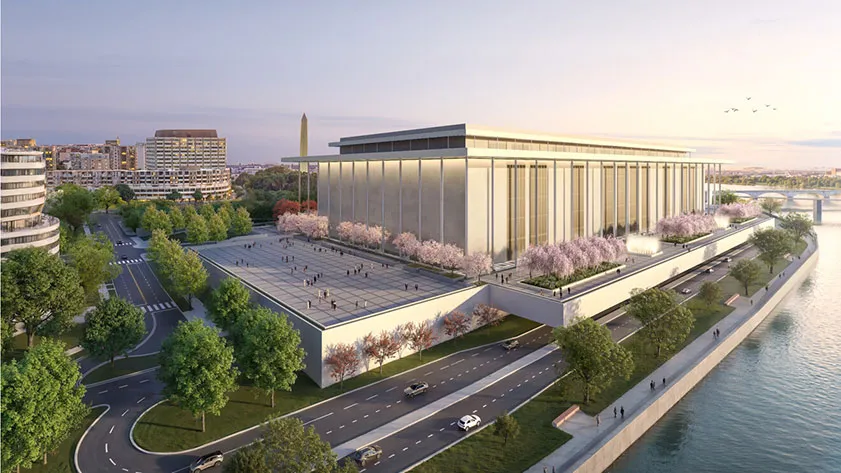
In a decisive shift, Grenell is set to leave his position, with Matt Floca poised to succeed him pending board approval. This leadership transition comes at a critical time as President Donald Trump has announced plans to close the Kennedy Center in July for a two-year reconstruction project. This closure raises questions about the future operations of the center and its ability to attract audiences and artists during and after the renovation.
Trump has claimed that the Kennedy Center was on the verge of collapse before his administration took control, asserting that it has raised more than $130 million in the past year. However, the center’s recent annual Honors event saw lower television viewership compared to previous broadcasts, indicating potential challenges in maintaining public interest. The management of the Kennedy Center has faced criticism, particularly from Senator Sheldon Whitehouse, who highlighted issues such as the stripping of voting rights from ex officio Trustees, which he described as a violation of the law.
As the Kennedy Center prepares for its reconstruction, the implications for the National Symphony Orchestra and the broader arts community in Washington, D.C., are significant. The orchestra’s leadership changes, coupled with the center’s financial mismanagement allegations during Trump’s tenure, create an uncertain environment for artists and patrons alike. The upcoming reconstruction project is expected to reshape the venue, but the extent of its impact on the center’s reputation and financial stability remains to be seen.
Experts in arts management suggest that the Kennedy Center’s challenges reflect broader trends in the performing arts sector, where institutions are grappling with changing audience demographics and expectations. The decline in ticket sales and artist withdrawals during Grenell’s presidency may indicate a need for a strategic reevaluation of the center’s programming and outreach efforts.
Trump’s comments about the Kennedy Center, including his reference to it as the ‘Trump Kennedy Center,’ have sparked controversy, as this designation contradicts the law that established the memorial. The focus on fundraising achievements, while significant, does not fully address the underlying issues of audience engagement and institutional governance that have plagued the center.
As the Kennedy Center embarks on this new chapter, the arts community will be watching closely to see how these leadership changes and the reconstruction project will influence its future. The outcome of Matt Floca’s presidency and the success of the renovation will be pivotal in determining the center’s trajectory in the coming years. Details remain unconfirmed regarding the specific plans for the reconstruction and how it will affect the center’s operations during the closure.