Introduction
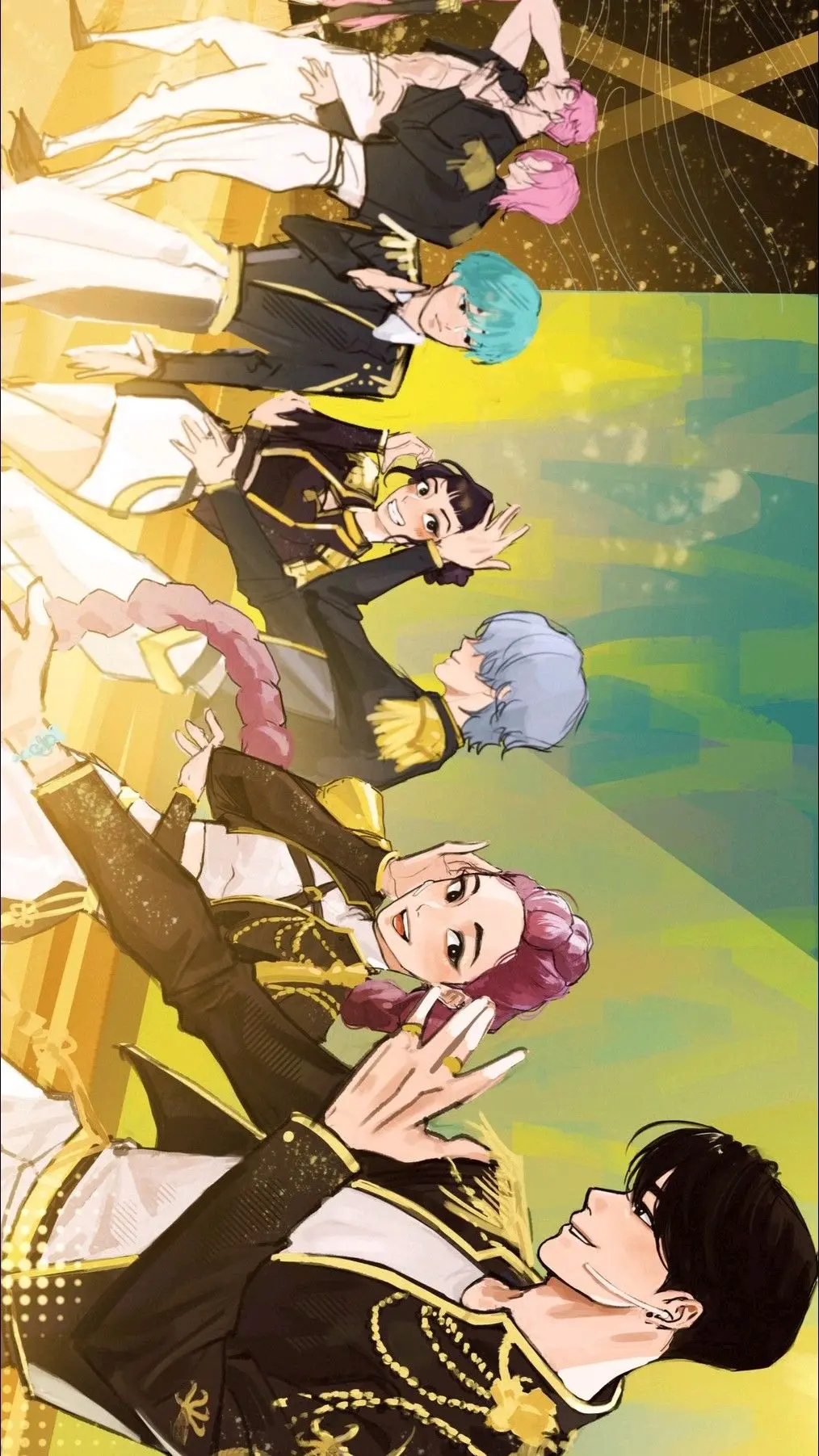
The phenomenon of Kpop has taken the world by storm, combining catchy tunes and intricate choreography with visually stunning aesthetics. Recently, a new trend has emerged within this vibrant genre—Kpop demon hunters. This unique combination of musical artistry and fantastical storytelling is shaking up the Kpop scene and resonating with fans globally. The hybrid of demon hunting elements within music videos and performances raises intriguing questions about cultural representations and artistic creativity in Kpop.
The Emergence of Kpop Demon Hunters
Demon hunter themes have seen a surge in popularity in Kpop, likely influenced by global fandoms’ penchant for fantasy and supernatural elements. Groups like BTS, Stray Kids, and (G)I-DLE have begun incorporating this aesthetic into their work, evident in their music videos and choreography. The concept often draws from traditional mythologies and folklore while providing a modern twist, positioning these artists as heroes fighting against adversities represented by demons.
Notable Examples
For instance, the music video for Stray Kids’ latest release features visuals of members battling against shadowy figures, clad in outfits inspired by mythology. Similarly, (G)I-DLE’s latest concept includes narrative threads of empowerment and confrontations with darker forces, symbolizing struggles young people face today. The use of dramatic storytelling, combined with electrifying beats, creates a unique experience that fans can visualize and emotionally connect with.
Fan Engagement and Cultural Impact
The introduction of demon hunting concepts has not only redefined stage performances but also fostered a deeper engagement with fans. Kpop fandoms have taken to social media platforms to create fan art, theories, and discussions around these narratives, further amplifying the appeal. The cross-cultural dialogue generated through these themes encourages fans to explore and appreciate elements from various mythologies, thus broadening their understanding of global cultures.
Conclusion
As Kpop continues to evolve, the integration of fantastical themes like demon hunting is set to grow even further. This trend exemplifies how music can blend with storytelling to reflect societal challenges and empower listeners. With more groups exploring similar concepts, expectations are high for how these themes will shape the future of Kpop, offering fans fresh narratives and artistic expressions to enjoy. As the genre expands, it is crucial for artists and listeners alike to navigate the cultural implications and celebrate the creativity that comes with this unique hybrid.