Introduction
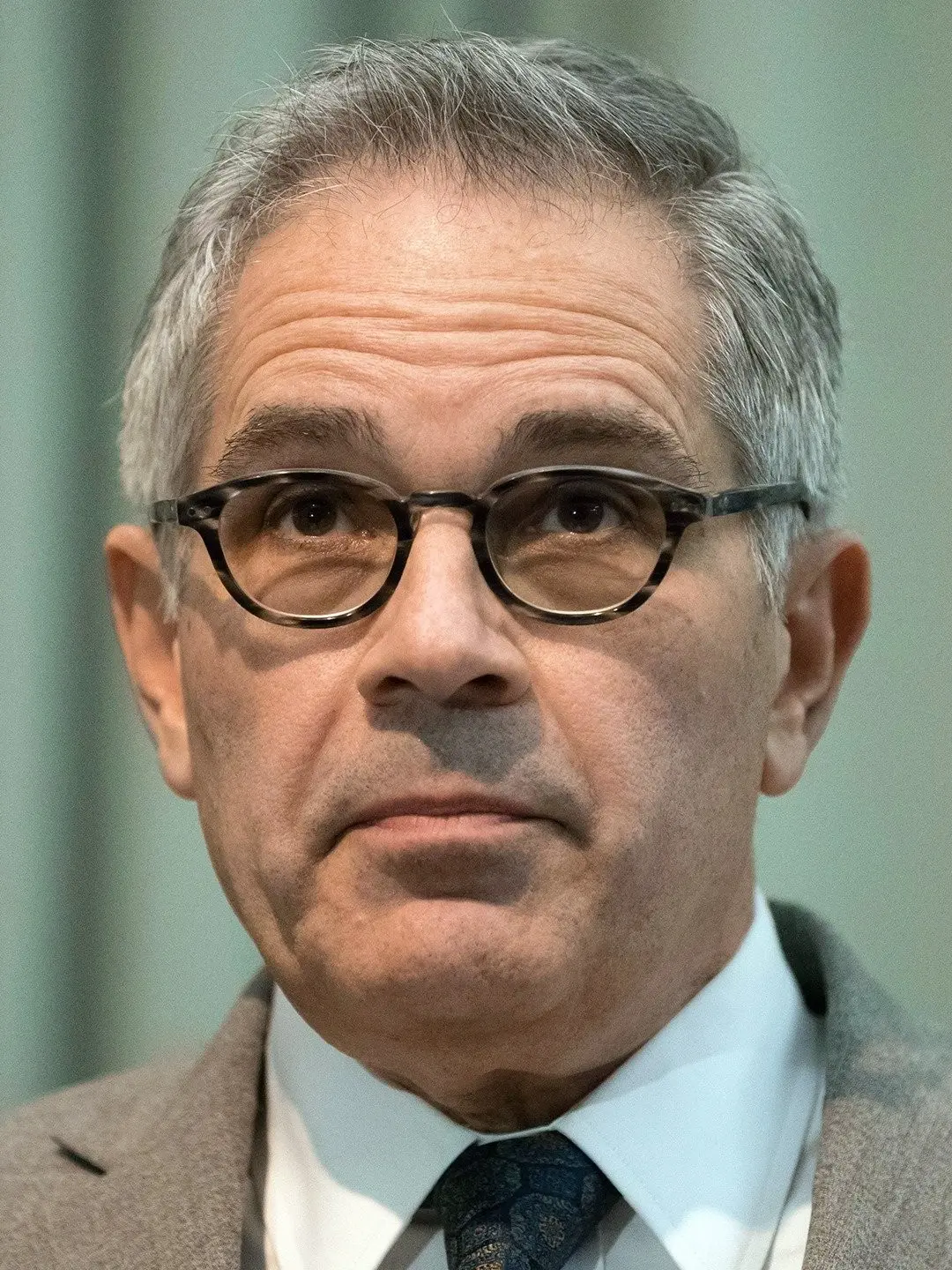
Larry Krasner, the District Attorney of Philadelphia, has been a pivotal figure in transforming the city’s criminal justice landscape. Elected in 2017, Krasner, a former public defender, has focused on progressive reforms, emphasizing the importance of decarceration, equity, and public safety. In an era where systemic changes are more critical than ever, Krasner’s approaches reflect a growing movement in the U.S. towards reforming traditional law enforcement policies.
Progressive Reforms and Achievements
Since taking office, Krasner has implemented numerous policies aimed at reducing incarceration rates and addressing racial disparities in the criminal justice system. A key initiative has been the establishment of the Philadelphia District Attorney’s Office’s Conviction Integrity Unit, which works to rectify wrongful convictions. Under his leadership, the office has also pursued non-violent offenses more leniently, opting for alternatives to incarceration whenever possible.
In recent reports, Krasner’s office revealed a significant drop in the number of people charged with non-violent offenses, showcasing the early impact of his policies. Data from 2022 showed that over 40% fewer people were incarcerated for low-level criminal offenses compared to previous years, indicating a shift towards rehabilitation rather than punishment.
Controversies Surrounding Krasner
However, Krasner’s tenure has not been without controversy. Critics argue that his policies have led to increases in violent crime rates, particularly in the wake of the COVID-19 pandemic. Philadelphia has witnessed spikes in gun violence that have led some opponents to question whether Krasner’s emphasis on progressive reforms is compromising public safety. This criticism has intensified during the 2023 election cycle, as Krasner faces formidable opposition from candidates who advocate for more traditional law enforcement approaches.
Conclusion
As Philadelphia heads toward the upcoming elections, Larry Krasner remains a lightning rod for discussions on justice reform. His approach challenges the status quo, making him a symbol of the changing narrative around criminal justice in the U.S. Looking forward, how Krasner navigates the balance between reform and public safety will not only determine his political future but may also influence broader trends in criminal justice reform across the nation. As debates continue, the significance of Krasner’s work cannot be overstated, as it reflects a critical juncture for America’s justice system.