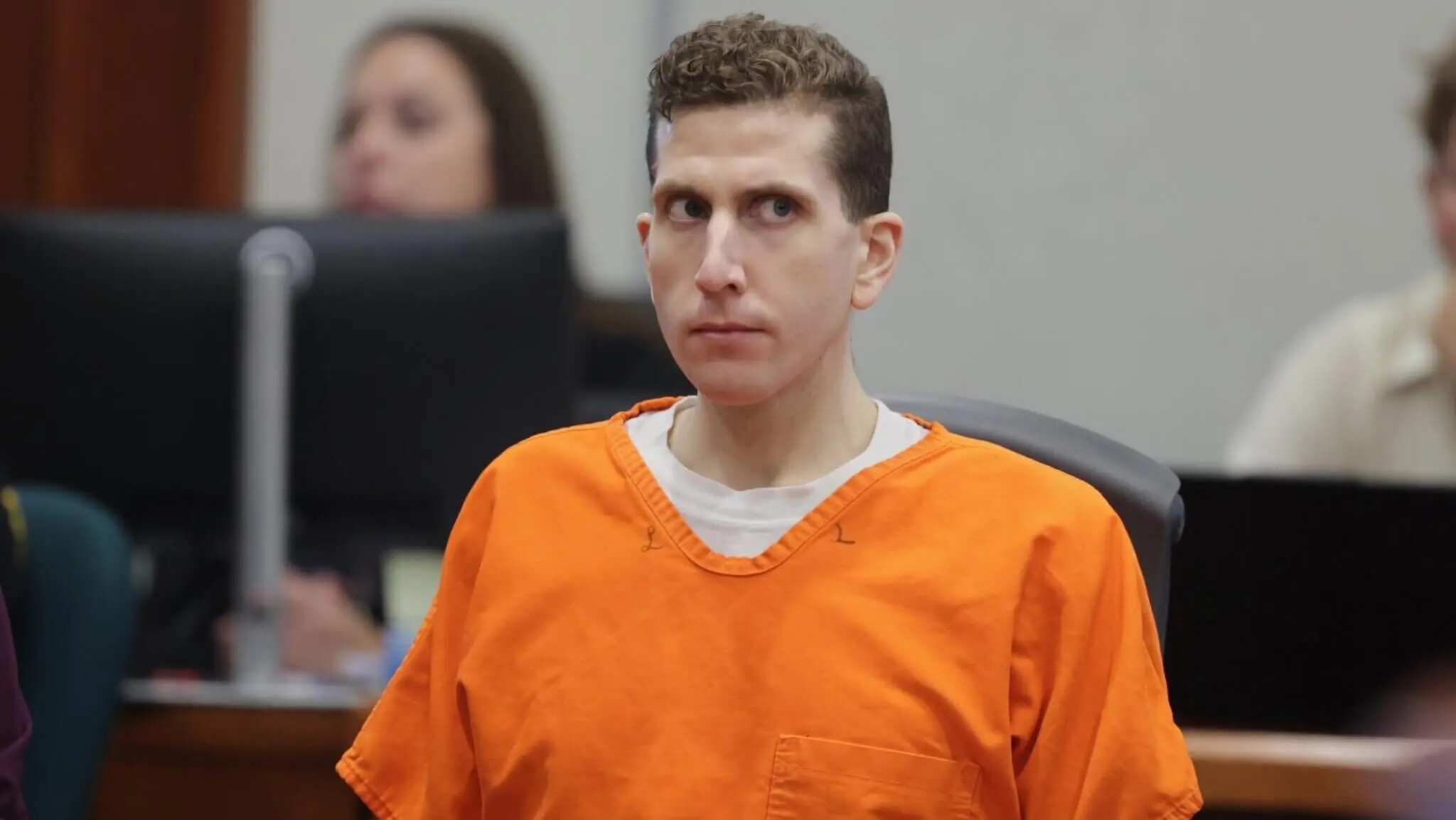
Introduction to the Bryan Kohberger Case
The case of Bryan Kohberger, accused of the brutal murder of four University of Idaho students, has captured national attention due to its chilling details and implications for community safety. Kohberger was apprehended in December 2022, leading to widespread media coverage and public interest. As the legal proceedings unfold, the case raises pertinent questions regarding crime, justice, and the criminal justice system.
Background of the Incident
The tragic incident occurred in the early hours of November 13, 2022, when four students—Ethan Chapin, Kaylee Goncalves, Xana Kernodle, and Madison Mogen—were found dead in an off-campus home in Moscow, Idaho. The shocking nature of the crime left the community in fear and uncertainty, as law enforcement worked tirelessly to gather evidence and leads. Kohberger, identified as a criminal justice PhD student with a history of interest in criminal psychology, was eventually linked to the crime scene through DNA evidence.
Recent Developments
Since Kohberger’s arrest, significant legal maneuvers have taken place. In June 2023, Kohberger appeared in court, where he pleaded not guilty to the charges against him, including four counts of first-degree murder and one count of burglary. The prosecution has indicated that they will seek the death penalty, a decision that could affect the unfolding of the trial. Motions filed by the defense have also included appeals for the dismissal of certain evidence, contributing to a complex pre-trial phase.
Implications of the Case
This high-profile case has drawn attention from across the United States, spotlighting various societal issues, including campus safety, mental health, and crime prevention. The psychological profile of Kohberger has led to discussions on the motivations behind such violent acts, emphasizing the need for better understanding and intervention strategies in similar future incidents. Families of the victims have expressed their grief and the importance of justice being served, while the community remains on high alert, grappling with the realities of such heinous acts in their vicinity.
Conclusion
The Bryan Kohberger case highlights not only the complexities of the legal system but also the broader societal impact of violent crime. As the trial date approaches, expected in early 2024, the nation watches closely, hoping for a resolution that brings closure to the victims’ families and restores a sense of safety to the community. The continuing coverage of this case will likely stimulate further discourse on the intersections of law, psychology, and crime prevention efforts.