Lindsey Graham’s Influence on U.S. Military Action in Iran
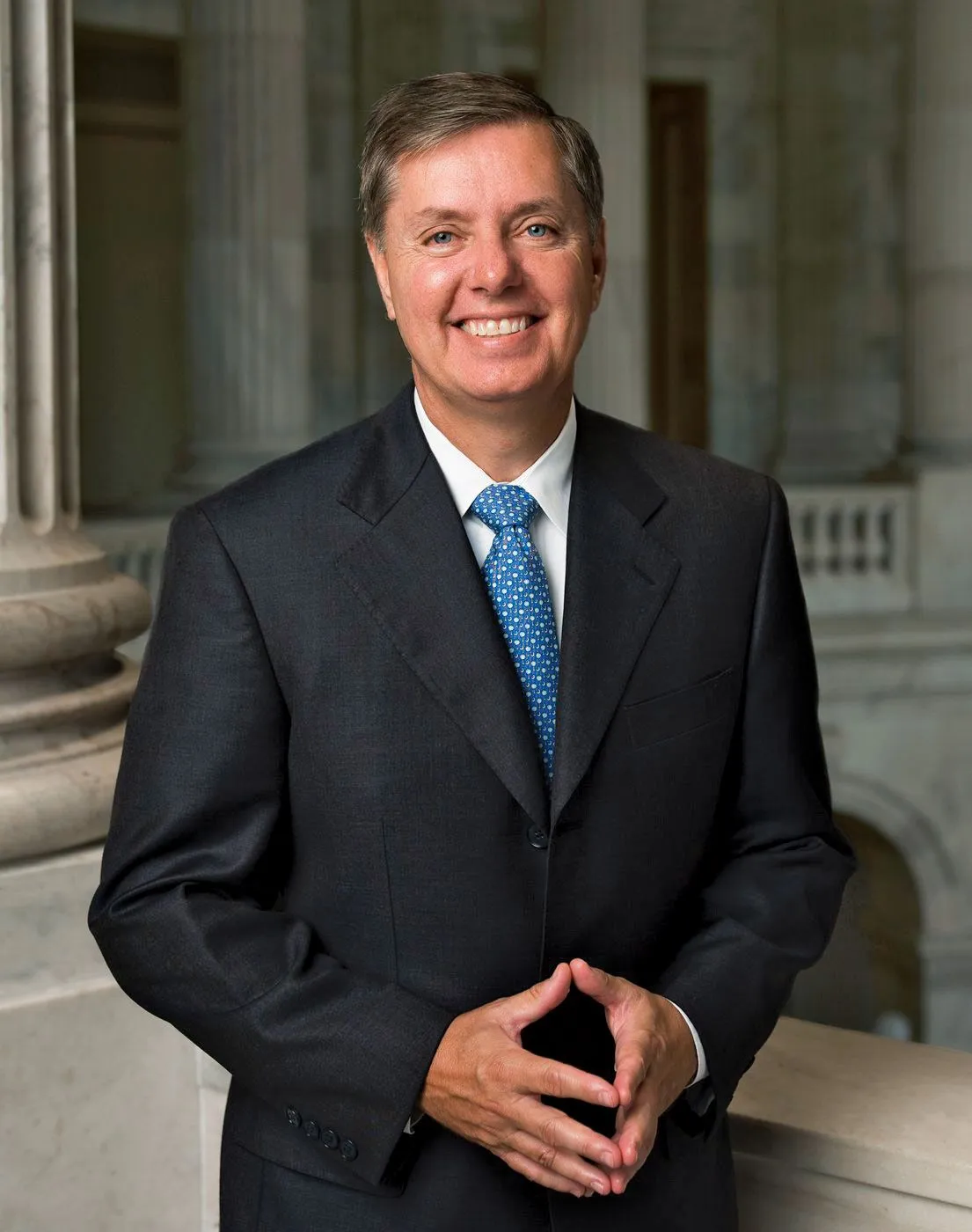
On February 28, 2026, U.S. and Israeli forces launched Operation Epic Fury, targeting Iranian military installations as tensions in the region escalated. This military action has been significantly influenced by Senator Lindsey Graham, who has been vocal about the need for a strong stance against Iran, labeling its leaders as “religious Nazis” and warning against any diplomatic engagement.
Graham, a senator for nearly two decades, has played a crucial role in shaping President Donald Trump’s military decisions regarding Iran. His aggressive rhetoric has drawn both support and criticism, with some observers questioning the wisdom of his approach. As the conflict unfolds, reports indicate that at least 1,230 deaths have occurred in Iran, alongside nearly 400 in Lebanon and at least 11 in Israel. The toll on U.S. forces has also been significant, with seven service members reported dead.
In a recent statement, Graham assured the public that there would be “no American boots on the ground” in Iran, emphasizing that the current military strategy differs from past engagements in Iraq. This declaration aims to alleviate concerns about a prolonged U.S. military presence in the region, although the situation remains fluid and complex.
Critics of Graham’s stance, including former White House Communications Director Anthony Scaramucci, have expressed alarm over his rhetoric. Scaramucci remarked, “Lindsey Graham. What are you doing? You sound unhinged. You are embarrassing yourself and you are embarrassing this country.” Such comments highlight the divisive nature of Graham’s influence on U.S. foreign policy.
Graham’s long tenure in Congress has allowed him to build extensive relationships and accumulate institutional knowledge, which he leverages to advocate for military action. His perspective is shaped by a belief that the future of Iran should be determined by its people, a sentiment he has expressed in various forums.
As the conflict continues, the implications of the military actions remain uncertain. Observers are keenly watching the developments, particularly regarding the potential for a draft to be reinstated, which has not been ruled out. The exact outcomes of these military operations and their long-term effects on Iran and the broader region are still unclear.
Details remain unconfirmed, but the situation is evolving rapidly, with Graham’s influence likely to remain a focal point in discussions about U.S. military strategy in the Middle East. The next two weeks, according to Graham, will be particularly challenging, as the consequences of the current military actions unfold.