Introduction
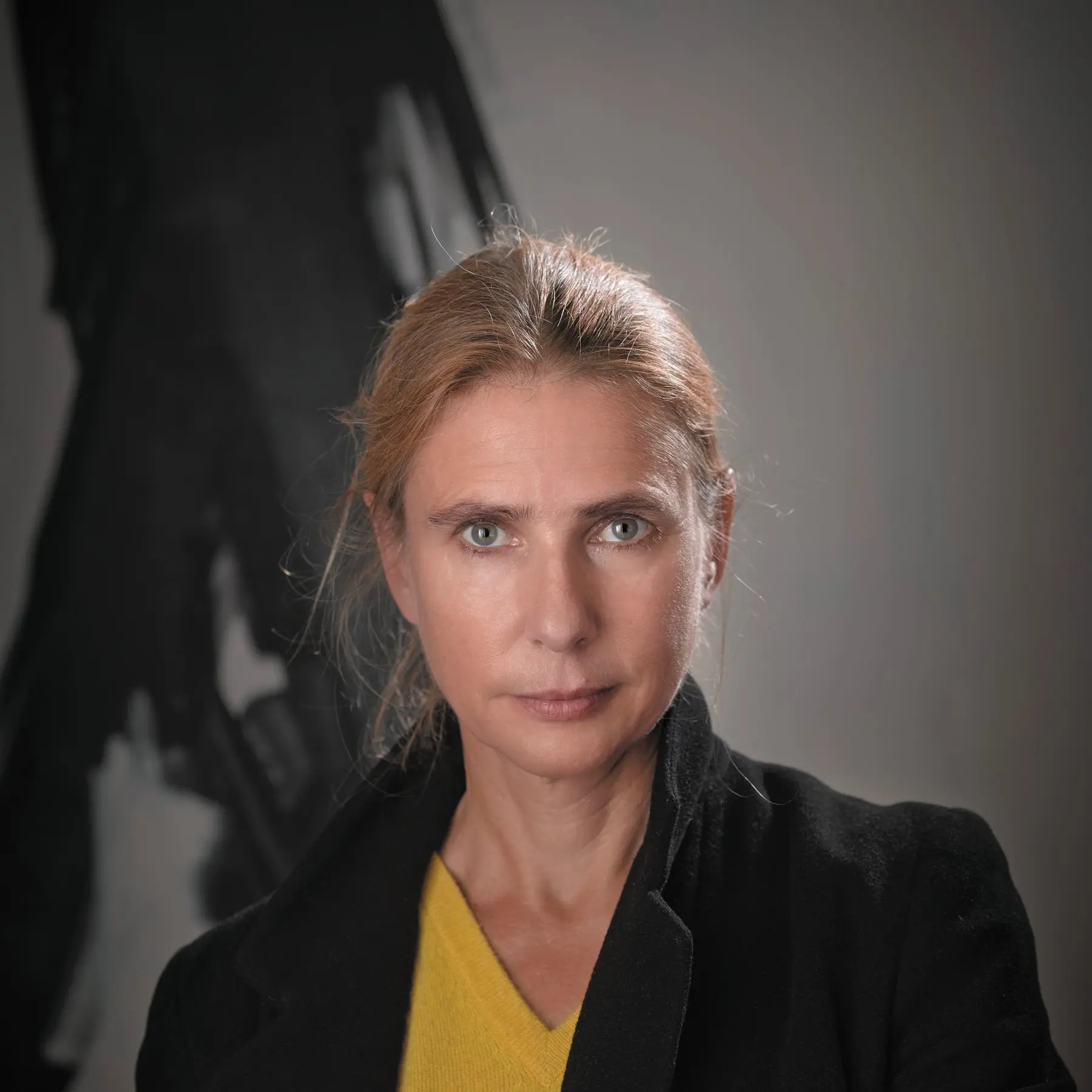
Lionel Shriver, a prominent American author, has garnered significant attention for her provocative storytelling and exploration of contemporary social issues through literature. Her works often challenge the status quo, making her an important figure in modern discussions about identity, gender, and societal norms. With recent events in the literary world highlighting the significance of diverse voices, Shriver’s insights remain particularly relevant.
Career Highlights
Born in 1957 in Gastonia, North Carolina, Shriver is perhaps best known for her 2003 novel, We Need to Talk About Kevin. This gripping psychological thriller tackles themes of motherhood, guilt, and societal expectations, propelling her into literary fame. The novel subsequently won the Orange Prize for Fiction and was adapted into a film starring Tilda Swinton.
In addition to her award-winning debut, Shriver has authored several notable works, including So Much for That, The Post-Birthday World, and Big Brother. Each of these novels showcases her unique perspective on complex characters and moral dilemmas, which resonate deeply with readers around the world.
Recent Developments and Themes
In 2022, Shriver released her latest novel, Should We Stay or Should We Go, which examines the complexities of aging and the choices that come with it. The book’s timely themes capture the ongoing global conversations about healthcare, autonomy, and the challenges faced by the elderly, making the narrative deeply relatable in today’s context.
Moreover, Shriver has been vocal about her views on political correctness in literature and the role of the author in society. In various essays and interviews, she emphasizes the importance of free expression, often stressing that literature should not shy away from uncomfortable truths. This stance has sparked debates within literary circles about the balance between sensitivity and authenticity in storytelling.
Conclusion
Lionel Shriver’s impact on modern literature is undeniable. Her ability to provoke thought and inspire discussion through her writing is a testament to her talent and commitment to exploring difficult topics. As societal issues evolve, Shriver’s voice continues to be significant, encouraging readers to engage critically with both her narratives and the world around them. Looking ahead, one can anticipate that Shriver will remain at the forefront of literary conversations and continue to challenge readers to reconsider preconceived notions through her works.