Introduction
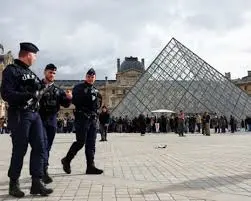
The recent heist at the Louvre Museum in Paris has the art world buzzing with shock and intrigue. Known for housing some of the most priceless artworks, the museum has become the focal point of an extensive investigation since the theft occurred three weeks ago. With significant cultural and financial implications, the swift identification and apprehension of suspects have captured global attention, highlighting the ongoing struggle against art crime.
Details of the Heist
On March 15, 2023, an audacious theft took place at the Louvre when a pair of intricately designed sculptures, valued at millions of euros, were stolen within minutes. The incident happened during peak tourist hours, raising concerns about the museum’s security measures. Eyewitness reports described a well-coordinated effort by the thieves, who managed to evade security personnel using distraction techniques.
Arrest of Suspects
Just last week, French authorities announced the arrest of three suspects linked to the heist. They are believed to be part of an organized crime group specializing in art theft. The suspects, aged between 25 and 35, were apprehended in a series of early morning raids across Paris and nearby suburbs. During these operations, police also recovered several stolen items and tools believed to be used in the heist.
The arrests follow a thorough investigation involving surveillance footage analysis and tips from the public. Authorities credited the public’s role in providing crucial information, which led to a breakthrough in the case. Police spokesperson, Chief Inspector Marceau Duval, stated, “Art crime poses a significant threat to cultural heritage, and we are determined to bring those responsible to justice.”
Investigative Challenges
Despite the arrests, investigators face challenges in retrieving the stolen artworks. The underground market for stolen art is notoriously difficult to infiltrate, and many stolen pieces are often lost in circulation. Experts warn that the stolen sculptures may already have changed hands or been altered to make them unrecognizable.
Conclusion
The Louvre heist has not only amplified discussions around museum security but also underscored the persistent issues of art crime. As the investigation continues, with legal proceedings expected in the coming weeks, the importance of preserving cultural artifacts in a secure environment becomes more evident. It remains to be seen how effective this latest round of arrests will be in recovering the stolen pieces, but the attention generated by this case could lead to stronger international cooperation in combating art theft. For those invested in the art world, the outcome serves as a reminder of the vulnerability of our shared cultural history.