Background on Marjorie Taylor Greene’s Resignation
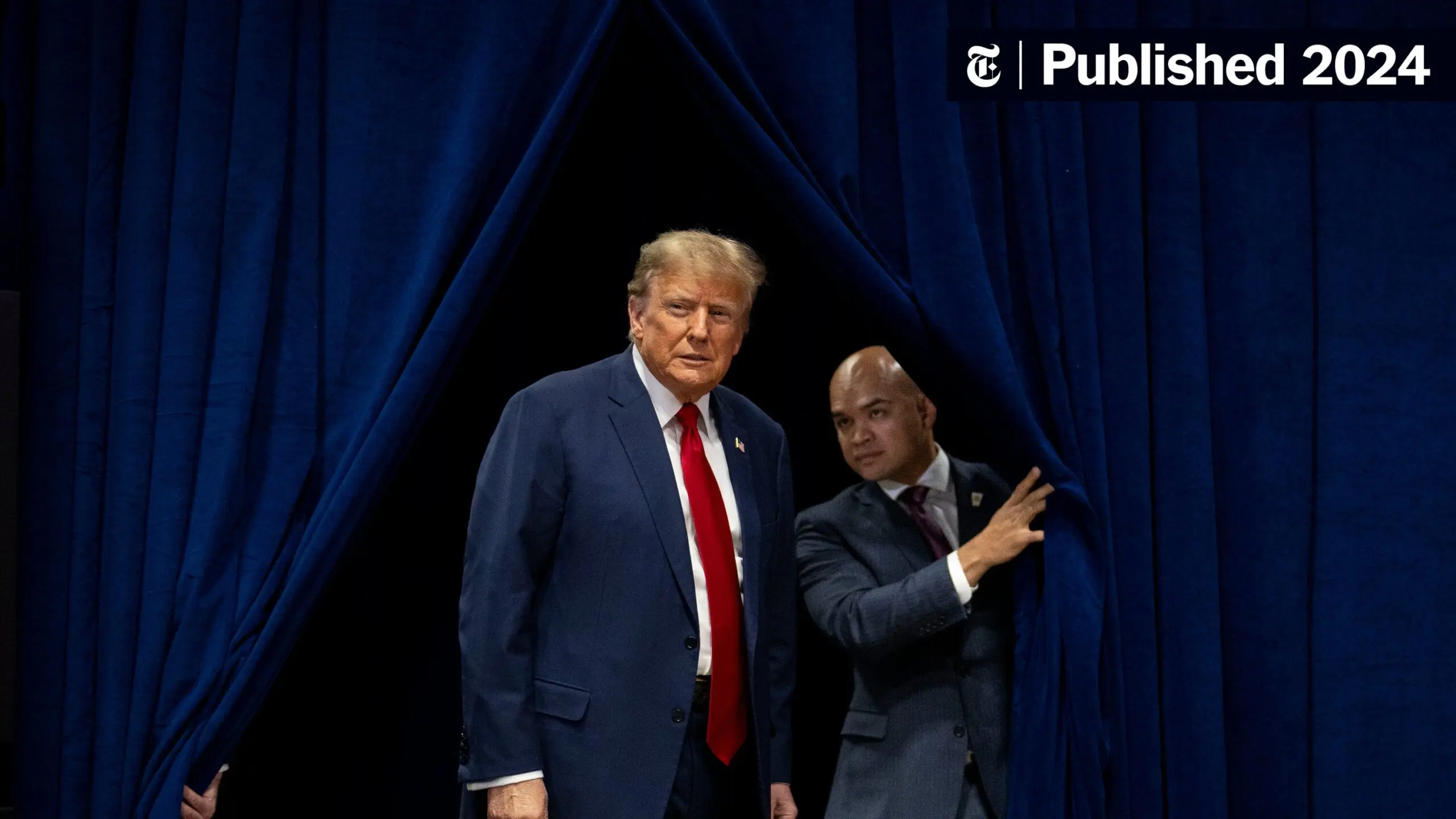
Marjorie Taylor Greene resigned in January following a public rift with President Donald Trump, leaving her seat in Georgia’s 14th Congressional District vacant. This unexpected development set the stage for a special election, drawing considerable attention from both local and national political circles.
Initial Expectations and Candidate Landscape
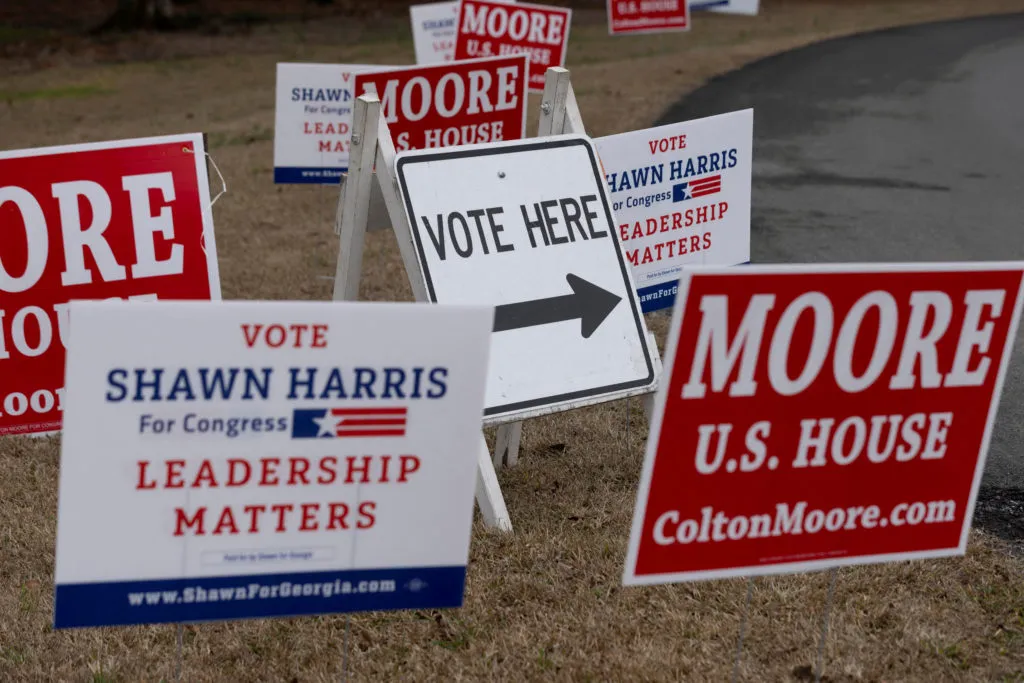
Before the election, there was an expectation that the Republican Party would maintain a stronghold in Greene’s district. Initially, 22 candidates filed to run for the vacant U.S. House seat, indicating a robust interest in the position. However, after several withdrawals, the number of active contenders was reduced to 17, highlighting the competitive nature of the race.
Decisive Moments and Immediate Changes
The special election has become a focal point for various political factions, particularly as the Republican Party holds a slender majority in the House. If a Democratic candidate were to secure a victory, it would significantly tighten the GOP’s margin. Polls are set to close at 7 p.m. ET on election day, with approximately 521,000 registered voters in the district, a substantial electorate that could influence the outcome.
Financial Dynamics of the Candidates
Among the candidates, Shawn Harris has emerged as a notable contender, raising about $4.3 million for the election, with approximately $290,000 remaining in his campaign bank as of February 18. In contrast, Clay Fuller, a state district attorney and a Trump-endorsed candidate, has raised about $787,000, with $238,000 in the bank. This financial disparity may play a crucial role in the candidates’ ability to reach voters and sway public opinion.
Past Election Performance
In the 2024 election, Shawn Harris received about 36% of the district vote against Greene, who garnered approximately 63%. This historical context provides insight into the challenges Harris faces as he seeks to capitalize on Greene’s departure and appeal to the electorate. The dynamics of the race have shifted, with Harris emphasizing economic concerns, stating, “The economy is very bad,” and highlighting the rising cost of living that voters are experiencing.
Expert Perspectives on the Shift
Political analysts note that Greene’s controversial reputation may have opened the door for candidates like Harris and Fuller to position themselves differently. Harris remarked, “I don’t care who it is, but when we do our analysis – because Marjorie Taylor Greene was so far out there – we don’t see the Republican party, Donald Trump or the local Republican party getting somebody that’s closer to the center.” This statement underscores the potential for a shift in voter sentiment as they seek a representative who aligns more closely with their views.
Looking Ahead
As the election approaches, the stakes are high for both parties. The outcome will not only determine Greene’s successor but also influence the broader political landscape in Congress. With the possibility of a runoff on April 7 if no candidate secures a majority, the candidates will need to mobilize their resources effectively to secure a spot in the next round.
Details remain unconfirmed regarding the final voter turnout and the impact of campaign strategies as the election date nears. The political ramifications of this special election will likely resonate beyond Georgia, reflecting the ongoing tensions within the Republican Party and the electorate’s evolving priorities.