Introduction
Mark Rutte, the Prime Minister of the Netherlands since 2010, has become a significant figure in European politics. His leadership style and policies have shaped Dutch society and influenced the European Union (EU) during challenging times. Rutte’s tenure has seen economic recovery, debates over immigration, and the impact of the COVID-19 pandemic, making his role increasingly relevant on the global stage.
Main Body
Rutte, born on February 14, 1967, in The Hague, started his political journey with the People’s Party for Freedom and Democracy (VVD). Known for his pragmatic approach, Rutte’s government has focused on economic liberalism, social policies, and maintaining a robust position in Europe. Under his leadership, the Netherlands has witnessed consistent economic growth, with GDP growth recorded at 3.9% in 2022, rebounding from the pandemic’s adverse effects.
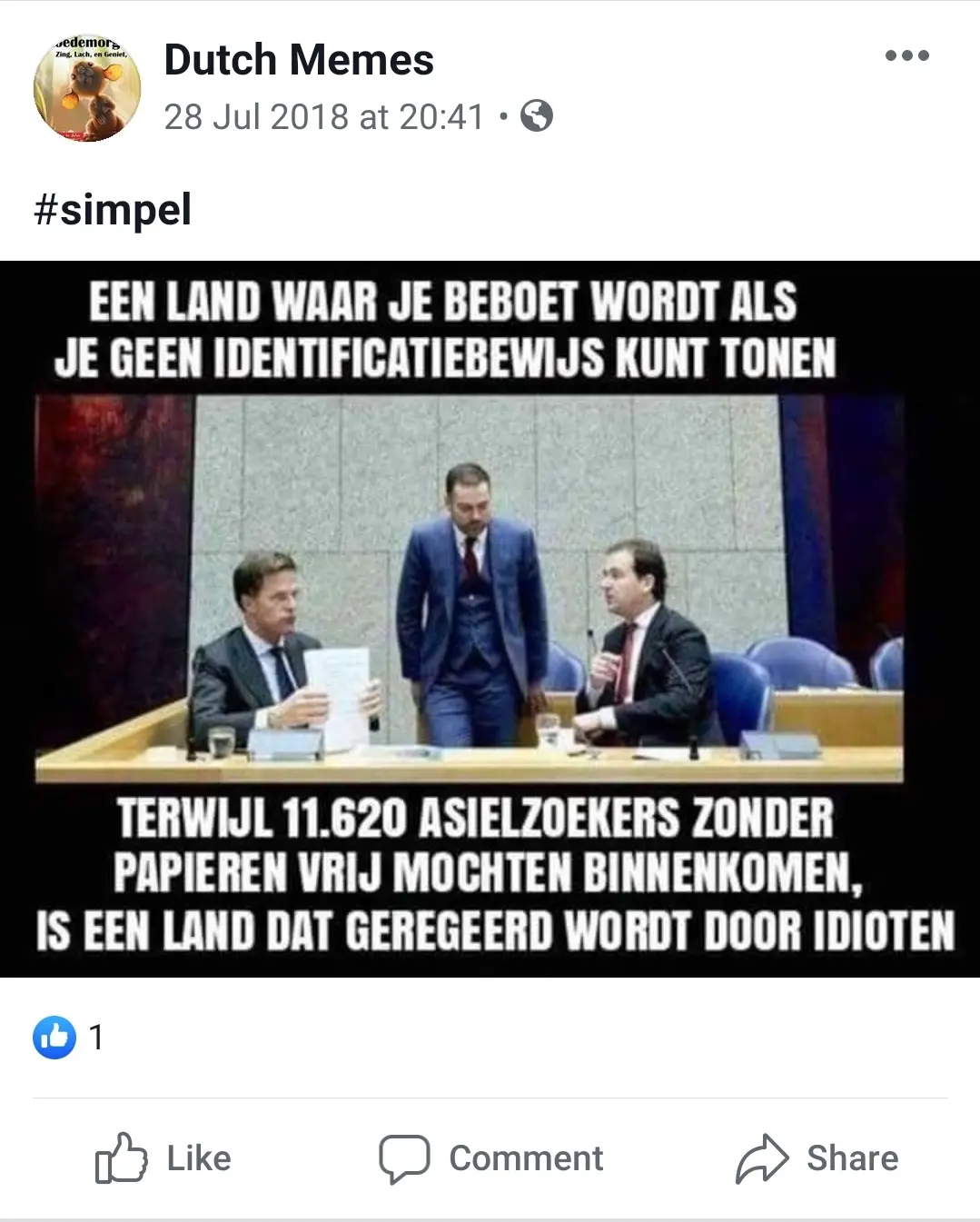
However, Rutte’s administration has faced numerous challenges, particularly regarding housing shortages and rising living costs, which have sparked widespread protests among the Dutch populace. His government has been criticized for failing to address these pressing issues effectively. Moreover, immigration policy continues to be a contentious subject, especially with the influx of refugees from conflict zones such as Ukraine.
Furthermore, Rutte’s handling of the COVID-19 pandemic has drawn scrutiny. The government implemented strict lockdown measures, which were initially met with public compliance but later led to significant backlash regarding their impact on civil liberties and mental health. Despite criticisms, Rutte’s decisive actions were credited with averting a humanitarian crisis during the height of the pandemic.
Conclusion
As Rutte navigates his fourth term amidst a coalition government, his leadership will be tested. The potential for new elections looms, with factors such as economic inequality and environmental policies being central to public discourse. Rutte’s ability to address these challenges while continuing to promote Dutch interests in Europe will significantly impact his legacy and the future of the Netherlands. Analysts predict that if Rutte can adapt his strategies to the evolving political landscape, he may solidify his place as one of the key leaders in the EU, influencing not only Dutch policies but broader regional dynamics as well.