Introduction
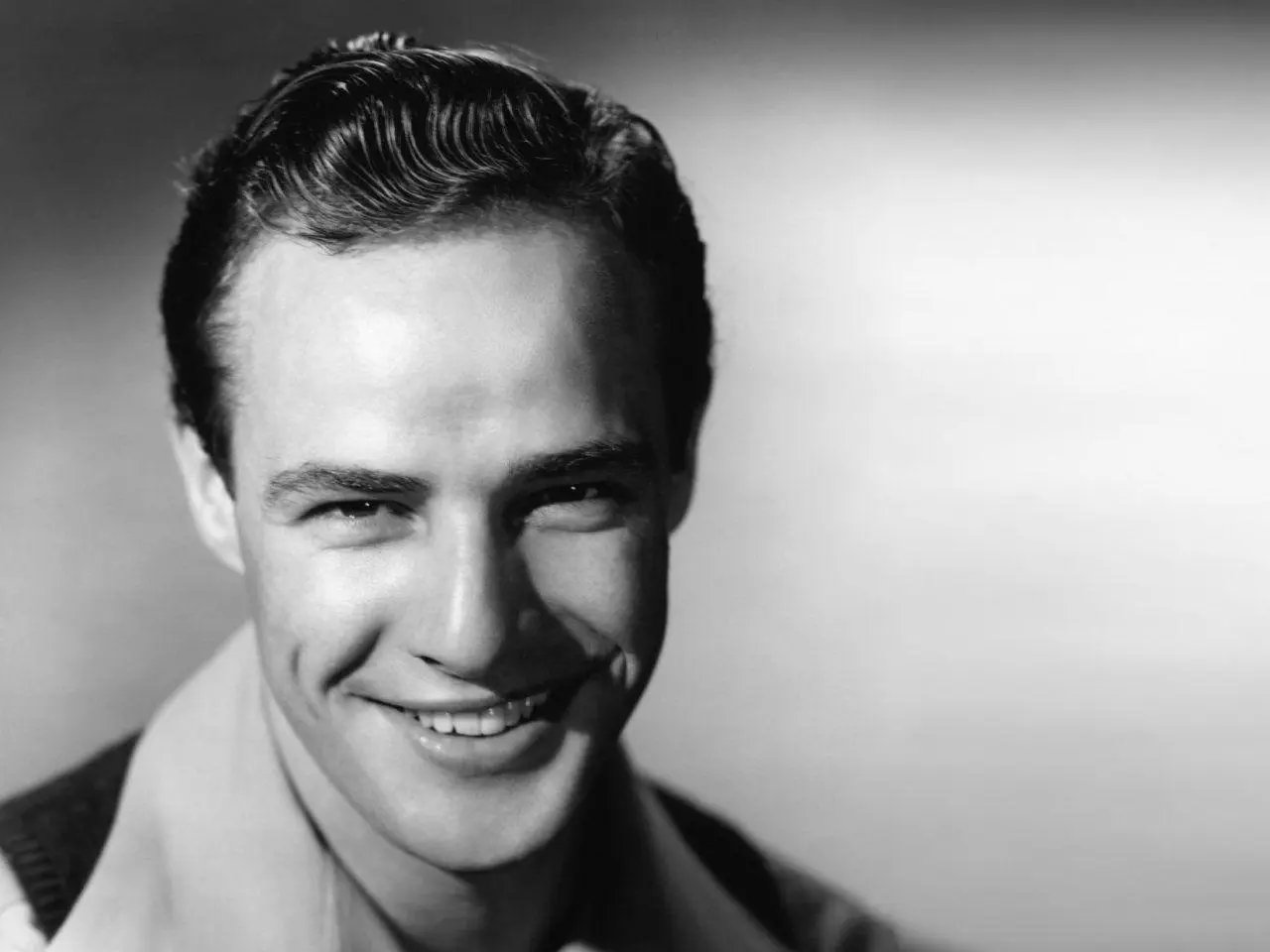
Marlon Brando, often regarded as one of the greatest actors of all time, continues to influence the world of cinema decades after his passing. His unique approach to acting, characterized by emotional depth and authenticity, changed the landscape of Hollywood performances. As we see a resurgence in interest in classic films and actors, understanding Brando’s contributions remains highly relevant.
Early Life and Career
Born on April 3, 1924, in Omaha, Nebraska, Brando grew up in a troubled household, an experience that perhaps fueled his passion for acting. He studied at the Actors Studio in New York City, where he honed his method acting techniques under the guidance of Lee Strasberg. His breakout role came in 1947 when he starred in Tennessee Williams’ ‘A Streetcar Named Desire,’ earning critical acclaim and setting the stage for his Hollywood career.
Revolutionizing Acting
Brando’s performance in ‘Streetcar’ was revolutionary, introducing a raw, naturalistic style that differed dramatically from the theatricality of his predecessors. This success led to his iconic role as Vito Corleone in Francis Ford Coppola’s ‘The Godfather’ (1972), which earned him an Academy Award for Best Actor. Brando famously declined the award in protest against Hollywood’s portrayal of Native Americans, a move that underscored his complex personality and commitment to social causes.
Personal Life and Challenges
Brando’s personal life was as tumultuous as his characters. He faced numerous challenges, including struggles with weight, relationships, and the demands of fame. Despite these issues, he remained a significant cultural figure, participating in civil rights activism and advocating for various humanitarian causes. His contradictory nature—both a profound artist and a troubled individual—adds to the fascination surrounding his legacy.
Conclusion
Marlon Brando’s influence on acting is undeniable. He not only redefined the role of the actor but also opened doors for a generation of performers who followed him. As film history continues to be explored and celebrated, Brando’s contributions serve as a reminder of the power of authenticity in storytelling. Today’s filmmakers and actors can learn much from his approach to character and emotion, ensuring that his legacy endures in modern cinema.