How it unfolded
On March 23, 2026, in Washington, D.C., Senator Martin Heinrich announced his intention to vote in favor of confirming Markwayne Mullin as Secretary of Homeland Security. This decision comes amidst a backdrop of political maneuvering and discussions surrounding various legislative issues, particularly those affecting voting rights.
Heinrich’s support for Mullin is notable given their previously established working relationship. Heinrich has collaborated with Mullin on legislation, indicating a level of trust and mutual respect between the two politicians. Heinrich remarked, “This is going to surprise some people, but I consider Markwayne Mullin a friend,” highlighting the personal rapport that has developed despite the often contentious nature of politics.
Earlier in January 2025, Heinrich demonstrated his willingness to support nominees across party lines by voting in favor of Doug Burgum’s nomination to lead the Interior Department. This pattern of bipartisan cooperation suggests that Heinrich is focused on governance rather than strictly partisan politics.
However, Heinrich’s political landscape is not without controversy. He has been vocal in his criticism of the SAVE Act, which he describes as a voter suppression bill. The legislation proposes requiring proof of citizenship to register to vote, a measure Heinrich argues would disenfranchise vulnerable populations, including rural voters, veterans, and women who have taken their husband’s last names. He stated, “The SAVE Act does not save anyone from anything. It does not protect our freedoms,” emphasizing his belief that the bill undermines democratic principles.
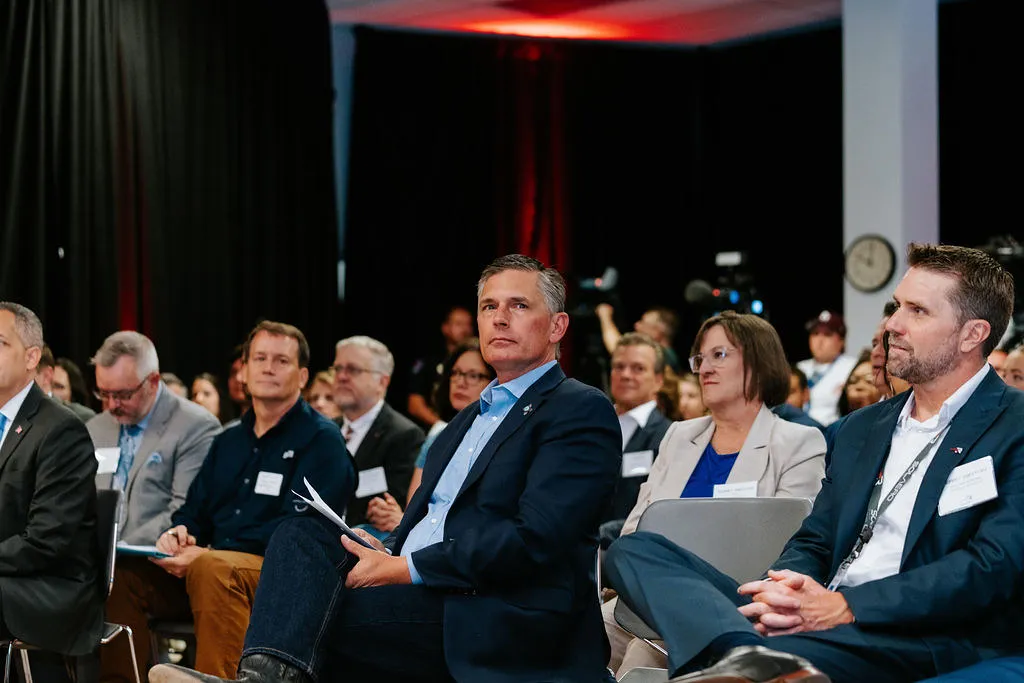
In a roundtable discussion, Heinrich addressed the threats to voting rights posed by the Trump administration, showcasing his commitment to protecting the electoral process. He asserted, “All American citizens should have the same right to vote as the Senators in this room,” reinforcing his stance on equitable access to voting.
As the confirmation vote for Mullin approaches, it is worth noting that fellow Senator Ben Ray Luján has expressed his intention to vote against Mullin’s confirmation. This division among senators reflects the broader political tensions surrounding appointments and legislative initiatives.
Currently, Heinrich’s support for Mullin and his opposition to the SAVE Act position him as a significant player in the ongoing discussions about voting rights and homeland security in the U.S. His actions and statements will likely influence both public opinion and legislative outcomes in the coming months.
Heinrich’s history as a critic of Kristi Noem during her tenure as Secretary of Homeland Security adds another layer to his current political actions. As he navigates these complex issues, the implications of his decisions will resonate with constituents and colleagues alike.