Introduction
Mayor Jacob Frey has been a significant figure in Minneapolis since taking office in 2018. His leadership has been particularly scrutinized in the context of recent social movements and public health challenges. Understanding his policies and the city’s response provides key insights into urban governance and community resilience.
Recent Developments in Minneapolis
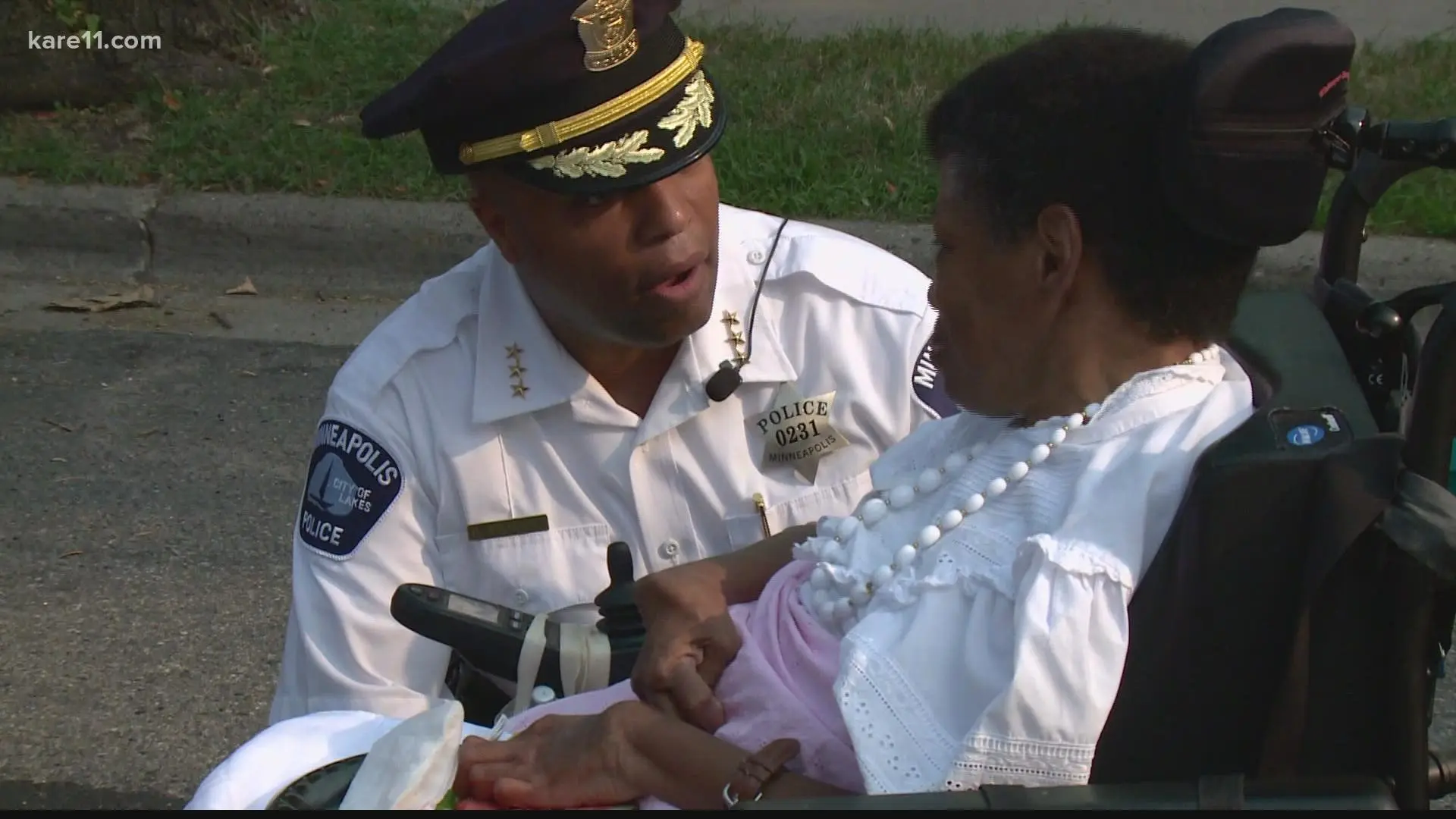
Under Mayor Frey’s administration, Minneapolis has been navigating complex issues including housing, public safety, and economic recovery from the COVID-19 pandemic. After the tragic death of George Floyd in 2020, Frey’s tenure faced intense scrutiny regarding police reform efforts. His decision to propose a new public safety initiative was aimed at reshaping the Minneapolis Police Department while addressing the community’s calls for accountability and better law enforcement practices.
In recent months, Frey has pushed for increased funding for mental health services within the city’s budget. This initiative comes in response to rising concerns about mental health crises exacerbated by the pandemic. Furthermore, in July 2023, Frey announced a collaboration with local organizations to implement community-based safety programs, which aim at reducing crime through social empowerment rather than solely relying on police intervention.
Community Response
The response to Frey’s policies has been mixed. While some community members appreciate his progressive approach toward public safety and mental health, others express frustration over the slow pace of change regarding police reforms. A recent survey indicated that nearly 60% of residents feel that efforts to restructure the police force are inadequate. Frey has emphasized the importance of community engagement in creating effective public safety policies, suggesting increased town hall meetings and community feedback platforms to align his administration’s goals with public expectations.
Conclusion
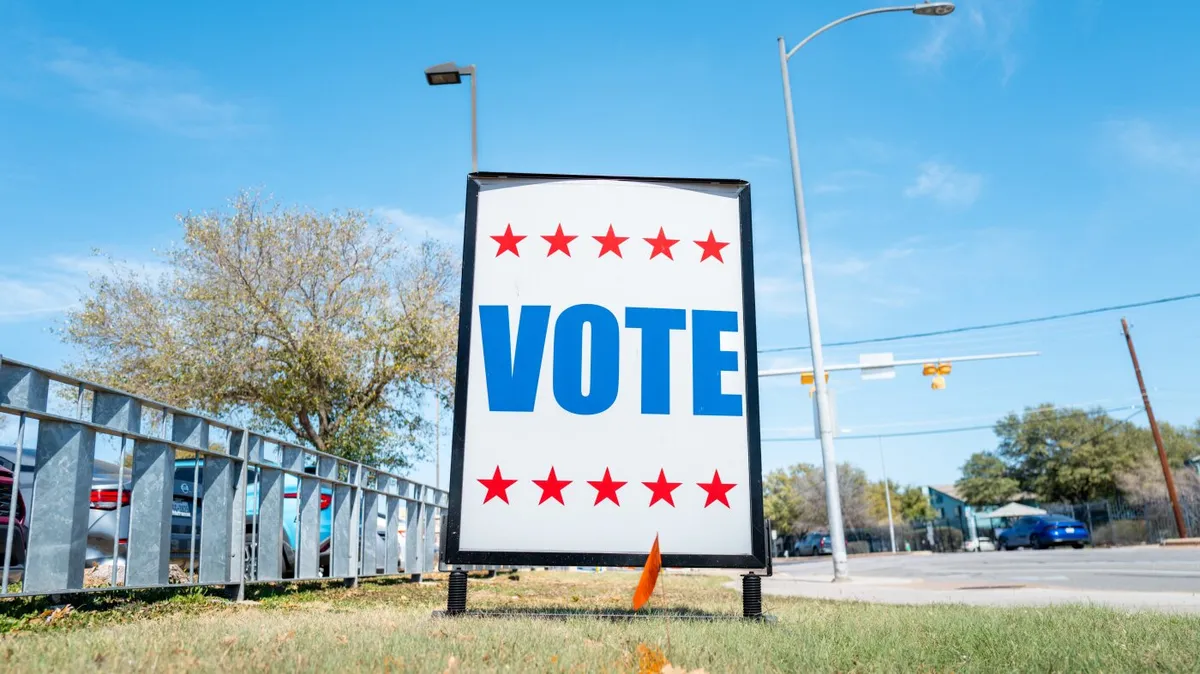
As Mayor Frey continues to steer Minneapolis through its myriad challenges, the effectiveness of his policies remains under the spotlight. The interplay of public sentiment, safety reforms, and community-driven initiatives will likely shape the city’s future trajectory. With the upcoming elections in 2024, it remains crucial for residents to engage in dialogue about their city’s direction and hold their leaders accountable. Frey’s leadership thus serves not only as a case study for Minneapolis but also offers insights into broader urban governance trends that other cities may face in similar times of crisis and transformation.