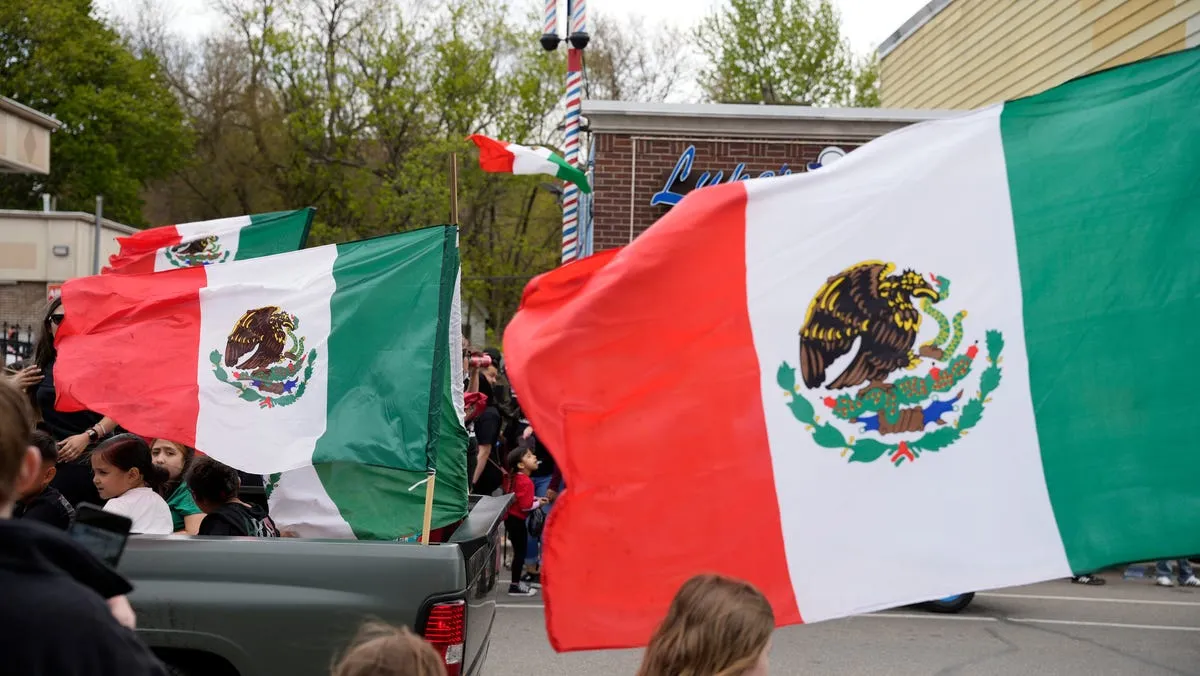
Cinco de Mayo is often mistaken for Mexican Independence Day, but it actually commemorates a specific military victory in 1862. The holiday marks the triumph of Mexican forces over French troops at the Battle of Puebla.
The Battle of Puebla occurred on May 5, 1862. During this battle, approximately 2,000 Mexican soldiers faced around 6,000 French troops. Despite being outnumbered, Mexico lost fewer than 100 men, while France suffered about 500 casualties.
Although Cinco de Mayo celebrates a significant moment in Mexican history, it is not as widely recognized in Mexico as it is in the United States. The holiday primarily sees recognition in Puebla, where the battle took place. In contrast, many Americans celebrate Cinco de Mayo as a broader celebration of Mexican culture and heritage.
Cinco de Mayo celebrations began in the U.S. during the 1960s among Mexican American communities. These festivities highlight traditional music, food, and dance. They serve as a way to promote cultural identity and pride.
Yet, some misconceptions persist about the holiday’s significance. Emmanuel Padilla emphasized that “it is important that we recognize what May 5 actually is… that everyone is informed that there is a difference between Independence Day and May 5… because those two are often confused.”
The actual Mexican Independence Day falls on September 16. This day marks Mexico’s declaration of independence from Spanish rule in 1810. It is a national holiday celebrated with parades and various events across the country.
In recent years, Cinco de Mayo has evolved into a major event in the U.S., drawing large crowds and media attention. Many people celebrate by enjoying traditional foods and drinks, including tacos and tequila.
Andrea Ruiz remarked on the irony surrounding Cinco de Mayo celebrations among those who may hold negative views about Mexicans: “I think it’s funny Trump … and all of his supporters want to get Mexicans out, call them criminals, but then on Cinco de Mayo, they want to go and eat tacos and drink tequila.” This highlights the complex relationship between cultural appreciation and appropriation.