Introduction
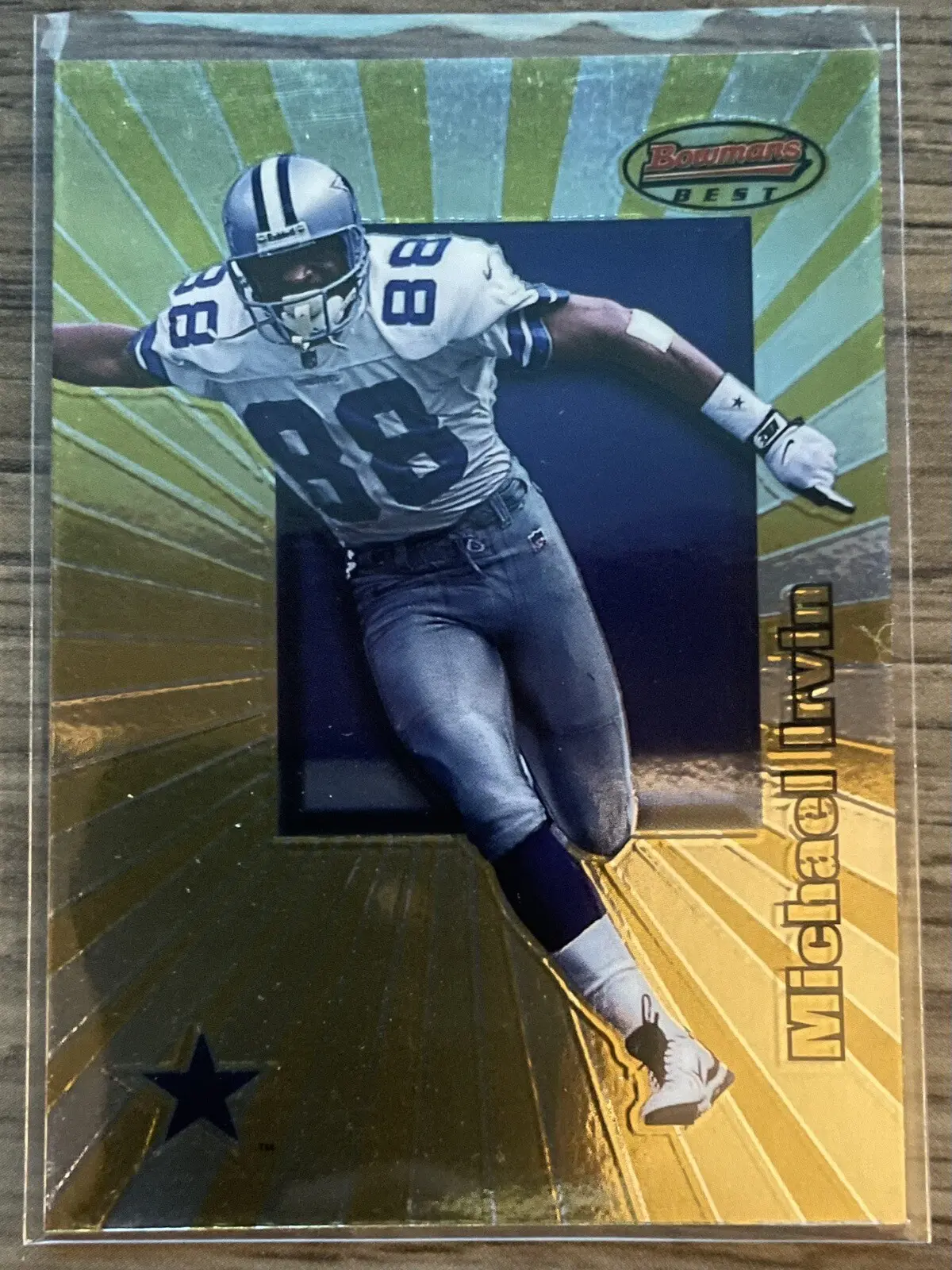
Michael Irvin, a legendary wide receiver and three-time Super Bowl champion with the Dallas Cowboys, has made an indelible mark on the world of football and sports commentary. His contributions extend beyond the field, influencing the landscape of sports media. As fans reflect on his career, understanding his journey offers crucial insights into the evolution of the NFL during the ’90s and his continuing impact on the game today.
Career Highlights
Irvin was drafted by the Dallas Cowboys in 1988, where he quickly established himself as one of the premier wide receivers in the NFL. Over 12 seasons, he amassed 750 receptions for 11,904 yards and 65 touchdowns. A key player in the Cowboys’ dynasty, Irvin was known for his physicality, tenacity, and charisma, which helped him become a pivotal figure in the team’s success during the 1990s.
His achievements on the field did not go unnoticed; Irvin was inducted into the Pro Football Hall of Fame in 2007, a testament to his extraordinary contributions to the sport. Moreover, Irvin’s persona, often filled with flamboyant bites and post-game interviews, endeared him to fans and secured his status as a cultural icon.
Transition to Media
After retiring from professional football, Irvin seamlessly transitioned into sports media. He became a prominent analyst on ESPN and later joined the cast of NFL Network’s “NFL GameDay Morning.” His ability to dissect the game combined with an unpredictable on-screen presence has made him a beloved figure in sports commentary. Recently, he has been involved in discussions regarding the evolving nature of NFL coverage, where he emphasizes the importance of authenticity in reporting.
Recent Developments
In recent news, Michael Irvin has been in the spotlight due to controversies surrounding his role as an analyst. In early 2023, he faced allegations that raised questions about professionalism and decorum, leading to his temporary suspension by NFL Network. As investigations continue, Irvin has defended his reputation vigorously, claiming that he has always acted within the confines of professional and ethical standards.
Conclusion
Michael Irvin’s influence on football is undeniable, and his transition to a media personality paved the way for future athletes in broadcasting. While recent controversies may cloud his current standing, his legacy as a player and commentator remains significant. It is crucial for fans and the media to remember that Irvin’s contributions have shaped the narrative of the NFL. As legal matters unfold and the landscape of sports commentary evolves, Irvin will undoubtedly remain a focal point in discussions about athletes’ roles beyond the field.