Introduction
Mike Kafka, a prominent figure in the world of American football, has garnered attention for his innovative approach to coaching in the NFL. His importance in reshaping offensive strategies is increasingly recognized, with the potential to redefine the next generation of quarterback play. As NFL teams continue to adapt to the evolving dynamics of the game, coaches like Kafka are integral in fostering talent and implementing successful game plans.
Background and Career Path
Kafka was born on August 24, 1987, in Victoria, Texas, and attended Rice University, where he played as a quarterback. Following his collegiate career, he joined the NFL as an undrafted free agent, signing with the Philadelphia Eagles in 2010. Although his playing career was brief, Kafka’s insights and aptitude for the game drew the attention of coaches and management.
Coaching Journey
Kafka transitioned to coaching shortly after retiring from playing. Starting in the college ranks, he served as a quarterback coach at Northwestern University, where he developed a reputation for mentoring young talent. His breakthrough came when he was hired by the Kansas City Chiefs as a coaching intern in 2017 before officially becoming their quarterback coach in 2018. Under his guidance, Chiefs quarterback Patrick Mahomes developed into one of the league’s premier players, culminating in a Super Bowl victory in 2020.
Current Role and Contributions
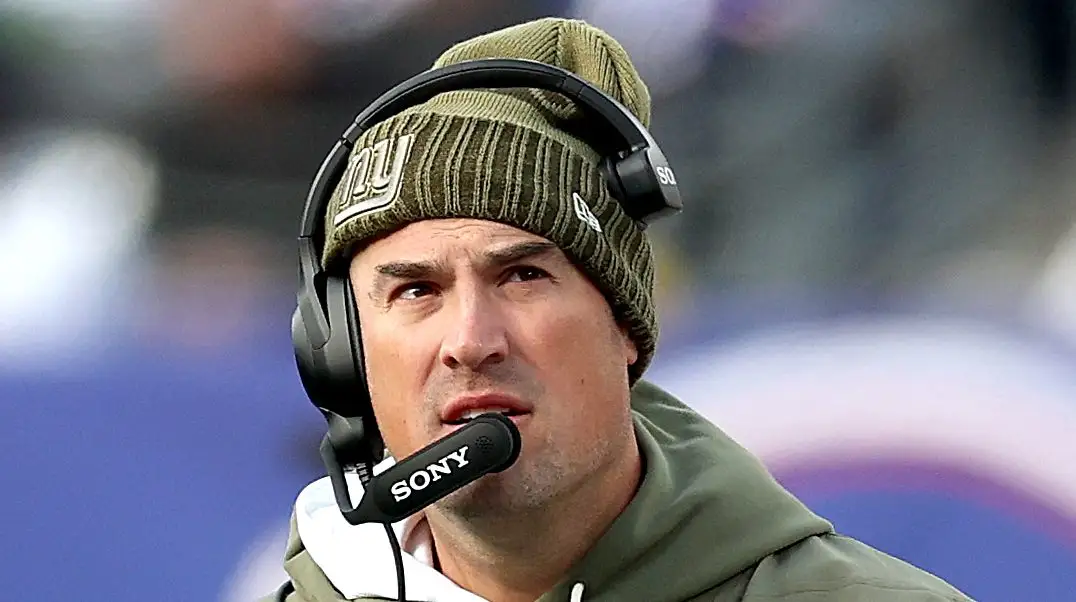
In January 2022, Kafka was appointed as the offensive coordinator for the New York Giants, where he has been instrumental in transforming the team’s offensive gameplay. His ability to adapt play-calling to leverage quarterback Daniel Jones’s strengths, alongside the development of rising stars like Saquon Barkley, has revitalized the Giants’ offense. Kafka emphasizes creativity and collaboration, blending traditional strategies with modern analytics to optimize team performance.
Looking Ahead
As the NFL continues to evolve, Mike Kafka’s coaching strategies will likely play a significant role in how offenses are structured in the coming years. His focus on player development and innovative game-planning is expected to attract attention from franchises looking to rebuild or enhance their coaching staff. With teams increasingly investing in technology and analytics to dissect defenses, Kafka stands out as a forward-thinking coach capable of guiding his players through complex schemes.
Conclusion
Mike Kafka’s rise from player to coach reflects a broader trend within the NFL, where former players are shaping the minds of future stars. As he continues to make his mark with the New York Giants, Kafka’s innovative techniques and dedication to his players may very well sustain his reputation as one of the league’s most influential coaches in the coming years. The impact of his work on the offensive side of the game suggests a bright future not only for him but for those he mentors along the way.