What the data shows
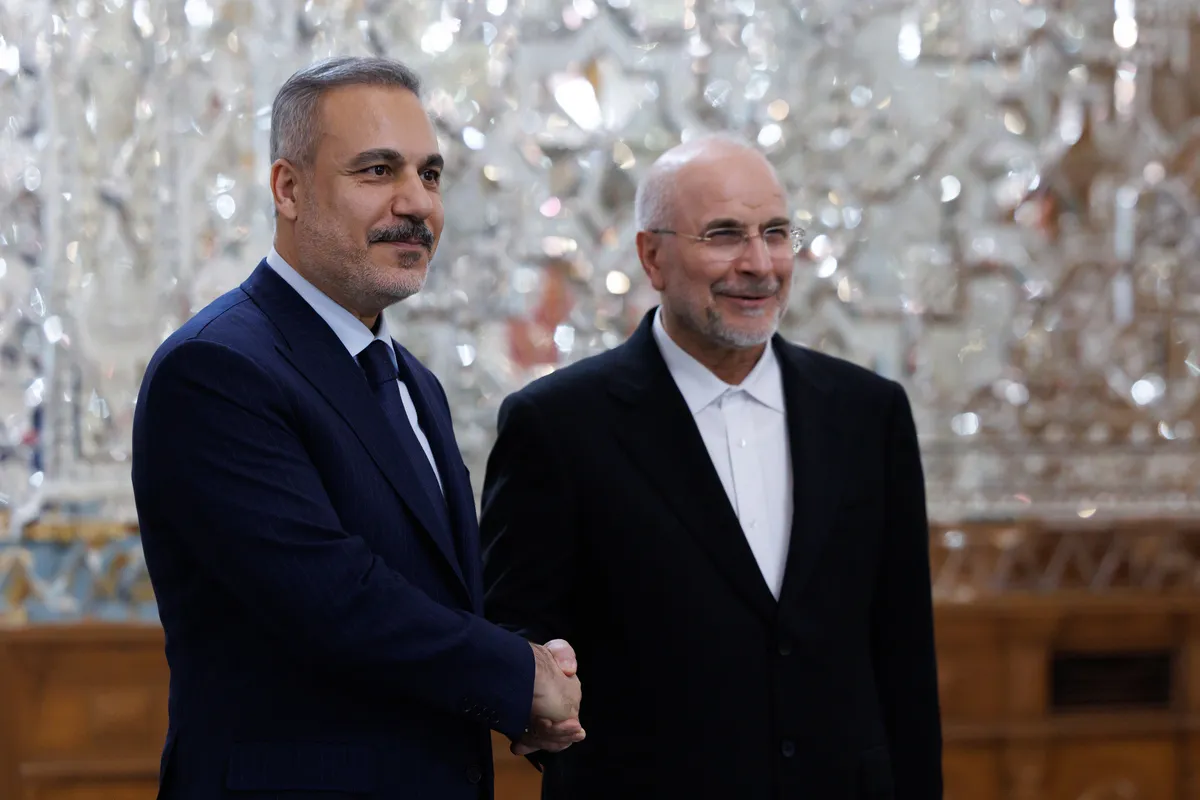
The recent escalation between Iran and the United States raises a critical question: How will the ongoing tensions affect regional stability and international relations? In response to an attack on Israel’s oil refinery, U.S. former President Donald Trump has put Iran and its parliament speaker, Mohammad Bagher Ghalibaf, on notice. Ghalibaf’s reaction has been swift and severe, warning the U.S. against a ground invasion and threatening to set American troops ‘on fire.’
Ghalibaf’s remarks come amid claims that Iranian forces are prepared to attack U.S. troops and their regional partners. This confrontation has significant implications, especially as oil prices spiked to $115 per barrel following the Iranian attacks, impacting global markets and the U.S. economy, where the average gas price has reached $3.99 per gallon.
In a recent statement, Trump indicated that the U.S. will soon determine whether Ghalibaf is open to working with Americans. This comment follows Ghalibaf’s criticism of Trump’s social media posts, which he described as market manipulation intended to distract from the challenges faced by the U.S. and Israel.
Ghalibaf has also referred to the U.S.’s 15-point plan as ‘their wishes,’ rejecting any notion of capitulation. His defiance is underscored by statements such as, “Far be it from us to accept humiliation,” and, “Our firing continues. Our missiles are in place. Our determination and faith have increased.” These declarations signal Iran’s readiness to respond militarily if provoked further.
This situation marks a significant moment in Iranian politics, particularly as it is the first time Iran has threatened to strike Israeli and American universities, indicating a shift in the nature of its military rhetoric. The implications of such threats could extend beyond military engagements, potentially affecting diplomatic relations and international perceptions of Iran.
As the situation unfolds, uncertainties remain, particularly regarding the health status of Iran’s new Supreme Leader, Mojtaba Khamenei. Details remain unconfirmed, leaving analysts and observers to speculate on how leadership dynamics may influence Iran’s foreign policy and military strategies.
In summary, the tensions between Mohammad Bagher Ghalibaf and Donald Trump exemplify the precarious state of U.S.-Iran relations. With both sides issuing stark warnings, the potential for conflict looms large, and the international community watches closely as events continue to develop.