Introduction
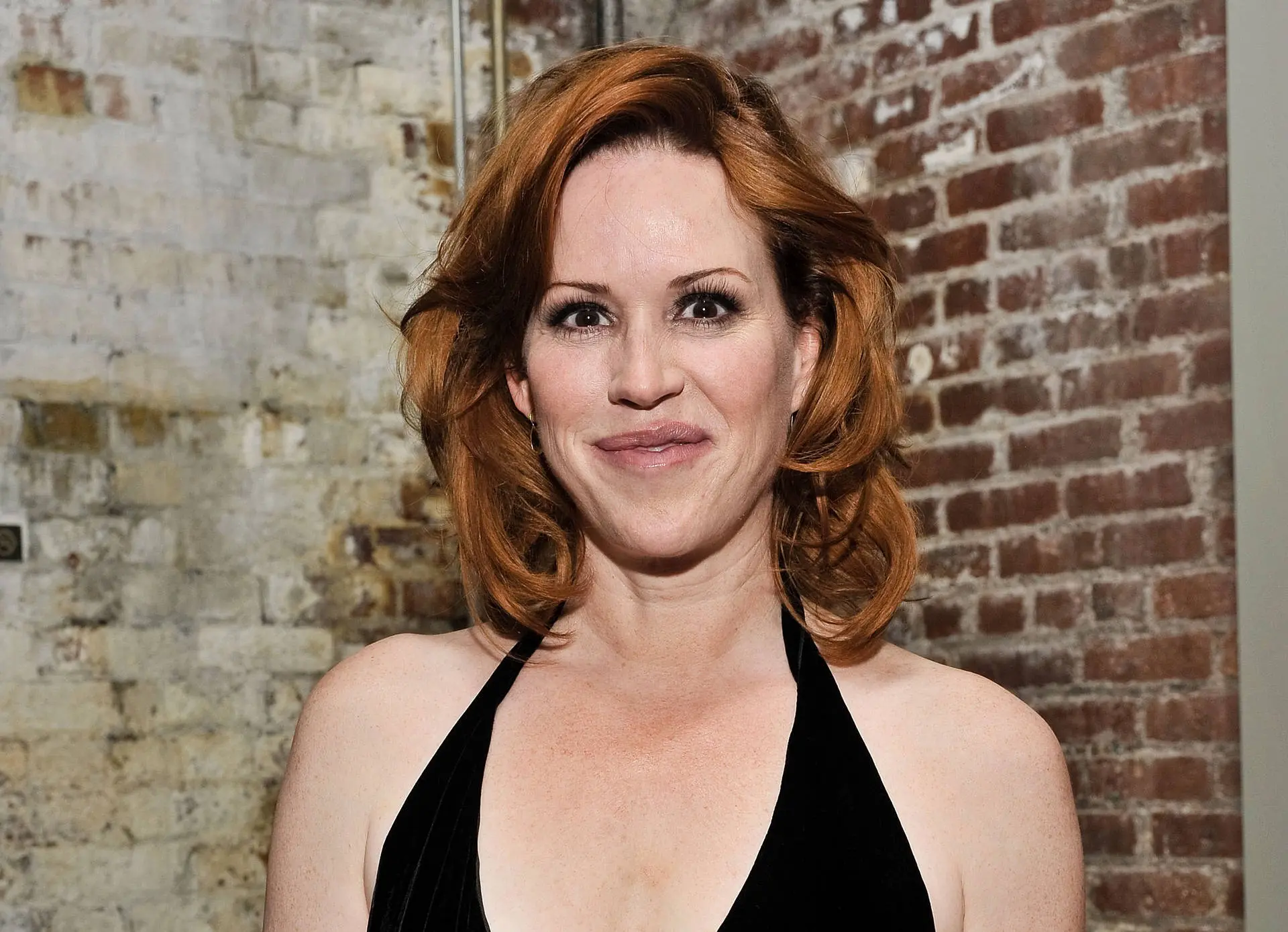
Molly Ringwald, an emblematic figure of the 1980s, is widely recognized for her roles in iconic films such as “Sixteen Candles,” “The Breakfast Club,” and “Pretty in Pink.” Her contributions to cinema and pop culture have had a lasting influence, making her an enduring presence in Hollywood. As we witness a resurgence of ’80s nostalgia in media today, understanding Ringwald’s impact offers valuable insights into the evolution of teen film culture.
The Rise to Fame
Born on February 18, 1968, in Roseville, California, Molly Ringwald’s passion for performing started early. She gained attention in local theater productions before landing her breakout role in the television series “The Facts of Life” in the early ’80s. However, it was her collaboration with director John Hughes that truly catapulted her to fame. Hughes’s films portrayed the complex lives of adolescents, and Ringwald’s relatable performances resonated with viewers, establishing her as a defined voice of the teen experience.
Iconic Roles and Legacy
In the mid-’80s, Ringwald starred in a trilogy of films directed by Hughes that not only captured the struggles of teenage years but also addressed themes of love, identity, and friendship. In “Sixteen Candles” (1984), she portrayed a girl whose birthday is forgotten by her family, leading to humorous yet poignant moments. “The Breakfast Club” (1985) showcased her as a popular girl with unexpected depth, while “Pretty in Pink” (1986) further solidified her status as a fashion icon with unforgettable style choices that reflected the era’s trends. Today, her films continue to be celebrated and revisited, cementing her legacy as a pivotal figure in the teen movie genre.
Recent Work and Cultural Relevance
In recent years, Ringwald has expanded her repertoire beyond acting to include writing and music. She published her first novel, “Getting the Pretty Back,” which explores themes of self-acceptance and beauty standards. Additionally, she has acted in various television shows, including a prominent role in the series “Riverdale,” which brings her back into the limelight among a new generation of fans. Her continued relevance in today’s cultural landscape underscores the message that the teenage experience, while it may change in context, remains fundamentally relatable.
Conclusion
Molly Ringwald’s journey from an ’80s teen sensation to a versatile artist underscores her significant contribution to Hollywood. As audiences increasingly seek authenticity and relatability in characters, Ringwald’s work stands as a reminder that the struggles of youth remain timeless. Looking ahead, her influence on both past and present generations promises to endure, making her an essential part of cinematic history.