Reaction from the field
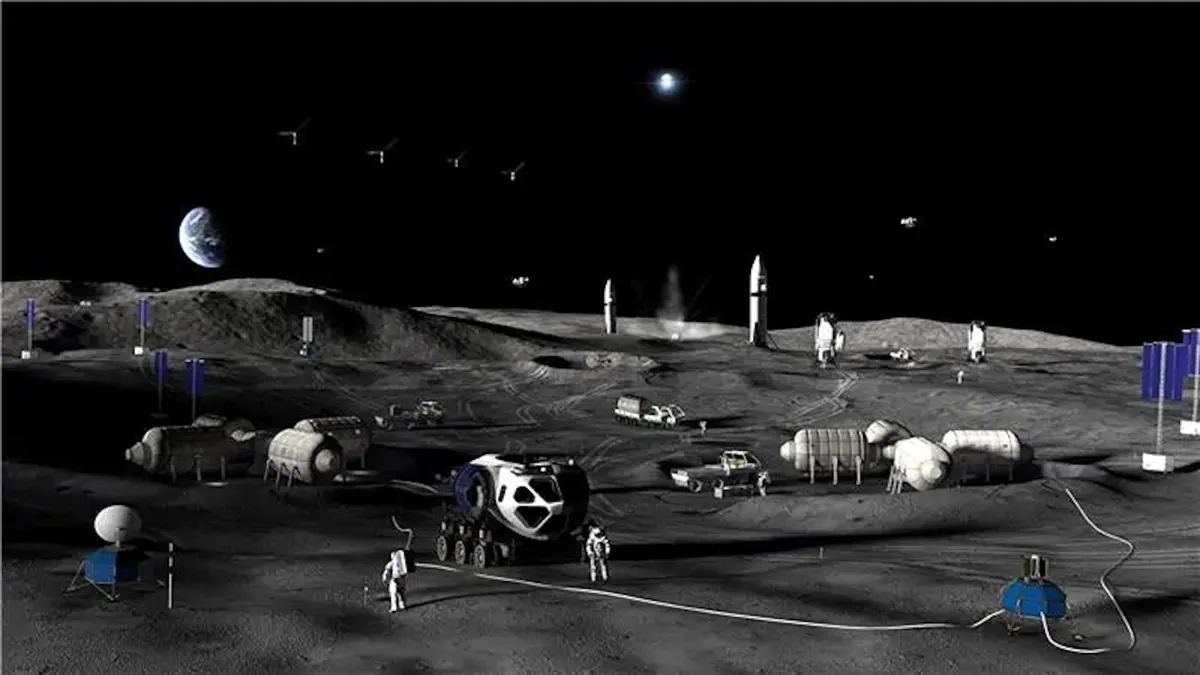
The announcement of NASA’s plan to invest $20 billion in building a permanent moon base has significant implications for lunar exploration and international space competition. This initiative is a key component of NASA’s Artemis program, which aims to establish a sustainable human presence on the moon. The stakes are high, as the success of this program could reaffirm American leadership in space amidst growing competition from countries like China.
NASA’s moon base development will occur in three distinct phases: testing technology, constructing semi-habitable areas, and ultimately establishing a long-term presence on the lunar surface. This phased approach reflects a strategic shift, as NASA is moving away from its original plan to develop the Gateway space station, focusing instead on a more direct lunar presence.
According to Jared Isaacman, a prominent figure in the space industry, “NASA is committed to achieving the near‑impossible once again: to return to the moon before the end of President Trump’s term, build a moon base, establish an enduring presence, and do the other things needed to ensure American leadership in space.” This statement underscores the urgency and ambition of the project, which aims to land astronauts on the moon every six months following the Artemis V mission.
The Artemis IV and Artemis V missions are scheduled for launch in 2028, marking a pivotal moment in NASA’s lunar exploration efforts. Isaacman has emphasized that while the moon base will not appear overnight, the agency plans to invest approximately $20 billion over the next seven years, executing dozens of missions in collaboration with commercial and international partners.
NASA’s strategy includes repurposing systems and hardware from the Gateway program to support the moon base initiative. This approach not only optimizes resources but also accelerates the timeline for establishing a permanent lunar presence. The agency has outlined plans for 30 uncrewed landings in 2027, which will help pave the way for future crewed missions.
As the timeline for the Artemis missions approaches, the competitive landscape of space exploration is becoming increasingly pronounced. Isaacman noted, “The clock is running in this great‑power competition, and success or failure will be measured in months, not years.” This sentiment reflects the urgency with which NASA must operate to maintain its position in the global space race.
While the details of the moon base project are ambitious, uncertainties remain regarding the specific technologies and partnerships that will be utilized. As NASA moves forward, the collaboration with organizations such as SpaceX, Blue Origin, and international space agencies like JAXA, ASI, and CSA will be crucial to the project’s success. Details remain unconfirmed.
In summary, NASA’s $20 billion investment in a moon base represents a significant step toward establishing a permanent human presence on the lunar surface. The implications of this endeavor extend beyond scientific exploration, potentially reshaping the dynamics of international space competition in the coming years.