Reaction from the field
The upcoming Artemis II lunar flyby, scheduled for April 6, 2026, will be a significant milestone in space exploration, as NASA prepares to break the record for the farthest distance from Earth traveled by any human mission. The mission will surpass the Apollo 13 record, which reached 248,655 miles from Earth, with Artemis II expected to travel approximately 252,760 miles. This ambitious endeavor not only aims to test the capabilities of the Orion spacecraft but also sets the stage for future lunar landings.
The Artemis II crew consists of NASA astronauts Reid Wiseman, Victor Glover, Christina Koch, and Canadian astronaut Jeremy Hansen. They will enter the lunar sphere of gravitational influence at around 12:41 a.m. EDT on April 6, before reaching their closest approach to the Moon at 7:02 p.m. EDT, at an altitude of 4,070 miles above the lunar surface. During this flyby, the crew will conduct lunar observations for approximately six hours, taking advantage of the unique conditions presented by the timing of their mission.
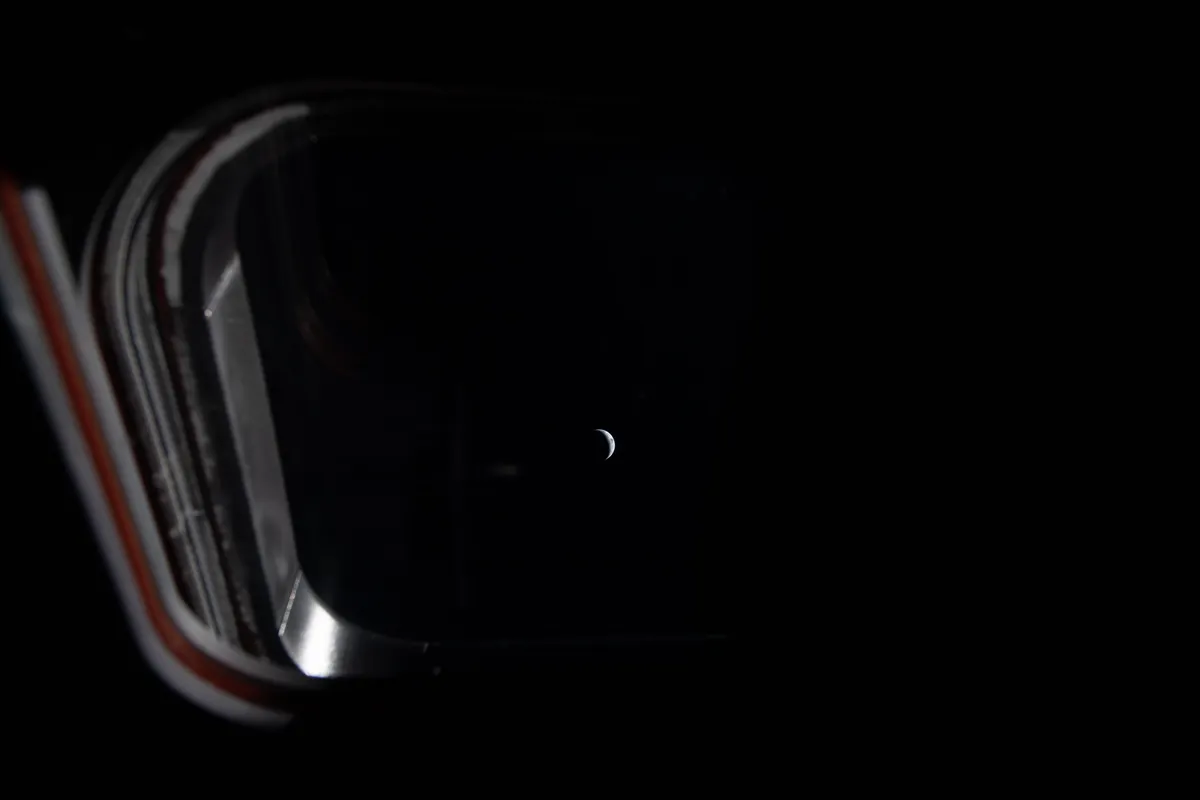
NASA plans to live stream the Artemis II lunar flyby on its YouTube channel starting at 1 p.m. EDT on April 6, allowing audiences worldwide to witness this historic event. The live stream will provide insights into the mission as it unfolds, showcasing the crew’s observations and the spacecraft’s performance during the flyby. As the crew approaches the Moon, they will encounter a mostly dark lunar surface, presenting an opportunity to look for flashes of light from meteoroids striking the Moon’s surface.
As part of the mission, the Orion capsule is expected to reenter Earth’s atmosphere on April 10, 2026. This reentry will mark the conclusion of a critical test flight that is essential for NASA’s broader Artemis campaign, which aims to establish a permanent foothold on the lunar south pole. The Artemis II mission is primarily a test flight ahead of a future moon landing, with NASA intending to return astronauts to the lunar surface for the first time since the Apollo missions ended in 1972.
During the flyby, the crew will experience a communication blackout lasting approximately 40 minutes as they pass behind the Moon. This temporary loss of contact will be a crucial moment, testing the spacecraft’s systems and the crew’s ability to operate without real-time communication from mission control. NASA has emphasized the importance of this mission in pushing the boundaries of human spaceflight and expanding our understanding of the Moon.
NASA’s Artemis campaign is not just about reaching the Moon; it is about laying the groundwork for future exploration of Mars and beyond. The Artemis II mission will provide valuable data and experience that will inform subsequent missions, including those aimed at landing astronauts on the lunar surface. The success of Artemis II could pave the way for a new era of space exploration, where humans regularly travel to and from the Moon.
As the launch date approaches, excitement is building within the space community and among the public. NASA’s live stream will allow millions to engage with this historic moment in real-time, fostering a sense of global participation in space exploration. The mission represents a significant step forward in humanity’s quest to explore the cosmos, and the live stream will serve as a reminder of the collaborative efforts involved in such ambitious endeavors.
Details remain unconfirmed regarding the specific technical challenges that may arise during the mission, but NASA’s extensive preparations aim to mitigate potential risks. The Artemis II lunar flyby is poised to be a landmark event, not only for NASA but for all of humanity as we look to the stars.