Background and Expectations
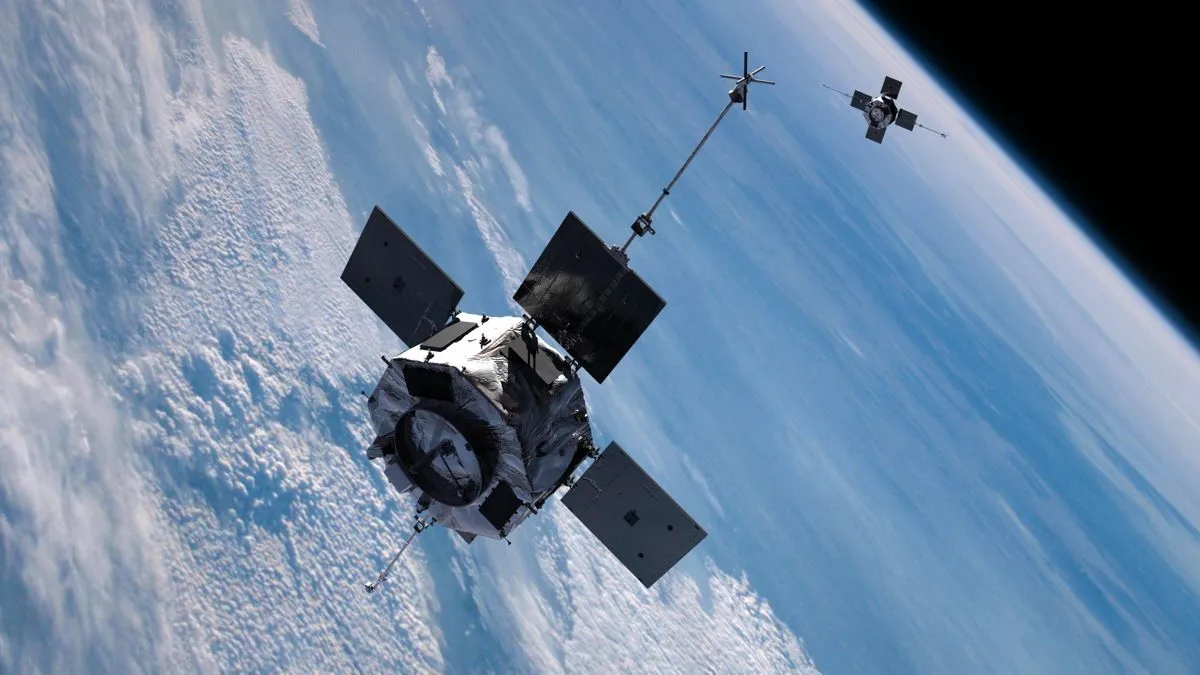
The Van Allen Probe A, part of a mission originally intended to last two years, was launched in August 2012 to study the radiation belts surrounding Earth. NASA anticipated that the spacecraft would remain in orbit until 2034, but unexpected solar activity led to an earlier reentry. The probe, which weighed 1,323 pounds (600 kilograms), was deactivated in 2019 after gathering valuable data for nearly 14 years.
Decisive Moment
On March 11, 2026, at 6:37 a.m. EDT, the Van Allen Probe A reentered the Earth’s atmosphere over the eastern Pacific Ocean. NASA had forecasted the reentry to occur on March 10, 2026, plus or minus 24 hours, but the actual event took place a day later. The U.S. Space Force confirmed the timing and location of the reentry.
Immediate Effects
NASA expected that most of the spacecraft would burn up during its descent, with a low probability of any components surviving. There was a 1-in-4,200 chance that the satellite would cause injury during its reentry, a risk that was deemed minimal. Fortunately, there were no reports of injuries or damage associated with the event.
Expert Perspectives
A NASA spokesperson noted, “NASA expected most of the spacecraft to burn up as it traveled through the atmosphere, but some components may have survived reentry.” This statement reflects the agency’s confidence in the safety measures surrounding satellite reentries. Furthermore, experts emphasized that the probe’s reentry did not represent an operational failure or any specific problem with its hardware.
The Van Allen Probe A’s crash marks the end of a significant chapter in space exploration, highlighting the challenges and unpredictability of satellite missions. As NASA continues to study the data collected from the probe, the focus will shift to future missions that will build on the knowledge gained from this endeavor.