Introduction
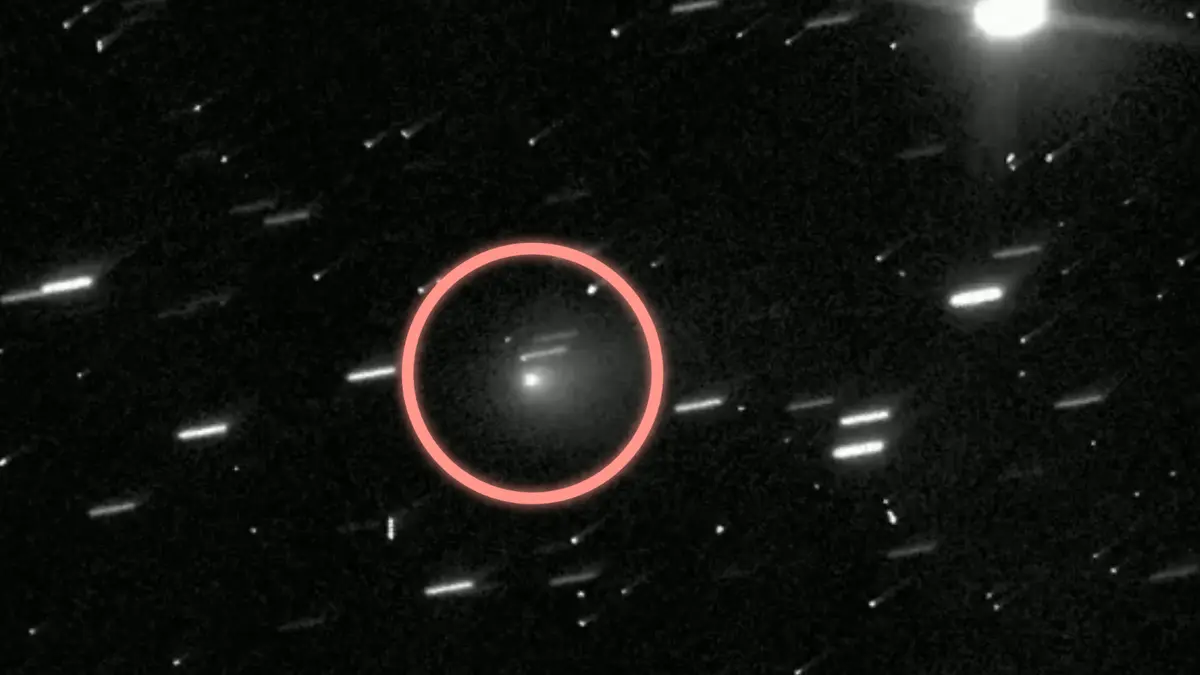
The discovery of interstellar comet 3I ATLAS has stirred excitement among astronomers and space enthusiasts alike. As one of the few known interstellar comets, 3I ATLAS offers a unique opportunity to study material from beyond our solar system. Its significance lies not only in its origin but also in what it can teach us about the early solar system and the conditions that existed in the universe when our solar system was formed.
Details on Interstellar Comet 3I ATLAS
Discovered in late 2021 by the Asteroid Terrestrial-impact Last Alert System (ATLAS) in Hawaii, comet 3I ATLAS quickly gained attention due to its trajectory indicating that it originated from another star system. The comet made its closest approach to Earth in June 2023, an event that allowed scientists to gather invaluable data about its composition and behavior.
NASA’s facilities, including the Hubble Space Telescope and various ground-based observatories, were instrumental in tracking and studying the comet as it passed through our solar system. Observations were focused on its nucleus and the gases released as it approached the Sun, which provide clues about its structure, age, and the processes that shaped it during its interstellar journey.
Scientific Significance
Scientists believe that studying interstellar comets like 3I ATLAS can enhance our understanding of the building blocks of planets and the evolutionary processes of stars. The chemicals and materials present in 3I ATLAS could mirror those found in protoplanetary disks, helping to piece together the environmental conditions that led to planet formation billions of years ago.
Furthermore, comets are believed to have played a critical role in delivering water and organic molecules to forming planets, including Earth. By analyzing the 3I ATLAS data, researchers hope to draw parallels and distinctions which could elucidate the similarities and differences among celestial bodies from various star systems.
Conclusion
The interstellar comet 3I ATLAS represents a significant advancement in astronomical research, providing insights into the origins of our solar system and the broader universe. As NASA continues to analyze data from this comet and others, we look forward to uncovering deeper secrets about the cosmos. Understanding the nature of interstellar objects will not only satiate human curiosity but also provide essential information for future space missions and potential exploratory endeavors beyond our solar system.