Introduction
Natalie Decker has emerged as a significant figure in the world of auto racing, captivating fans with her skills and determination. As a female driver in a predominantly male sport, she represents a breakthrough for women in racing. Her growing popularity and recent achievements signal a shift in the motorsport landscape, proving that talent knows no gender.
Career Highlights
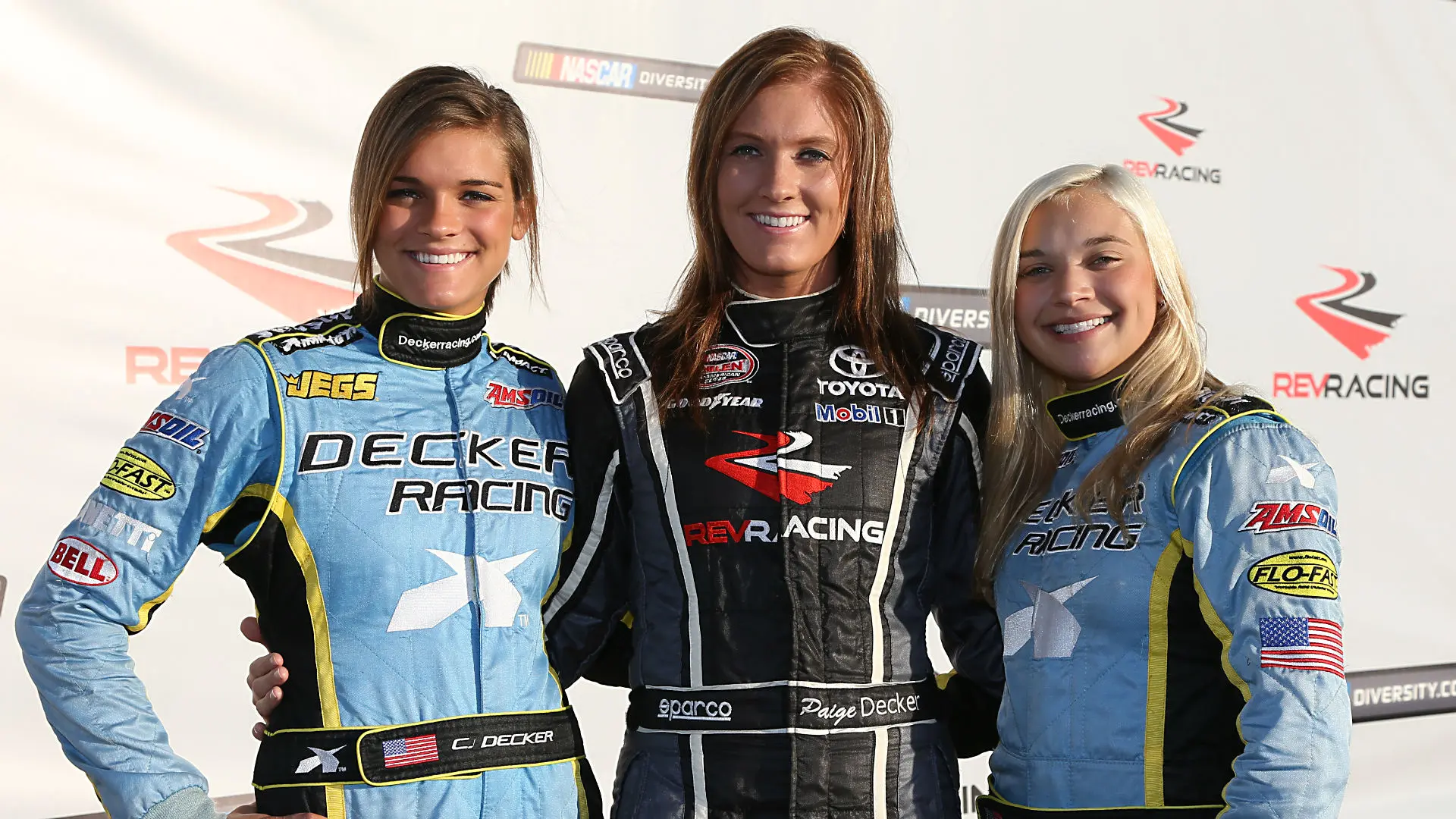
Born on June 24, 1997, in Eagle River, Wisconsin, Natalie Decker began her racing journey in go-karts before advancing to stock cars. She has competed in various series, including the ARCA Menards Series and the NASCAR Camping World Truck Series. In 2021, she participated in the ARCA race at the Daytona International Speedway, which marked a significant milestone in her career, showcasing her skills on one of the sport’s biggest stages.
Decker has faced numerous challenges, including equipment issues and tough competition, but her perseverance has allowed her to constantly improve. 2023 has been a pivotal year for her, as she secured her first top-ten finish in the ARCA race at Kansas Speedway, further solidifying her presence in the racing community.
Recent Developments
In the current racing season, Decker’s team has announced plans to compete in additional events across the country, aiming to expand her experience and build on her recent success. With sponsors expressing enthusiasm about her potential, Decker’s visibility in the sport continues to grow, along with her fanbase. Her social media presence has surged, giving fans a glimpse into her life as a professional driver and her commitment to the sport.
Conclusion
The trajectory of Natalie Decker’s racing career suggests a bright future ahead. As she continues to break barriers, her dedication serves as an inspiration for aspiring drivers, especially women, who wish to make their mark in auto racing. With more opportunities on the horizon, Decker’s journey is one to watch, and her impact on the sport will likely resonate for years to come. The evolution of her career exemplifies the increasing inclusivity in racing and the importance of diverse representation within the industry.