Introduction
Traffic management is a critical aspect of urban planning and transportation systems, affecting millions of commuters daily. The importance of efficient traffic flow is evident in reducing congestion, improving safety, and minimizing environmental impact. As cities expand and populations grow, understanding traffic patterns and challenges becomes vital for sustaining economic activities and enhancing the quality of life.
Current Traffic Trends
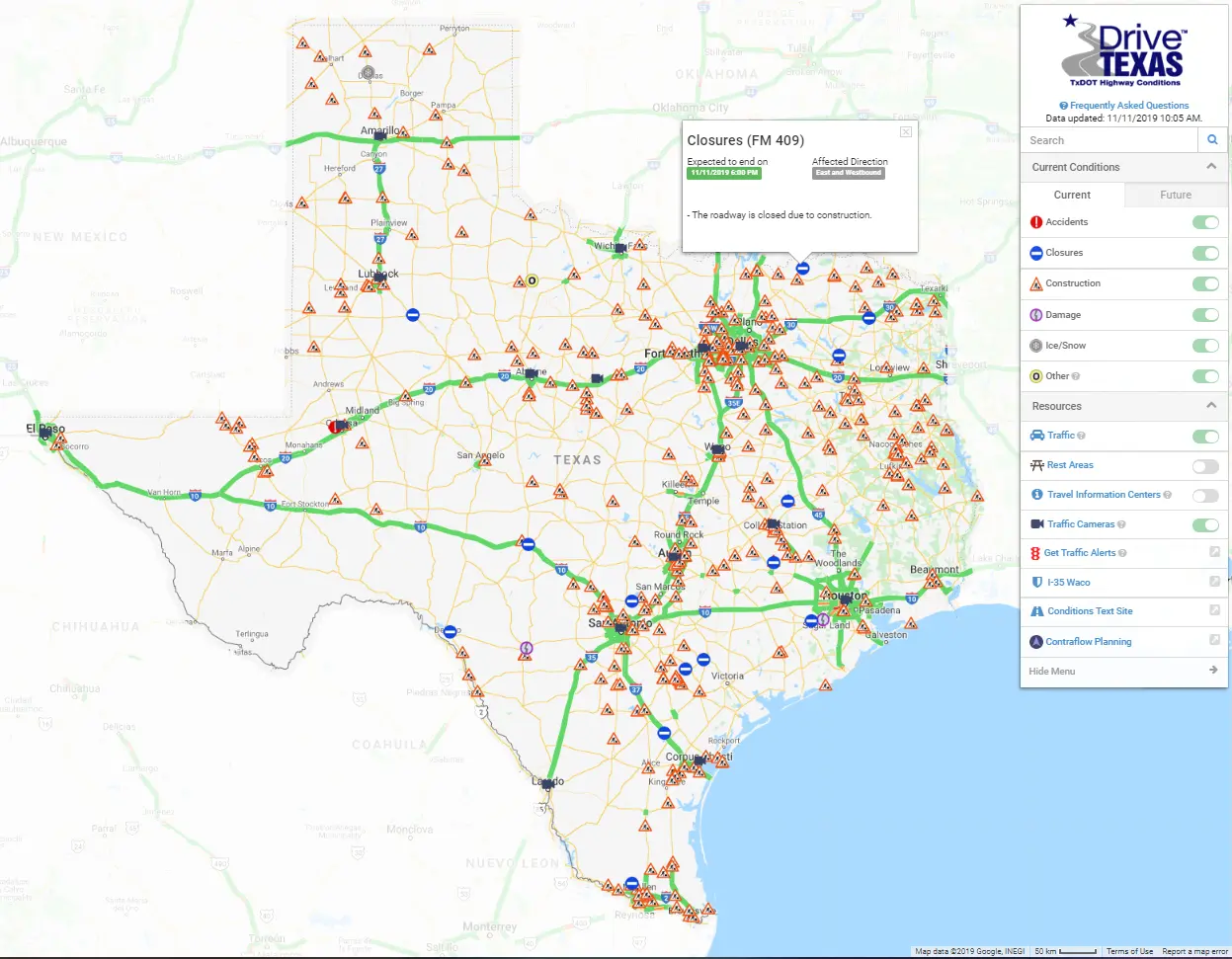
In recent months, cities across the United States have witnessed fluctuations in traffic patterns as people return to offices post-pandemic. According to the Texas A&M Transportation Institute’s Annual Urban Mobility Report, traffic congestion increased by 7% from 2022 to 2023 as urban areas adjusted to new normal. Reports indicate that major cities like Los Angeles, New York, and Chicago are experiencing significant vehicle delays during peak hours, with many commuters spending upwards of 90 hours annually in gridlock.
Innovative Solutions for Traffic Challenges
To combat these issues, several cities have implemented innovative traffic management solutions. For instance, Los Angeles has introduced smart traffic signals that adjust in real-time based on vehicular flow. Additionally, cities are integrating artificial intelligence systems to analyze traffic data more accurately, allowing for timely interventions that alleviate congestion. Moreover, there is a growing emphasis on multi-modal transportation options. Cities are encouraging public transport use, cycling, and walking to reduce single-occupancy vehicle trips, thereby lessening the overall traffic burden.
The Importance of Policy and Community Engagement
Effective traffic management requires robust policies and community involvement. Local governments are increasingly seeking input from citizens to understand their transportation needs better. Public meetings and online surveys are becoming common platforms for dialogue around traffic concerns. Additionally, regional cooperation between cities is crucial, as traffic does not recognize administrative boundaries. Collaborative efforts can lead to more comprehensive solutions that benefit all stakeholders.
Conclusion
As urban areas continue to grapple with traffic challenges, the need for innovative management and community involvement becomes increasingly clear. Tracking traffic patterns, investing in technology, and promoting sustainable transportation methods are essential steps toward enhancing mobility in our cities. Forecasts suggest that without intervention, traffic congestion will only grow worse, causing greater economic and environmental repercussions. Therefore, implementing effective solutions and engaging community perspectives will be critical in creating a future where urban transportation is efficient and accessible for all.