Who is involved
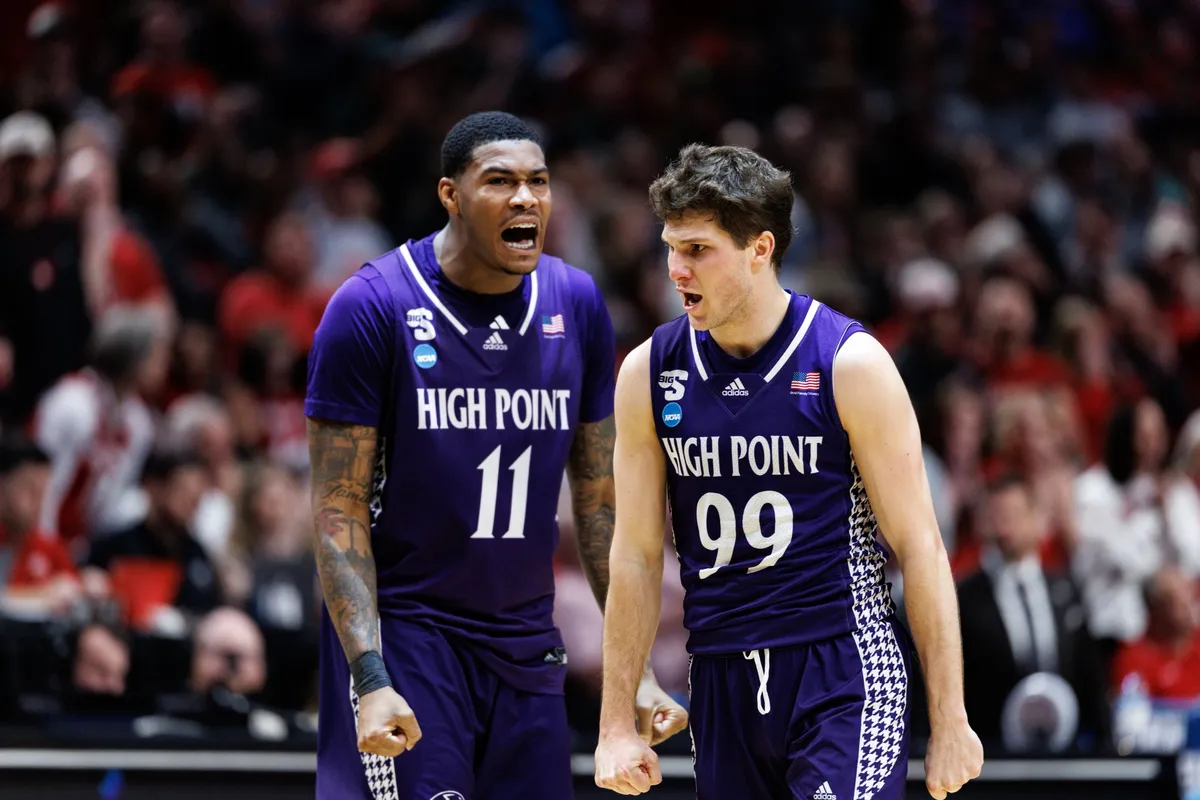
The 2026 NCAA Tournament began on March 19, 2026, and has already showcased a series of unexpected outcomes. Prior to this year’s tournament, expectations were high for several teams, particularly the higher-seeded ones, which typically dominate the early rounds. However, the tournament has quickly turned into a showcase of upsets, with lower-seeded teams making significant strides against their higher-ranked opponents.
In a notable first-round matchup, No. 11 Texas defeated No. 6 BYU with a score of 79-71. This victory was particularly striking given Texas’s lower seed, and it highlights the unpredictable nature of the tournament. AJ Dybantsa of BYU had an impressive performance, scoring 35 points and grabbing 10 rebounds, but it was not enough to secure a win for his team. The outcome of this game marked a decisive moment in the tournament, as Texas advanced to face the winner of the No. 3 Gonzaga and No. 14 Kennesaw State matchup.
Another significant result came from the No. 1 overall seed, Duke, which narrowly defeated Siena 71-65. This close game underscored the competitive spirit of this year’s tournament, as even the top seeds faced challenges from lower-seeded teams. Additionally, Michigan triumphed over Howard with a commanding score of 101-80, showcasing their offensive prowess and setting a strong tone for their tournament run.
Arkansas also made headlines by scoring over 90 points in an NCAA tournament game for the first time since 1999, further emphasizing the high-scoring nature of this year’s tournament. This performance not only reflects the team’s capabilities but also indicates a shift in the scoring dynamics of NCAA games, where offensive strategies are evolving to produce higher scores.
Experts have noted that the 2026 NCAA Tournament features a significant number of upsets compared to the previous season. This trend has sparked discussions among analysts and fans alike, with many attributing the unpredictability to the emergence of star freshmen leading their respective teams. The excitement surrounding these young players adds an additional layer of intrigue to the tournament, as their performances can dramatically influence their teams’ success.
As the tournament progresses, 32 teams are expected to advance to the second round by the end of March 20, 2026. The anticipation surrounding these matchups is palpable, with fans eagerly awaiting the outcomes of games that could further shake up the tournament landscape. The early rounds have already set the stage for what promises to be a thrilling journey to the Final Four in Indianapolis.
In summary, the 2026 NCAA Tournament has begun with a flurry of upsets and standout performances, challenging the expectations set before the tournament. As teams like Texas and Arkansas make headlines, the dynamics of NCAA games continue to evolve, leaving fans and analysts alike eager to see how the tournament unfolds.