Introduction
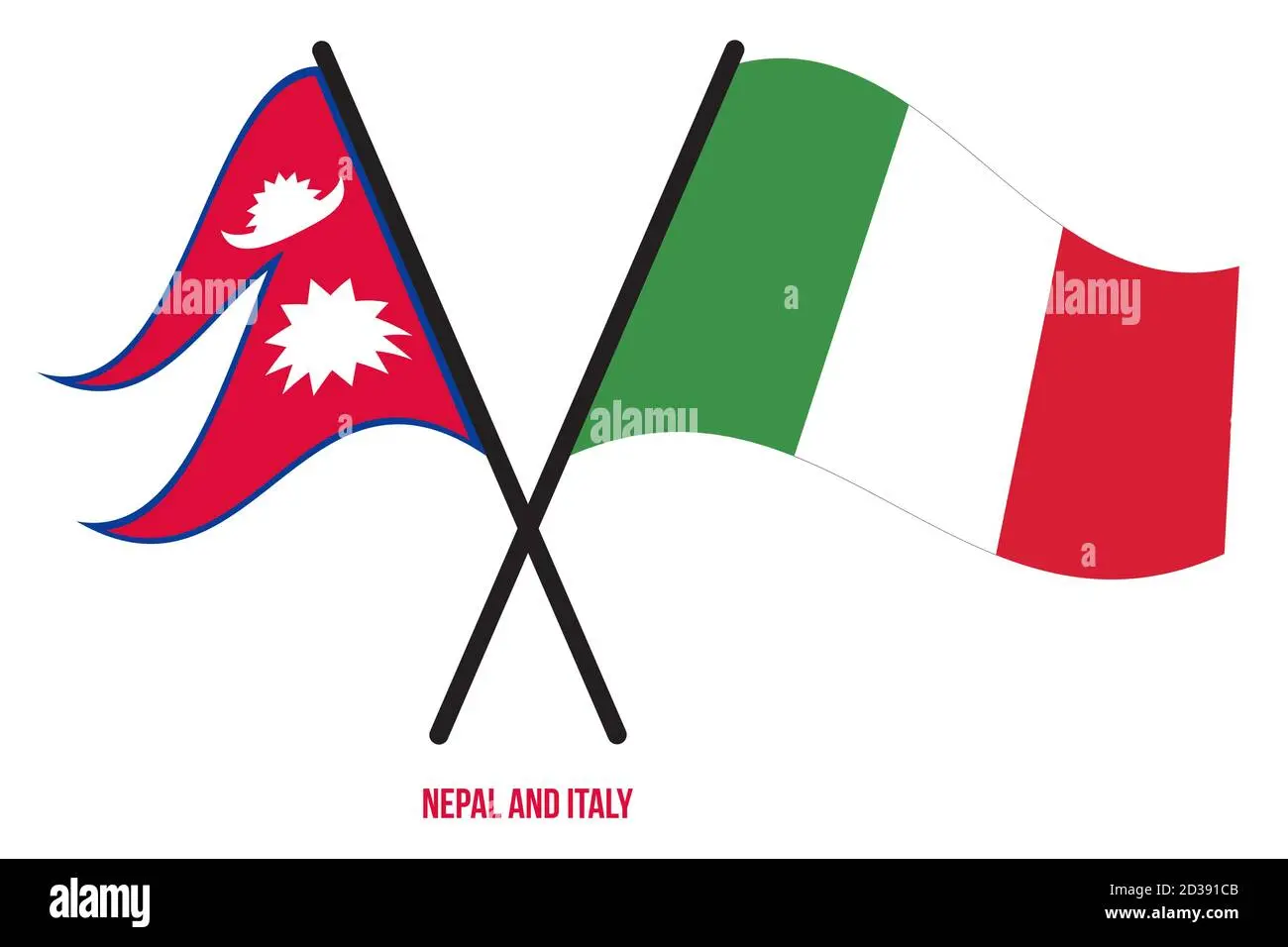
Nepal and Italy are two countries that present remarkable contrasts in geography, culture, and economy. Nepal, nestled in the Himalayas, is renowned for its breathtaking landscapes and the birthplace of Buddha, while Italy, with its rich history and cultural heritage, is home to world-renowned art, architecture, and cuisine. Understanding the differences and similarities between these two nations can provide valuable insight into their respective roles on the global stage.
Cultural Highlights
Nepal boasts a diverse cultural tapestry, influenced by its ethnic groups and historical traditions. The country is celebrated for its festivals, such as Dashain and Tihar, where communities come together to celebrate religion and harvests. On the other hand, Italy is a cultural powerhouse, famed for its contributions to the Renaissance and a culinary scene that attracts food lovers from around the world. From pasta to gelato, Italy’s cuisine is a significant aspect of its identity.
Economic Overview
Economically, Nepal relies heavily on agriculture, tourism, and remittances from abroad. In 2022, tourism accounted for approximately 7.2% of Nepal’s GDP, with Mount Everest and cultural sites like Lumbini drawing millions of visitors annually. Conversely, Italy has the third-largest economy in the Eurozone, driven by manufacturing, fashion, and automotive industries. The Italian fashion market generates billions in revenue, underscoring its global influence.
Recent Developments
In recent months, both countries have experienced significant events. Nepal has been focusing on rebuilding its tourism sector post-COVID-19 while promoting sustainable tourism practices. The government aims to attract eco-conscious travelers to preserve its natural beauty. Italy, meanwhile, has been grappling with economic recovery from the pandemic. The Italian government has introduced various economic stimulus measures to revive sectors heavily impacted by lockdowns, especially tourism and hospitality.
Conclusion
Comparing Nepal and Italy offers a window into how geography, culture, and economic practices shape national identities. As both countries navigate their post-pandemic recovery, their unique attributes position them differently in the global landscape. For travelers and investors alike, understanding these dynamics could yield opportunities in tourism, cultural exchange, and economic investment.