Introduction
In recent years, concerns over microplastic contamination have surged, particularly in bottled water as consumers prioritize clean hydration. A study published in October 2023 by researchers from the University of California sheds light on the prevalent issue of microplastics in bottled water, prompting discussions on food safety and environmental impact.
Details of the Study
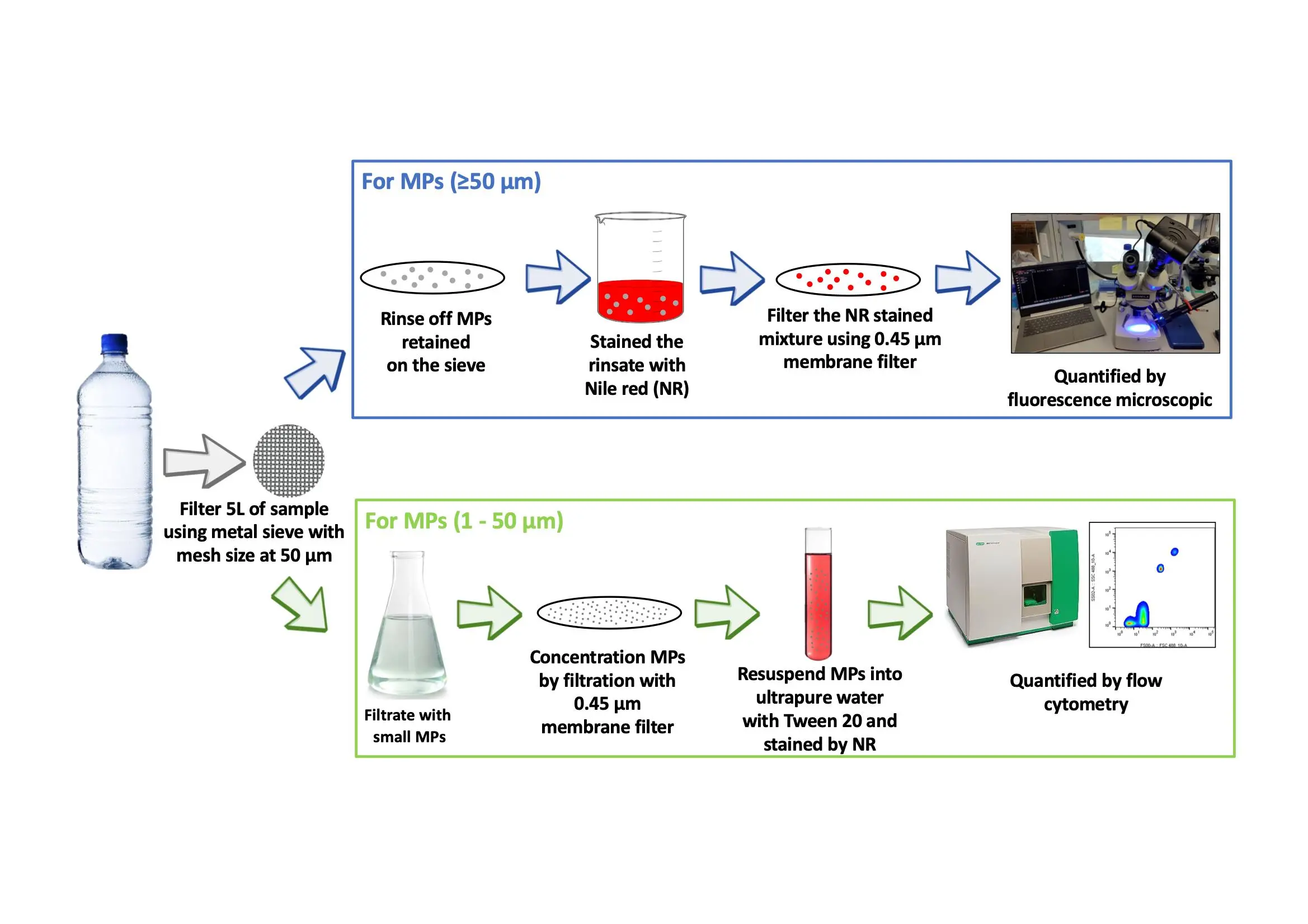
The study analyzed over 100 different brands of bottled water purchased from various retailers across the United States. Researchers employed advanced techniques to detect and quantify microplastics, discovering that approximately 93% of the samples contained at least some level of microplastic contamination. The study identified an average of 325 microplastic particles per liter of bottled water, raising alarming concerns about the potential health risks associated with regular consumption.
Among the brands tested, some were found to have significantly higher levels of microplastics than others. Bottles made of polyethylene terephthalate (PET) were common culprits, indicating that plastics that are not properly recycled or managed can contribute to contamination. The study concluded that the most frequently detected microplastics were fragments and fibers, suggesting these may arise from the manufacturing process or the bottling environment itself.
Implications for Consumers and Industry
The implications of these findings are profound. Consumers who often rely on bottled water may unknowingly ingest microplastics, which some studies have linked to a range of health issues, including potential hormonal disruption and inflammatory responses. As awareness of microplastics continues to grow, it places pressure on bottled water manufacturers to improve their filtration processes and materials used in packaging.
Health authorities and environmental organizations are closely monitoring these developments, with calls for regulatory action to ensure water safety. Additionally, scientists emphasize the need for further research to understand the long-term effects of microplastic consumption on human health.
Conclusion
The bottled water microplastic study serves as a wake-up call for both consumers and the bottled water industry. As plastic pollution becomes a more pressing global issue, the findings may encourage individuals to consider other sources of drinking water, such as tap water or filtration systems. Future research and stricter regulations may lead to safer products and a reduction in plastic waste, ultimately protecting public health and the environment.
