Introduction
Nico Harrison has emerged as a pivotal figure in the world of basketball management, particularly known for his role as the general manager of the Dallas Mavericks. His journey is significant not only for his remarkable transition from player to management but also for his influence on the team’s strategic direction following the retirement of Dirk Nowitzki. As the NBA continues to evolve, Harrison’s approach to building a winning team represents a modern take on player management and development.
Background and Career Path
Nico Harrison was born in 1973 in the United States and played collegiate basketball at Oregon State University. After college, he pursued a career in sports management, which eventually led him to work as an executive for Nike. During his 19 years at Nike, he honed his skills and built strong relationships within the basketball community, which later proved integral to his role in the NBA.
In 2021, Harrison was appointed as the general manager of the Dallas Mavericks. This marked a groundbreaking moment not only for him but also for the organization as a whole, as he became one of the few African American GMs in the league. Under his leadership, the Mavericks aimed to develop a competitive roster by focusing on player recruiting, analytics, and fostering a culture of inclusivity.
Recent Developments
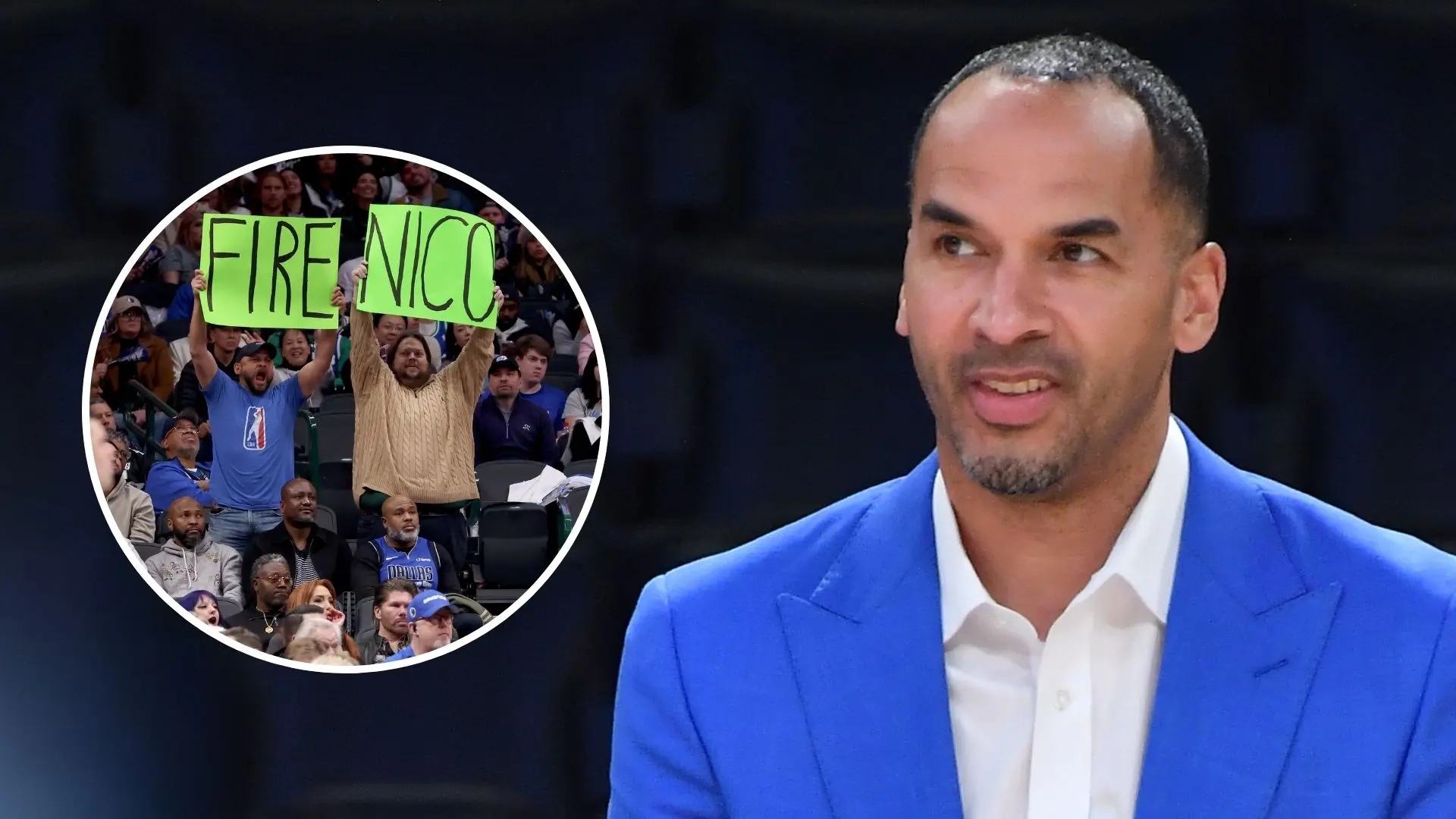
Since his appointment, Harrison has made significant moves to reshape the Mavericks’ roster. One of his notable decisions included acquiring star player Kyrie Irving, aiming to create a dynamic duo alongside Luka Dončić, a strategy that demonstrates his commitment to building a championship-caliber team. In recent months, Harrison has faced challenges with player injuries and performance inconsistencies, which have put significant pressure on his management style. Regardless, he has maintained a clear vision for the Mavericks, focusing on player development and creating a winning environment.
Conclusion
Nico Harrison’s journey is a testament to the changing landscape of basketball management. As he continues to navigate the complexities of NBA operations, his strategies and insights hold critical implications for both the Mavericks and the league. Fans and analysts alike are watching closely to see how his approach influences the team’s success in the upcoming seasons. With strong foundations in player relationships and a focus on future development, the Dallas Mavericks may very well find themselves as contenders once again, under Harrison’s guidance.