Introduction
Northrop Grumman is at the forefront of aerospace and defense technology, playing a vital role in national security and technological advancement. With a history dating back to 1939, this multinational aerospace and defense technology company continues to lead innovations in various sectors, including unmanned systems, cyber security, and space exploration.
Recent Developments
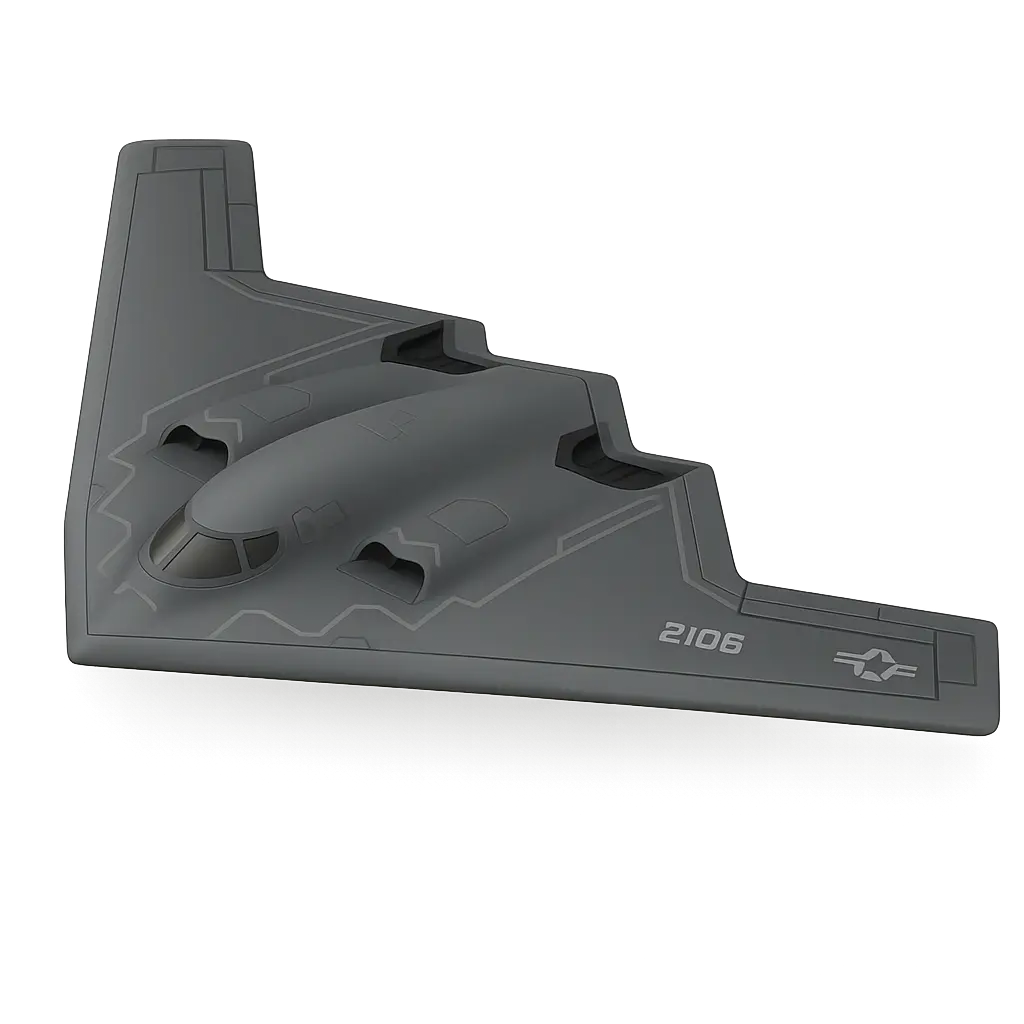
In recent months, Northrop Grumman has made significant strides in various projects. In August 2023, the company successfully completed its first flight of the B-21 Raider, an advanced long-range stealth bomber set to replace the aging B-1 and B-2 bombers. This aircraft represents a leap in military technology, incorporating advanced stealth capabilities and cutting-edge sensor suites designed to operate in contested environments.
Additionally, Northrop Grumman has been awarded a multi-billion dollar contract by the U.S. Navy for the development of the next-generation F/A-18 Super Hornet. This contract, announced in September 2023, aims to enhance the fighter jet’s capabilities through improved avionics and weapon systems, ensuring that the Super Hornet remains a key asset in America’s naval aviation strategy.
Impact on National Security
The innovations by Northrop Grumman are crucial for maintaining national security amidst evolving global threats. By developing advanced defense systems and technologies, the company contributes significantly to the U.S. military’s ability to deter adversaries and respond effectively to emerging challenges. Their work on autonomous systems, including drones and robotic technologies, also reflects a shift towards more technologically-driven military strategies.
Future Outlook
Looking ahead, Northrop Grumman is expected to continue its focus on innovation. The push towards greater automation and artificial intelligence will likely drive many of their future projects, enhancing operational efficiency and effectiveness. Furthermore, with the recent emphasis on space security, Northrop Grumman’s initiatives in satellite technology and space systems are poised to grow, responding to the increasing importance of space as a domain of military competition.
Conclusion
As a leader in aerospace and defense, Northrop Grumman’s innovations and developments are not only pivotal for U.S. national security but also set the stage for future advancements in military technology. Stakeholders in both the defense sector and broader technology industries should closely monitor Northrop Grumman’s initiatives, as they will profoundly impact military strategy and technological integration in the years to come.