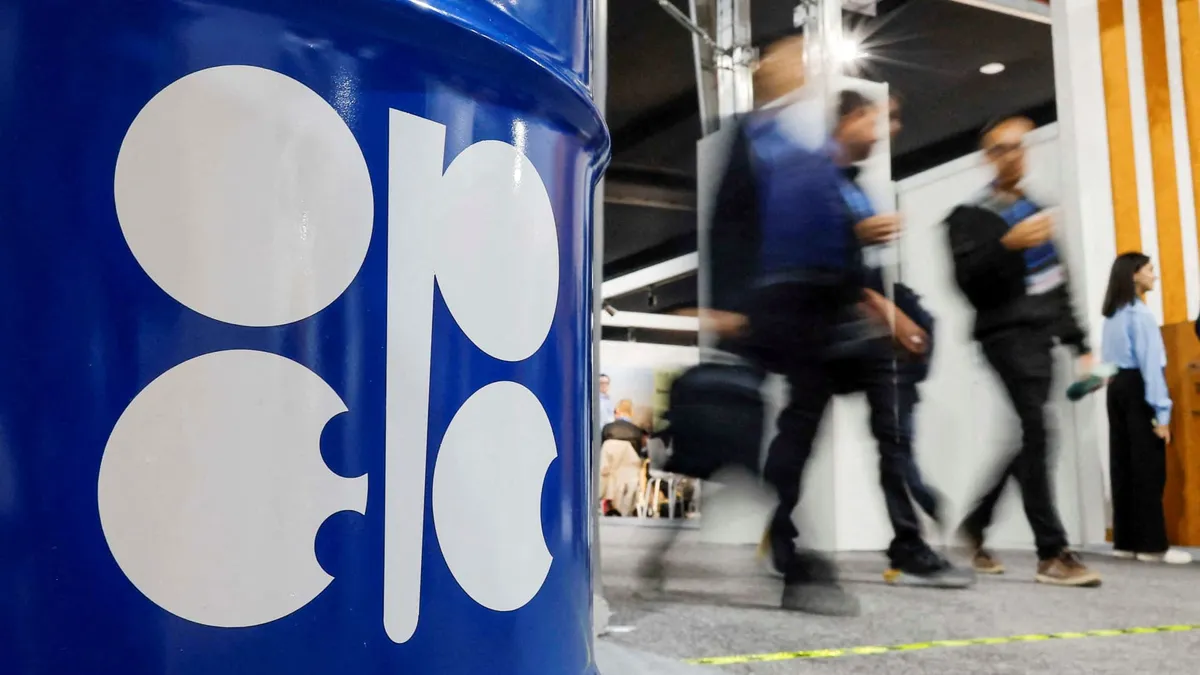
The United Arab Emirates is leaving OPEC, marking a significant shift in the oil cartel’s dynamics and its ability to control the global oil market. The UAE’s departure will take effect on May 1, 2026, after nearly 60 years of membership.
The UAE joined OPEC in 1971, shortly after becoming a sovereign nation. Since then, it has become a major player within the organization, ranking third in oil output behind Saudi Arabia and Iraq. The UAE’s exit allows it greater flexibility to increase oil production as global energy demand evolves.
Officials stated that the decision was a “sovereign national decision” based on long-term economic priorities. However, the UAE did not consult with other producers, including Saudi Arabia, before making this choice.
Key facts:
- The UAE has been an OPEC member for nearly 60 years.
- The UAE’s oil output was the third largest in OPEC.
- The departure is expected to weaken OPEC’s ability to control the oil market.
Jorge Leon, an analyst, remarked that the UAE withdrawal marks a significant shift for OPEC. The move could alter how energy markets function globally. As nations adapt their strategies for energy production and consumption, this change may have lasting implications.
Suhail al-Mazrouei from the UAE noted that being free from OPEC obligations would provide them with more flexibility in their production decisions. This could impact pricing and supply chains across various markets.