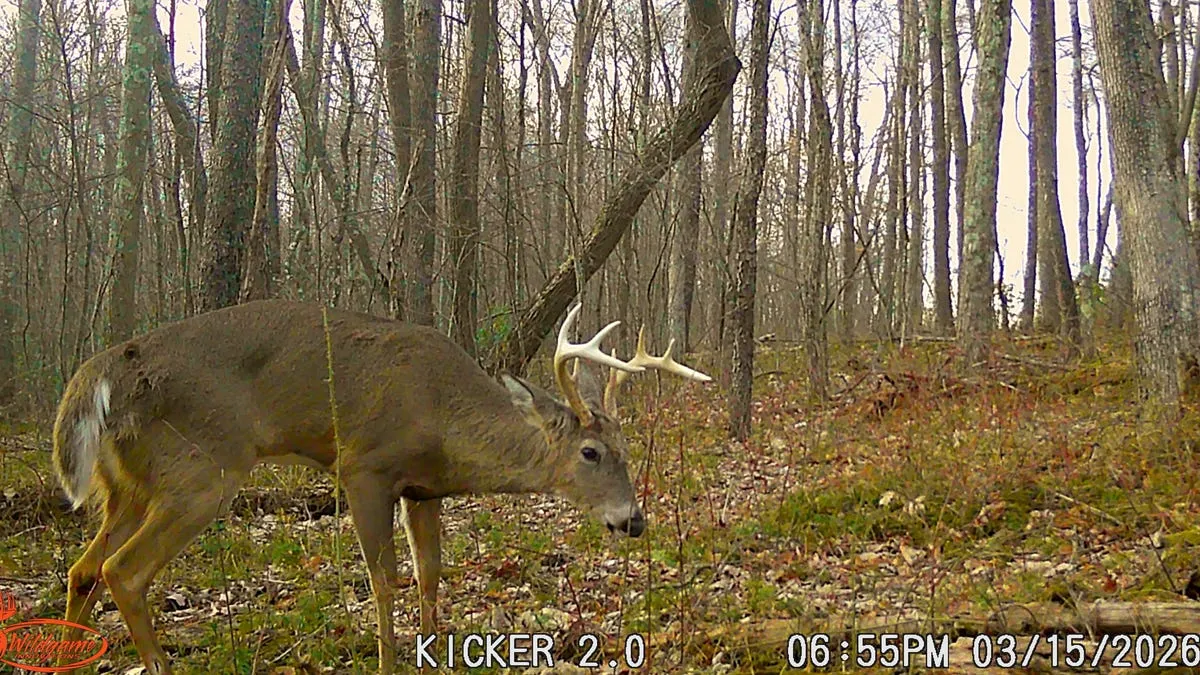
The Pennsylvania Game Commission has approved the hunting seasons for the 2026-27 license year on April 11, 2026. This decision introduces several changes aimed at enhancing the hunting experience across the state, including expanded opportunities for hunters and adjustments to existing regulations.
Among the most notable changes is the inclusion of Sundays in most hunting seasons, a significant shift from previous regulations that restricted hunting to weekdays and Saturdays. However, this change does not apply to migratory game birds. Additionally, hunters will have access to more than 1.4 million antlerless deer licenses, an increase from the previous year’s allocation of 1,312,000 licenses.
The allocation for antlerless deer licenses has been raised to 1,469,000 for the 2026-27 season, providing hunters with greater opportunities to participate in deer hunting. Furthermore, the bag limit for wild turkeys has been set at one spring gobbler, which is expected to streamline hunting practices and contribute to wildlife management efforts.
Minor adjustments have also been made to the date structures of deer hunting seasons, aimed at reducing complexity for hunters. These changes are part of a broader effort by the Pennsylvania Game Commission to simplify regulations and enhance the overall hunting experience.
In addition to deer hunting, the commission has approved a longer archery bear season in Wildlife Management Units (WMUs) 3C and 3D. This extension is expected to provide more opportunities for bear hunters, aligning with the commission’s goals of effective wildlife management.
Moreover, a new early October firearms season segment for elk has been introduced, allowing hunters to pursue elk earlier in the season. The late firearms elk season has also been rescheduled to later in January to avoid conflicts with holiday activities, reflecting the commission’s responsiveness to hunter feedback.
Overall, these changes represent a significant evolution in Pennsylvania’s hunting regulations, with the commission emphasizing the importance of adapting to the needs of hunters while ensuring sustainable wildlife populations. The commission’s proactive approach aims to balance recreational opportunities with conservation efforts.
As the hunting community reacts to these changes, officials from the Pennsylvania Game Commission have expressed optimism about the upcoming seasons. They believe that the adjustments will not only enhance the hunting experience but also contribute to responsible wildlife management across the state.