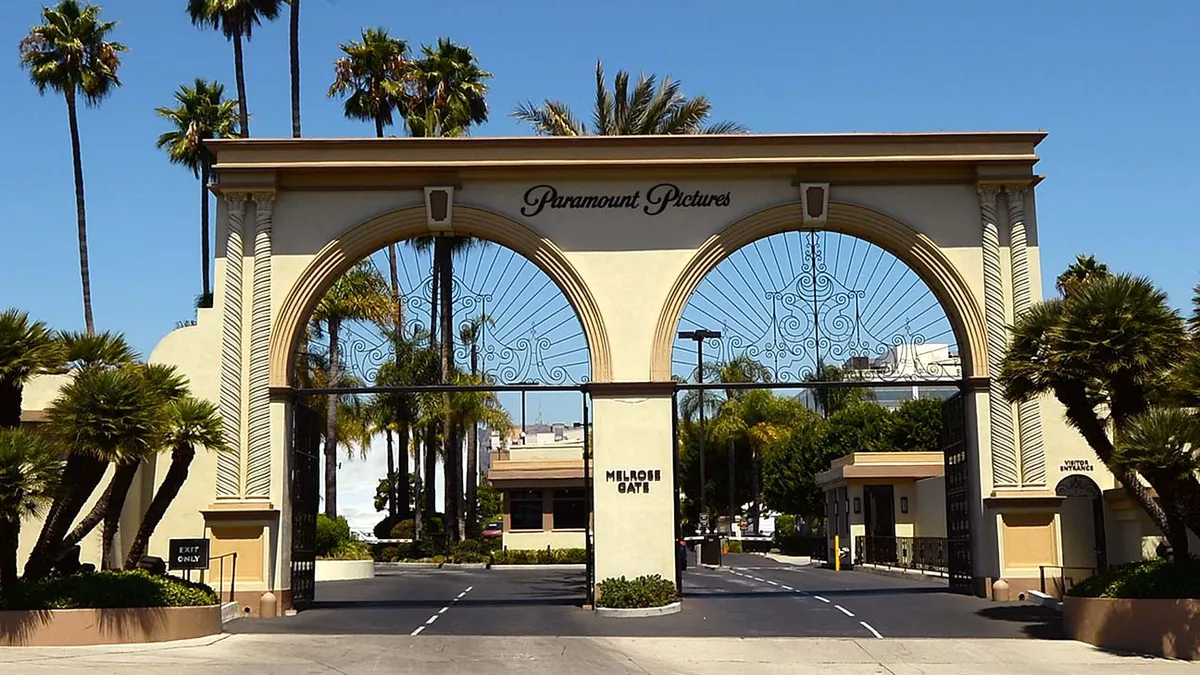
What does the Paramount acquisition mean for the entertainment industry?
Paramount Skydance’s recent acquisition of Warner Bros. Discovery raises a pivotal question: How will this $111 billion deal reshape the landscape of Hollywood? The answer lies in the strategic consolidation of operations and the commitment to maintaining both studios’ identities.
Paramount plans to keep both studios operational, with each expected to release approximately 15 films annually. This approach aims to leverage the strengths of both entities while maximizing their production capabilities.
The merger’s strategic focus is on consolidating many studio operations around the Warner Bros. lot in Burbank, a prime location in Hollywood. As Nicole Mihalka noted, “Both of these studios are in the core [30-mile zone,] the inner circle of where Hollywood talent wants to be.” This centralization is anticipated to enhance collaboration and efficiency in film production.
Additionally, Paramount is exploring options to lease out space for film productions and commercial offices, further capitalizing on the valuable real estate of the Paramount lot. Gerry Cardinale emphasized that there are no plans to sell off the studio lots, indicating a long-term vision for the properties involved.
Despite the ambitious plans, Paramount Skydance’s stock has faced challenges, trading around $11.99, reflecting a 36.3% decline over the past three years. This backdrop adds a layer of complexity to the merger, as stakeholders look for signs of recovery and growth.
The acquisition is described as the largest media industry transaction of the decade, with executives from both companies expressing optimism about the future. Ted Sarandos and Greg Peters stated, “The transaction we negotiated would have created shareholder value with a clear path to regulatory approval.” David Zaslav also expressed satisfaction with the outcome for Warner Bros. Discovery shareholders and the broader entertainment industry.
As the merger unfolds, industry observers will be watching closely to see how these two major players navigate the evolving landscape of film and television production. What remains to be seen is how effectively they can integrate their operations and respond to the competitive pressures of the media market.
Details remain unconfirmed regarding the specific operational changes and the timeline for the merger’s full implementation. However, the implications of this acquisition are already being felt across Hollywood, signaling a new era in entertainment.