The wider picture
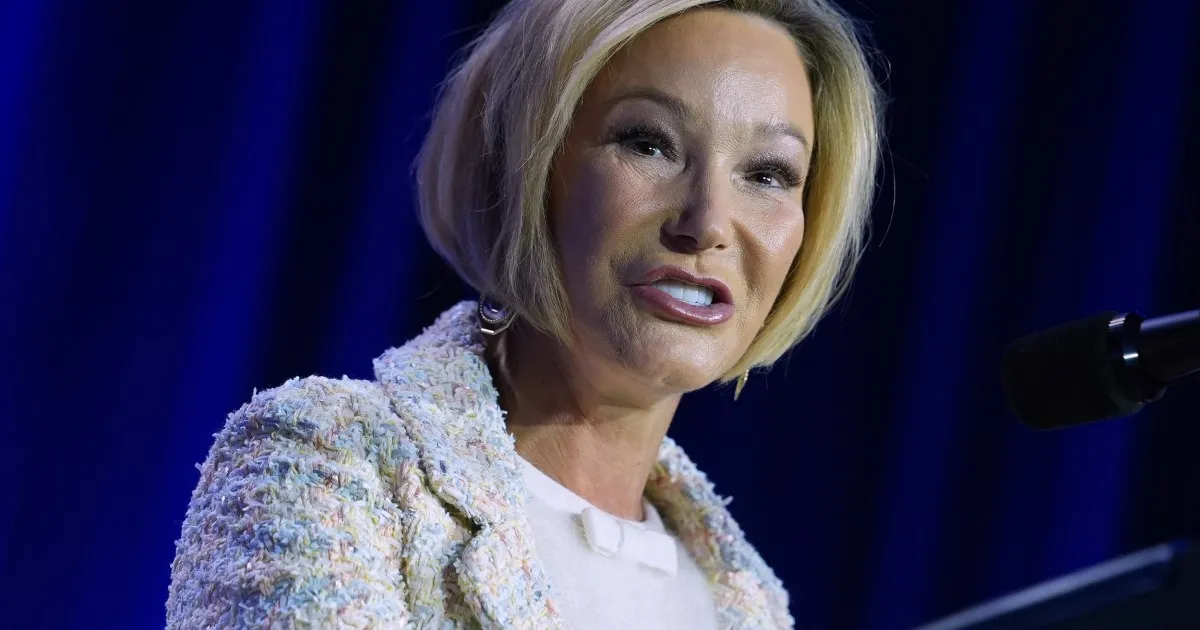
Paula White was first officially appointed to the White House in 2019 as a religious advisor under the Office of Public Liaison. Since then, she has been a prominent figure within the MAGA movement, often stirring controversy with her statements and actions. White has claimed that the White House is ‘holy ground’ and has urged her followers to donate a portion of their income to support her ministry. Her relationship with Donald Trump dates back to 2002, when he reached out to her after a television appearance, and she was selected to speak at his inauguration in 2017.
On April 2, 2026, during an Easter lunch event at the White House, White made headlines by comparing President Trump to Jesus Christ. She stated, “Jesus taught so many lessons through his death, burial, and resurrection. He showed us great leadership, great transformation requires great sacrifice. And Mr. President, no one has paid the price like you have paid the price. It almost cost you your life.” This statement was met with applause from attendees at the event, but it quickly drew backlash from various quarters.
Critics, including both liberals and conservatives, condemned White’s remarks. Catholic theologian Rich Raho described her comments as ‘blasphemous,’ emphasizing the inappropriateness of comparing a political figure to a religious icon. He remarked, “It’s stunning to see a US Bishop standing right there on the stage while Paula White compares Trump to Jesus Christ.” Reverend Benjamin Cremer added, “This is what it sounds like to take Jesus’ name in vain,” highlighting the perceived sacrilege of the comparison.
The backlash against White’s comments reflects a broader concern about the intertwining of politics and religion in contemporary America. Many observers argue that such comparisons diminish the significance of religious figures and can alienate individuals who hold different beliefs. White’s remarks have reignited discussions about the role of faith in politics, particularly within the context of the Trump administration.
The event was initially closed to the press, but a video was mistakenly uploaded to YouTube, allowing the public to witness White’s comments firsthand. This incident has further fueled the controversy, as it highlights the often opaque nature of political events involving religious leaders. White’s history of controversial statements has made her a polarizing figure, even among those who support Trump.
As the fallout from White’s comments continues, observers are left to ponder the implications of her remarks for both the Trump administration and the broader religious community. The intersection of faith and politics remains a contentious issue, and White’s statements are likely to be scrutinized in the coming days. The reactions from various religious leaders and political commentators will play a significant role in shaping the narrative surrounding this event.
In the wake of this incident, it remains to be seen how White will navigate the backlash and whether her standing within the MAGA movement will be affected. The ongoing discussions about the role of religion in politics are expected to continue, with White’s comments serving as a focal point for debates about the appropriateness of such comparisons.