The numbers
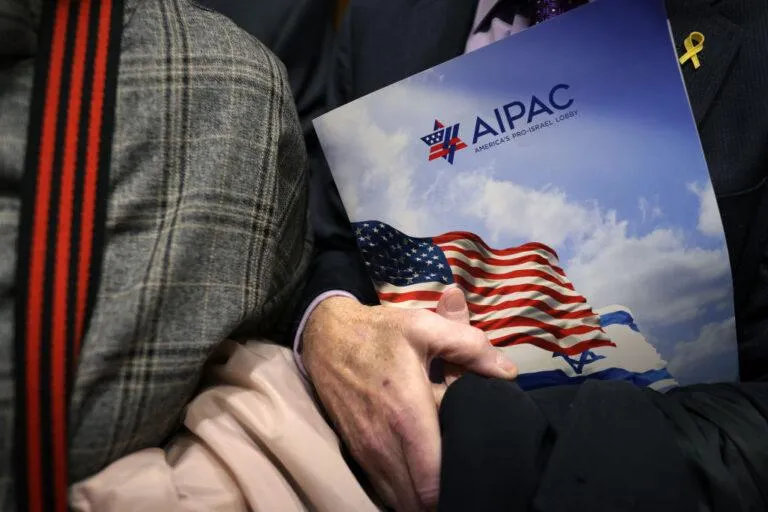
AIPAC and its affiliated groups have poured over $21 million into four open congressional races in Illinois, marking a significant investment in the political landscape of the state. This financial commitment comes at a time when AIPAC is encountering challenges within the Democratic primaries, as voter attitudes towards Israel continue to evolve.
Recent polling indicates a notable shift in sentiment among registered Democrats, with 67% expressing greater sympathy for Palestinians, compared to just 17% who sympathize more with Israelis. This change in perspective is prompting AIPAC to reassess its strategies, particularly as it seeks to influence key races.
In its efforts to sway the outcomes, AIPAC’s super PAC has spent $1.4 million specifically to oppose candidate Daniel Biss, reflecting a targeted approach to diminish the prospects of candidates aligned with the progressive wing of the party. AIPAC’s strategy appears to be focused on preventing the success of six potential Squad members in the Illinois primaries, as they represent a shift towards more progressive policies that AIPAC may find challenging.
Kat Abughazaleh, a political observer, noted, “They’re panicking because they realized that they didn’t learn a lesson from New Jersey 11,” highlighting the urgency within AIPAC as it navigates these changing dynamics. The organization’s financial influence is particularly evident in the Illinois 9th District race, where its spending is being closely scrutinized.
In addition to opposing Biss, AIPAC’s Chicago Progressive Partnership has allocated nearly $664,000 to oppose Junaid Ahmed, further illustrating its commitment to shaping the Democratic primaries. Meanwhile, the United Democracy Project has invested $5 million to bolster Melissa Conyears-Ervin, showcasing the high stakes involved in these races.
Despite the backlash against its spending and the withdrawal of endorsements from key Democratic figures, AIPAC’s involvement in the primaries is expected to persist. The organization has adapted its tactics, forming new outside groups to obscure its intentions while continuing to target candidates it perceives as threats.
Former House Democrat Jesse Jackson Jr. has also emerged as a notable figure in this landscape, backed by the artificial intelligence industry. His candidacy adds another layer of complexity to the already competitive races in Illinois.
As observers continue to monitor the situation, it remains to be seen how AIPAC’s financial strategies will play out in the upcoming primaries. The evolving voter sentiment and the organization’s response to it will be critical in determining the outcomes of these pivotal congressional races. Details remain unconfirmed.