Introduction
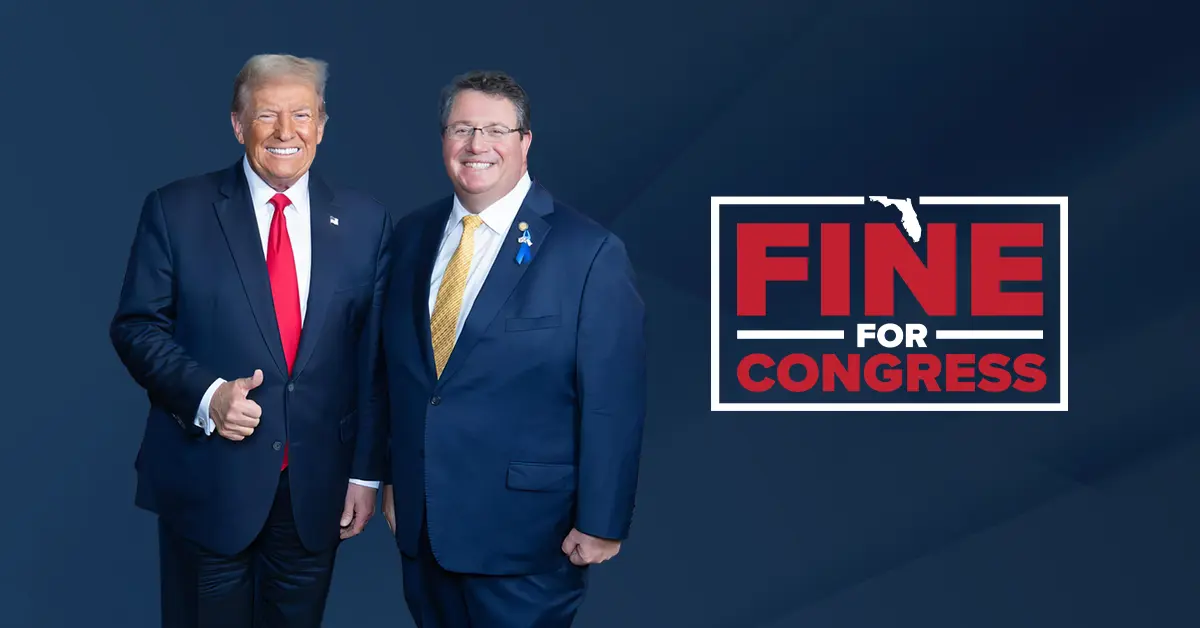
Randy Fine, a prominent figure in Florida politics, serves as a state representative for District 53. His legislative actions and opinions have made significant waves, especially with rising issues such as education and local governance. Understanding the impact of his work is essential for Floridians and political observers alike, as it informs on regional trends and the direction of state policies.
Political Background
Elected in 2016, Fine has built a reputation for being a staunch advocate of conservative values. He is known for his commitment to reducing regulation and promoting business opportunities, making him a popular figure among pro-business constituents. Fine currently serves on several key committees including the House Appropriations Committee and the Education Committee, where he influences both fiscal and educational policy.
Recent Developments
In recent months, Randy Fine has gained attention for his vocal stance on educational reforms. He has pushed for legislation aimed at increasing school choice and promoting charter schools, arguing that competition can lead to better educational outcomes for students. This has sparked significant discussions within the community, with supporters praising his initiatives as vital for economic growth, while opponents highlight potential risks to public schools.
Furthermore, Fine has been actively involved in discussions regarding state funding for public education. His legislative proposals include increased budgets for STEM programs and efforts to attract more teachers into the profession, as many schools face staffing shortages. The state’s ongoing budget negotiations will be crucial in determining how these proposals are received and implemented.
Conclusion
The impact of Randy Fine on Florida’s legislative landscape cannot be understated. As he continues to advocate for educational reforms and economic growth, his actions will be closely monitored by constituents and political analysts alike. Looking ahead, Fine’s influence may resonate in the upcoming elections, as his supporters rally for a robust educational system while critics call for protections for traditional public schooling. For voters and stakeholders, staying informed on Fine’s proposals and political maneuvers would be essential in navigating Florida’s evolving policy environment.