Before the release of Netflix’s Untold documentary, the narrative surrounding the Portland Trail Blazers, particularly during the early 2000s, was largely defined by the controversial label of the “Jail Blazers.” This term encapsulated the tumultuous reputation of the team, which included notable players like Rasheed Wallace, Damon Stoudamire, and Bonzi Wells. Fans and analysts often viewed the team through a lens of volatility and chaos, overshadowing their on-court talents and achievements.
The documentary, directed by Sascha Gardner, marks a significant shift in how this era is perceived. It delves into the cultural and racial dynamics that influenced the team’s identity, providing a more nuanced understanding of the players’ experiences. Wallace, a five-time NBA All-Star who played for the Blazers for ten seasons, reveals in the documentary, “When I went back to Portland after I was traded, I knew I was gonna get booed. I ain’t think I was gonna get booed like that.” This candid reflection highlights the complex relationship between the players and the fanbase.
One of the critical moments in the documentary is its exploration of how the media narratives shaped public perception. The film argues that while the team was indeed built to win a title, they became emblematic of the most volatile team the NBA had ever seen. This characterization not only affected the players’ careers but also had lasting implications for the franchise’s legacy. Wallace’s insights shed light on the pressures and expectations placed on the team, which often led to misunderstandings and misrepresentations.
The documentary features other prominent figures from that era, including Gary Payton, who also reflects on the challenges faced by the team. The inclusion of these voices adds depth to the narrative, illustrating that the issues were not solely the result of individual actions but were also influenced by broader societal factors. The film does not shy away from the controversies but instead seeks to provide context, stating, “The documentary doesn’t erase controversy or excuse poor behavior, but it provides nuance missing from the ‘Jail Blazers’ brand narrative that persisted for decades.”
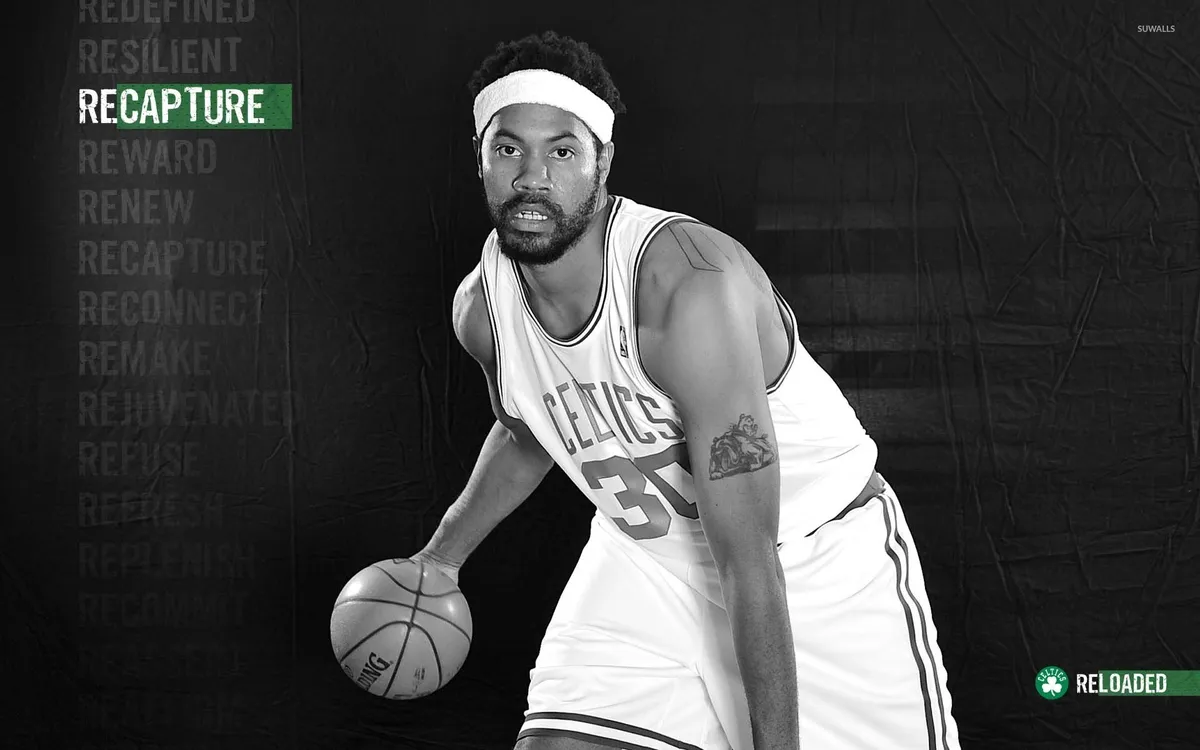
Rasheed Wallace’s career, which culminated in an NBA championship with the Detroit Pistons, is a testament to his resilience and talent. After being traded to the Atlanta Hawks in 2004, he continued to excel, ultimately retiring in 2013. His journey from a young player facing significant personal challenges in Germantown, Philadelphia, to a celebrated athlete with an estimated net worth of $100 million, underscores the transformative power of sports.
The impact of Wallace’s narrative extends beyond his personal achievements. The documentary serves as a reminder of the importance of understanding the human stories behind the headlines. It invites viewers to reconsider their perceptions of athletes and the environments in which they operate. As Wallace reflects on his past, he acknowledges the complexities of his experiences, saying, “I wake up to my wife hitting me, ‘What’d you do last night?'” This statement encapsulates the ongoing scrutiny athletes face, both on and off the court.
As the documentary gains traction, it is likely to influence how future generations view the Portland Trail Blazers and their legacy. By addressing the cultural and racial narratives that defined the team, it opens the door for a more comprehensive understanding of the challenges faced by athletes in similar situations. The shift in perspective brought forth by Wallace and his peers may pave the way for a reevaluation of the past, allowing for a more balanced narrative to emerge.