Introduction
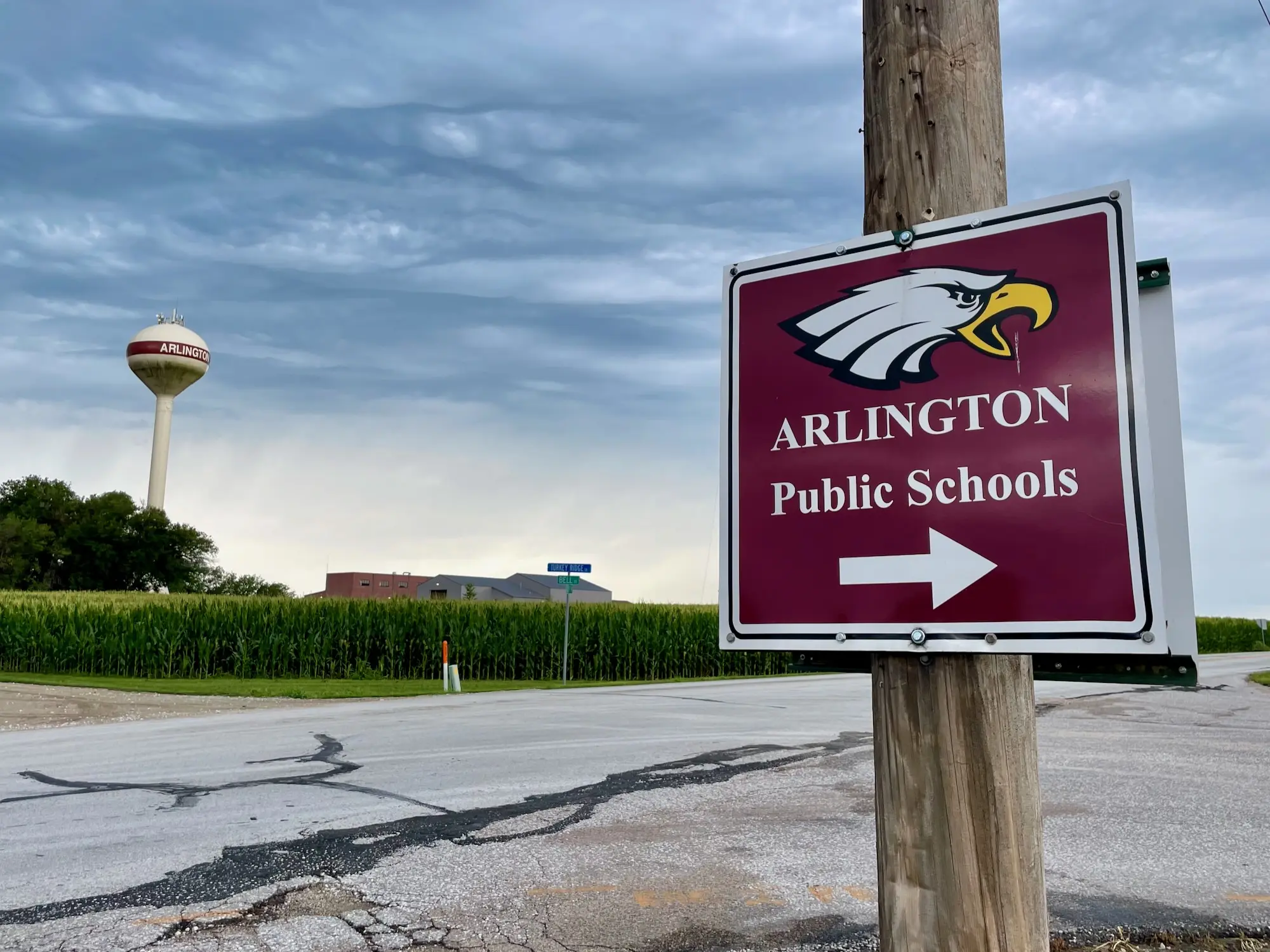
Arlington Public Schools (APS) plays a vital role in the educational landscape of Arlington, Virginia, serving over 27,000 students in its schools. With a commitment to providing quality education, APS has emerged as a critical institution affecting the lives of many children and families. Recent changes and initiatives within the district have made headlines, highlighting the ongoing efforts to enhance educational quality and equity within the community.
Recent Initiatives
As part of their mission to deliver a world-class education, Arlington Public Schools has recently implemented several initiatives aimed at improving student outcomes. In the 2023 school year, the school board approved a budget increase focusing on mental health resources and support systems for students and staff. This funding will allocate more counselors and mental health professionals in schools, addressing the rising needs brought on by the pandemic.
Additionally, APS has introduced new STEM programs incorporating project-based learning to foster critical thinking and innovation among students. The integration of technology into classrooms also continues to be a focus area, with investments in digital learning tools and resources to enhance the overall learning experience.
Pandemic Recovery Strategies
In light of the challenges posed by COVID-19, Arlington Public Schools has adopted proactive recovery strategies. These include extended summer programs aimed at reducing learning loss and tailored tutoring programs to support students who struggled with remote learning. The school district has reported positive feedback from both parents and students, indicating improved academic engagement and performance.
Community Engagement
Another significant development within APS is the increased emphasis on community engagement. The school board has been hosting town hall meetings to encourage feedback from parents and community members. This initiative seeks to ensure that the voices of families are considered in decision-making processes, including transportation policies that impact school commutes.
Conclusion
The ongoing developments in Arlington Public Schools reflect a dedication to improving educational quality and responsiveness to community needs. With increased funding for mental health resources, innovative program introductions, and enhanced community involvement, APS is set on a path toward fostering an inclusive and supportive learning environment. As these initiatives unfold, they hold the potential to make a lasting positive impact on students and families in Arlington, paving the way for a future where every student can thrive.