Introduction
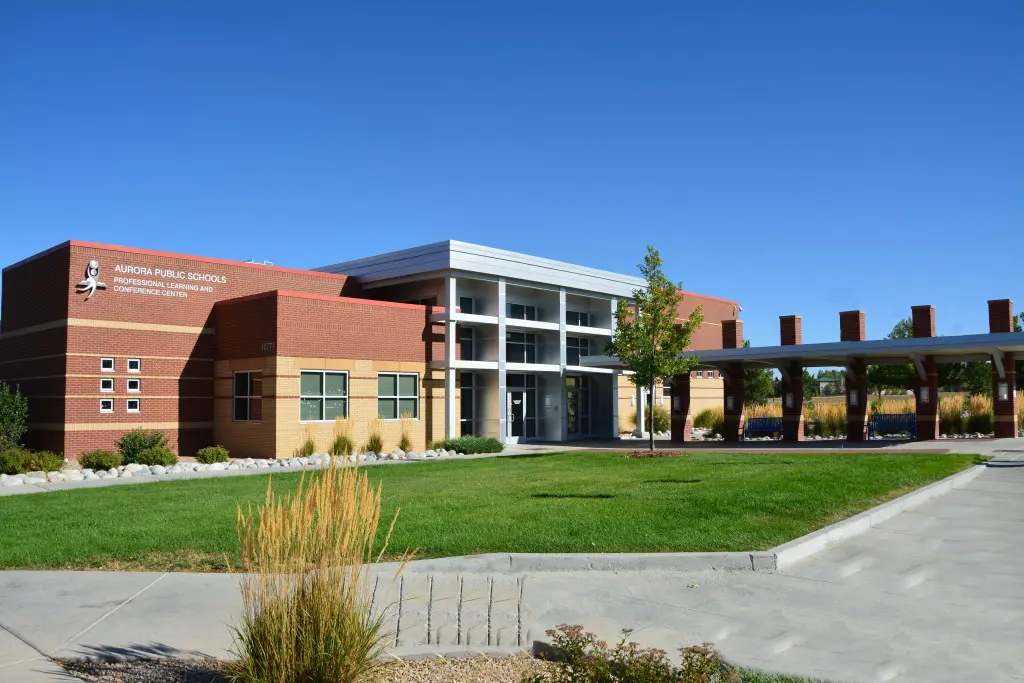
Aurora Public Schools (APS) holds significant importance in shaping the educational landscape for students in Aurora, Colorado. As one of the largest school districts in the state, responsible for over 40,000 students, the effectiveness of APS directly influences academic outcomes and community development. Recent initiatives being implemented highlight a commitment to provide high-quality education while addressing challenges such as equity and access.
Current Initiatives and Changes
In light of the challenges posed by the COVID-19 pandemic, APS has taken various steps to enhance learning conditions for students. One notable initiative is the expansion of mental health resources. In collaboration with local organizations, the district has increased counseling services within schools to cater to the growing needs for emotional support. This initiative is critical as many students face anxieties and pressures stemming from both the pandemic and social dynamics.
Additionally, APS has announced a new program aimed at integrating technology into classrooms. With the rise of digital learning, APS is investing in updated devices and training for teachers. This program is designed to ensure not only that students have access to technological resources but also that educators are equipped with the skills necessary to utilize these resources effectively.
Addressing Equity in Education
A significant area of focus for APS has been equity in education. School officials are actively working to bridge the gap for historically underrepresented student populations. This includes bilingual education programs and tailored curricula that celebrate cultural diversity. The district’s efforts are reinforced by community involvement, which has resulted in constructive dialogue about the specific needs of different student groups.
Future Outlook
The future of Aurora Public Schools appears optimistic, with plans for continued resource allocation to both mental health services and technology integration. District leaders project that as these initiatives progress, they will foster an environment conducive to improved student performance and overall wellbeing. Looking ahead, active participation from parents and the community will be essential to ensure that these efforts yield the desired outcomes.
Conclusion
In conclusion, Aurora Public Schools is poised for a transformative period as it addresses the pressing needs of its students through innovative programs aimed at enhancing educational quality and equity. As the district implements these forward-thinking strategies, its impact on students and the broader community will be closely watched, potentially serving as a model for other school districts navigating similar challenges.