Introduction
Law and order is a critical concept in every society, providing the framework for maintaining peace, safety, and justice. The importance of this topic has been magnified in recent years, especially with ongoing discussions surrounding crime rates, police reform, and community safety. Understanding the current state of law and order helps citizens navigate their rights and responsibilities while assessing the effectiveness of law enforcement and judicial systems.
Current Trends in Law and Order
In 2023, the United States continues to face challenges regarding law and order. Following nationwide protests advocating for police reform and social justice, several states have implemented changes aimed at increasing transparency and accountability within police departments. For instance, as of June 2023, New York City has introduced new policies mandating the use of body cameras at all times during officers’ interactions with the public.
Simultaneously, crime rates have been fluctuating. According to the FBI’s annual crime report released in October, violent crimes have seen an increase of 5% compared to 2022, although property crimes have decreased by 3%. This mixed bag of statistics has encouraged further discussions on public safety strategies and the effectiveness of contemporary policing methods.
Community Responses and Initiatives
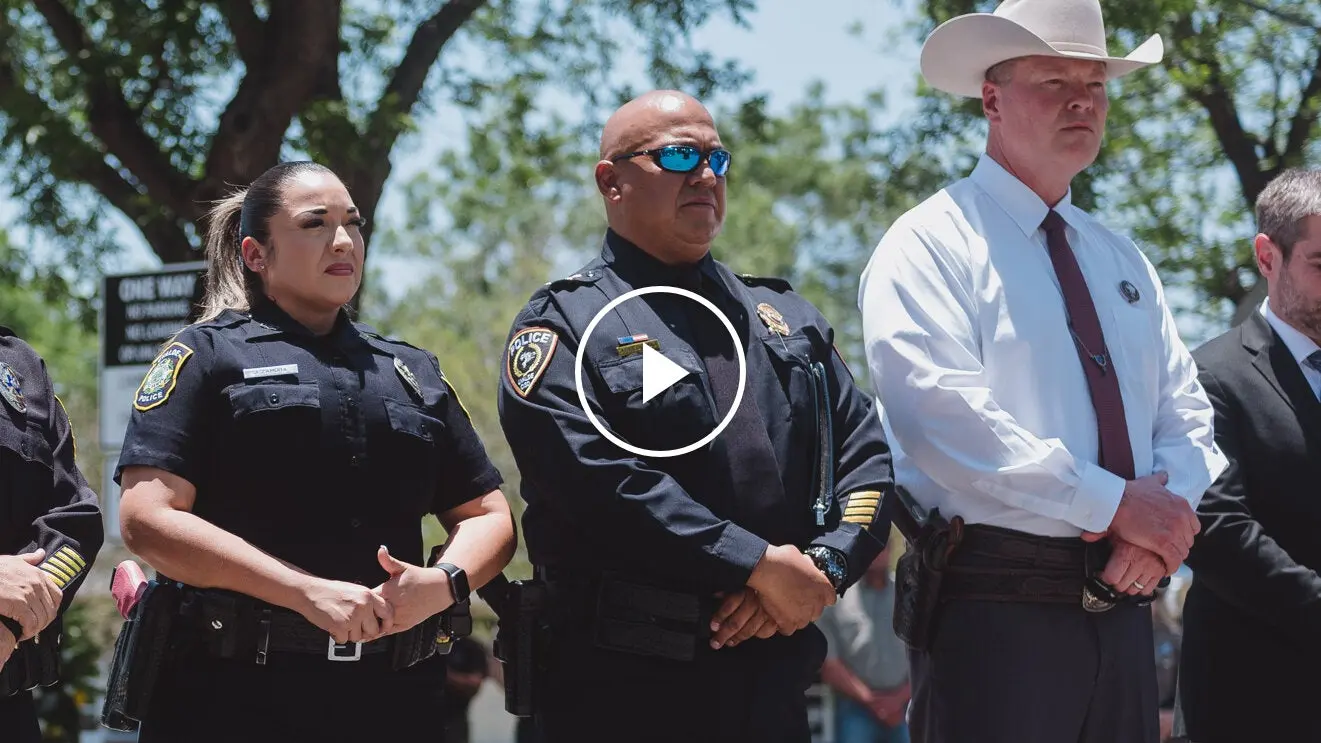
In response to these trends, community groups are increasingly collaborating with law enforcement agencies to enhance local safety measures. Initiatives such as neighborhood watch programs and community policing efforts seek to build trust and cooperation between citizens and police officers. Programs in cities like Atlanta and Chicago have reported improved relations and lower anxiety levels among residents, showcasing the importance of community engagement in reinforcing law and order.
Conclusion
As we move towards the end of 2023, the conversation surrounding law and order will likely continue evolving. The significance of these developments goes beyond statistics; they affect the daily lives of citizens across the nation, shaping perceptions of safety and trust in law enforcement. Ongoing analysis of crime data and community-police relations will be vital for policymakers as they work to balance effective enforcement with civil rights. Looking ahead, it is crucial for stakeholders to prioritize collaboration and transparency to create a sustainable law and order environment that serves the needs of every member of society.