Introduction
The Department of Justice (DOJ) is vital to the enforcement of the law and the safeguarding of citizens’ rights in the United States. As a key component of the federal government, the DOJ oversees a wide range of legal matters, from criminal prosecution to civil rights enforcement. Recent developments within the department reveal significant changes and initiatives that could have lasting impacts on American society, particularly in areas such as law enforcement, immigration, and civil rights.
Key Initiatives and Changes
In October 2023, the DOJ announced a new initiative aimed at enhancing public safety and reducing violent crime across major cities in the U.S. This initiative includes increased funding and resources for local and state law enforcement agencies, designed to support community policing efforts. Attorney General Merrick Garland emphasized the importance of collaboration between federal and local authorities in addressing the rising crime rates, particularly those related to gun violence.
Additionally, the DOJ has recently made headlines with its renewed focus on combatting domestic extremism. A report released in September highlighted an increase in investigations related to domestic terrorism, primarily from groups motivated by political and ideological beliefs. The department is reallocating resources to better equip it to handle these rising threats, aiming to ensure the safety and rights of all citizens.
Challenges Faced by the DOJ
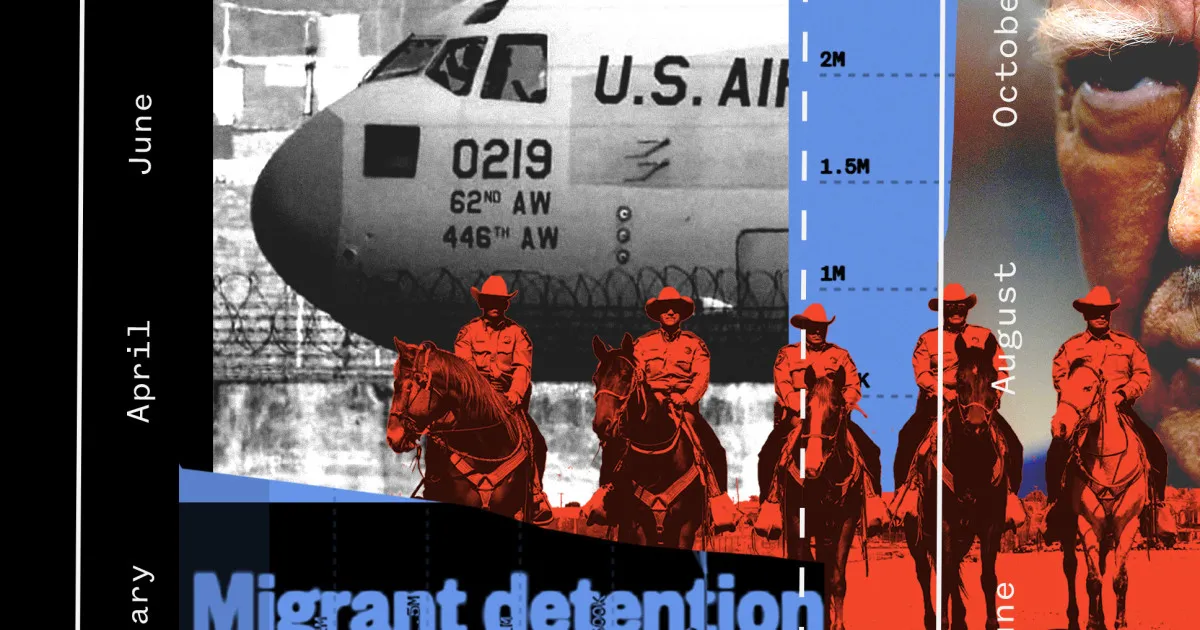
Despite these initiatives, the DOJ faces numerous challenges. One of the most pressing issues is the ongoing debates surrounding immigration policy. The department is tasked with enforcing immigration laws while also ensuring the humane treatment of individuals seeking asylum or legal residency in the U.S. The Biden administration has signaled an approach focused on compassion and reform, but it continues to face legal challenges that complicate these efforts.
Moreover, the DOJ is under scrutiny regarding its handling of civil rights complaints. Recent reports by watchdog organizations have raised concerns over the department’s response times and outcomes in civil rights investigations, particularly those involving police misconduct. This raises questions about accountability and the department’s commitment to justice for marginalized communities.
Conclusion
The Department of Justice plays a crucial role in maintaining law and order, and its latest initiatives underscore a proactive approach to pressing societal issues. However, challenges, including ongoing debates over immigration policy and civil rights enforcement, remain significant hurdles. Observers will be closely watching how the DOJ navigates these complexities in the months ahead, as its actions could not only shape legal precedents but also influence public perception of justice in America.