Introduction
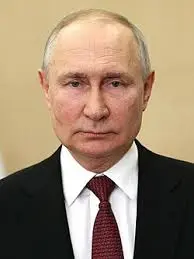
Vladimir Putin, the President of Russia, remains one of the most influential and controversial figures in global politics. His tenure has been marked by significant geopolitical tensions, particularly in relation to Ukraine, NATO, and Western sanctions. Understanding his actions and policies is crucial for comprehending current international relations and the stability of Eastern Europe.
Current Events
As of late 2023, Putin’s administration continues to grapple with the repercussions of the ongoing conflict in Ukraine, which has escalated into a protracted war since the Russian invasion began in February 2022. Recent reports indicate that Putin is consolidating his military strategies while facing increasing pressure from international sanctions aimed to cripple the Russian economy. These sanctions have led to declines in oil exports, traditionally a major revenue source, which are compounded by the withdrawal of many Western companies from the Russian market.
In addition to economic challenges, Putin has also showed the Kremlin’s efforts to foster ties with non-Western countries, particularly China and India. Both nations have maintained strategic partnerships with Russia, providing economic support and a political counterweight against Western powers. Furthermore, with Russia’s position in the United Nations Security Council, Putin continues to influence discussions on critical global issues, from climate change to territorial disputes.
Domestic Implications
Domestically, Putin’s grip on power appears steadfast, despite potential unrest stemming from the socioeconomic impacts of the war. Recent polls suggest that public support for the Kremlin remains surprisingly high, although there are signs of fissures among the populace as living conditions decline. Repressive tactics against dissenters and independent media have intensified, leading to a stifled political landscape where opposition is often silenced.
Conclusion
Looking ahead, the significance of Putin’s governance will heavily depend on the resolution of the conflict in Ukraine and how the international community responds to Russia’s actions. Analysts suggest that unless substantial diplomatic negotiations occur, the possibility of prolonged military engagement looms large, potentially destabilizing not only Eastern Europe but also the broader global order. For observers and policymakers alike, monitoring Vladimir Putin’s strategies and international relations will be essential in forecasting future geopolitical developments.