Introduction
On September 22, 2023, a significant earthquake struck near the Wasatch Fault in Utah, measuring 5.3 on the Richter scale. This event is crucial in understanding the seismic activity in the region, given Utah’s geological history and urban developments. With a population accustomed to occasional tremors, the recent earthquake has raised concerns about preparedness and infrastructure resilience.
Details of the Earthquake
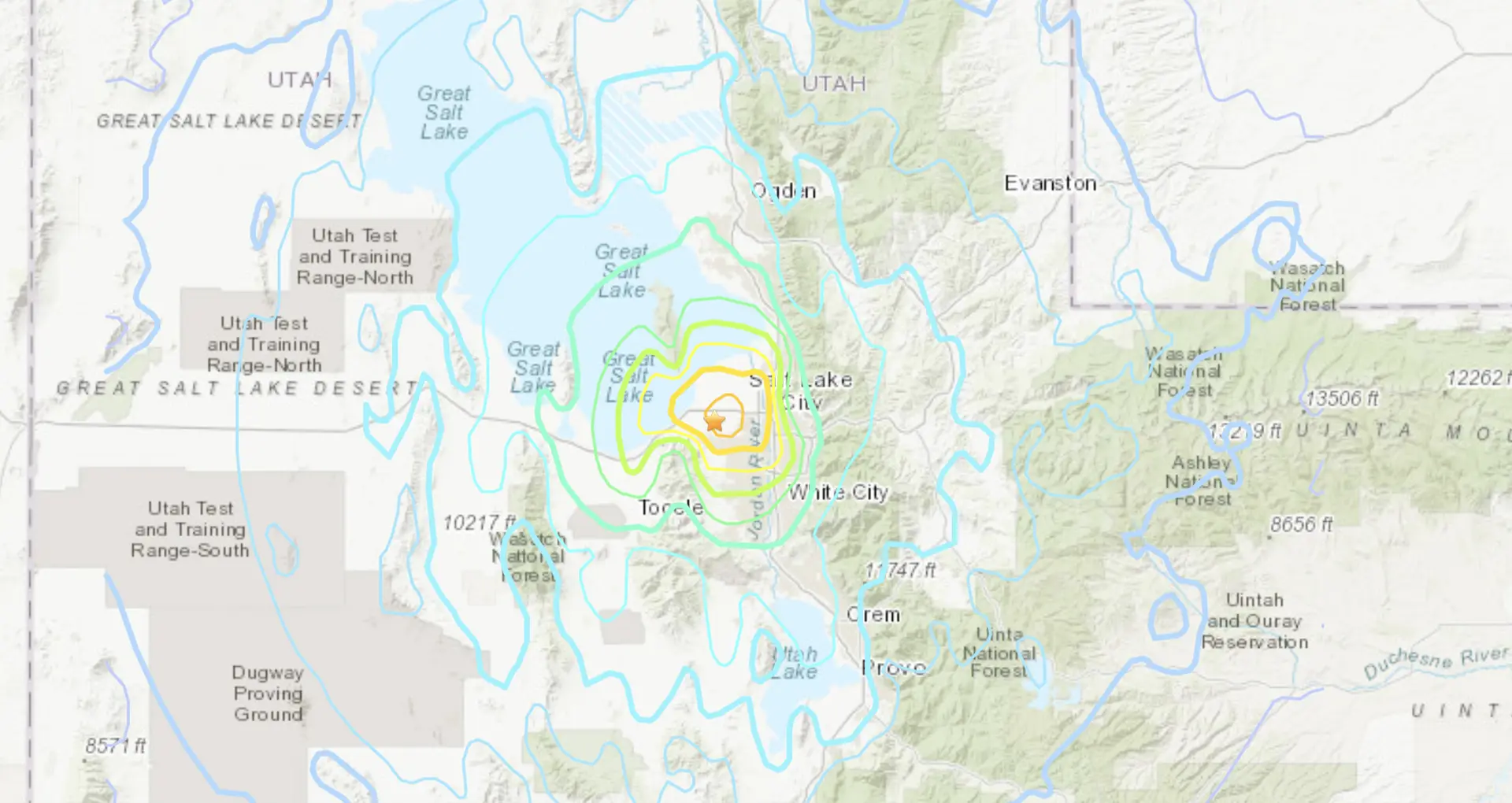
The earthquake’s epicenter was located approximately 10 miles northeast of Salt Lake City, at a depth of about 7 miles. It was felt across several states, including Idaho and Nevada, but the most intense shaking was reported in Salt Lake City. Many residents experienced rattling buildings and falling objects, with some reporting minor injuries due to debris.
Impact and Response
Despite the earthquake’s magnitude, damage reports have been relatively limited. Emergency services received numerous calls, but the majority were related to minor incidents. Officials from the Utah Geological Survey and local government are assessing the situation to ensure public safety and evaluate any potential aftershocks. Public officials urged residents to review their emergency plans and stay informed about safety protocols.
Public Preparedness and Safety Measures
In light of the recent earthquake, state officials emphasize the importance of earthquake preparedness. Utah is part of the Intermountain West seismic zone, which increases the likelihood of future seismic events. Citizens are encouraged to create emergency kits, develop family communication plans, and participate in local drills to enhance community readiness. Schools and businesses are also reminded to review their safety protocols and infrastructure integrity.
Conclusion
The recent earthquake in Utah serves as a solemn reminder of the natural forces at play in the region. As residents recover from this event, ongoing dialogue about emergency preparedness will be vital in ensuring community resilience. Forecasts suggest that more seismic events may occur, making it imperative for individuals and local governments to prioritize safety measures and preparedness strategies. Being informed and proactive can significantly reduce risks and enhance safety for all residents.