Introduction
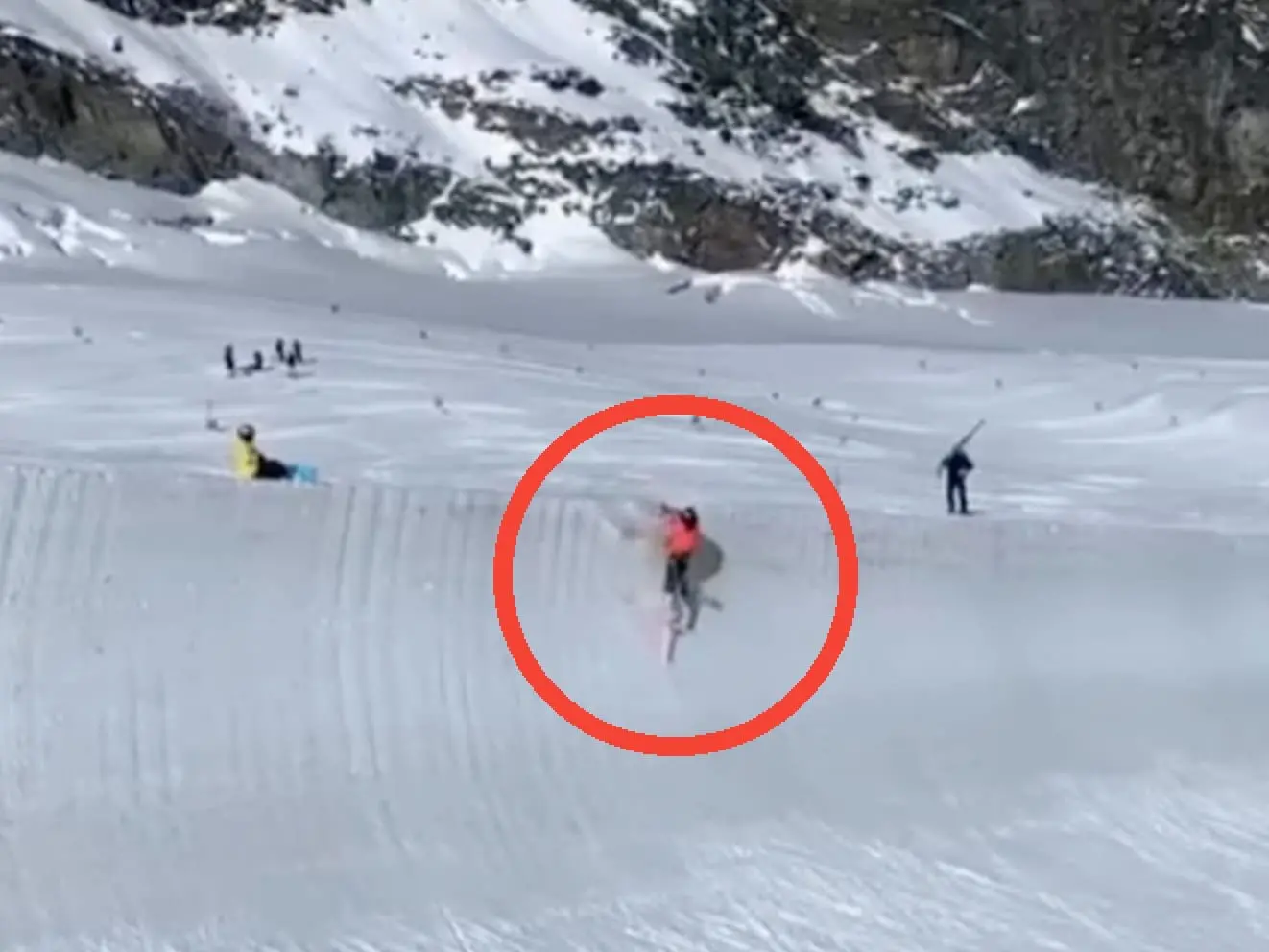
The sport of skiing has always been associated with excitement and danger, but recent events have reignited concerns about safety standards. The crash involving a prominent Olympic skier during a high-stakes competition has not only resulted in serious injury but also sparked discussions regarding the measures in place to protect athletes in extreme sports.
Details of the Incident
On February 14, 2023, during the FIS Alpine World Cup held in Are, Sweden, Olympic skier Mikaela Shiffrin suffered a dramatic crash while navigating the treacherous slalom course. Fortunately, Shiffrin’s injuries were determined to be non-life-threatening; however, she sustained a knee injury that will require surgery and a long recovery process, sidelining her from competition for an extended period.
The incident occurred during one of the key events of the ski season, leading to an immediate response from medical teams on-site, who quickly provided care. Athletes and fans alike expressed shock and concern as the news spread across social media platforms. This incident is the latest in a series of accidents that have raised alarms about the increasingly competitive nature of the sport and its associated risks.
Response and Safety Measures
Following the incident, ski officials and governing bodies have come under scrutiny. Discussions around enhancing safety measures have gained traction, particularly regarding the design of courses and the adequacy of protective equipment for athletes. The FIS (International Ski Federation) has announced an upcoming review of safety protocols, which will include input from athletes, coaches, and medical professionals to address the rising incidents of crashes.
Previously, calls for more stringent safety regulations had been made after several high-profile incidents in the sport, including crashes in both racing and freestyle skiing. Advocates argue for improved helmet technology, padded barriers on courses, and increased training for course inspectors to ensure that they meet safety standards suitable for the level of competition.
Conclusion
The recent Olympic skier crash has not only heightened awareness around athlete safety but also prompted discussions on reform within the sport. With emerging technology and a commitment to prioritizing athlete well-being, there is potential for significant improvements. As the ski community reflects on this incident, it remains crucial to balance the thrill of competition with the necessity of safety, ensuring that athletes can perform at their best without compromising their health.