Introduction
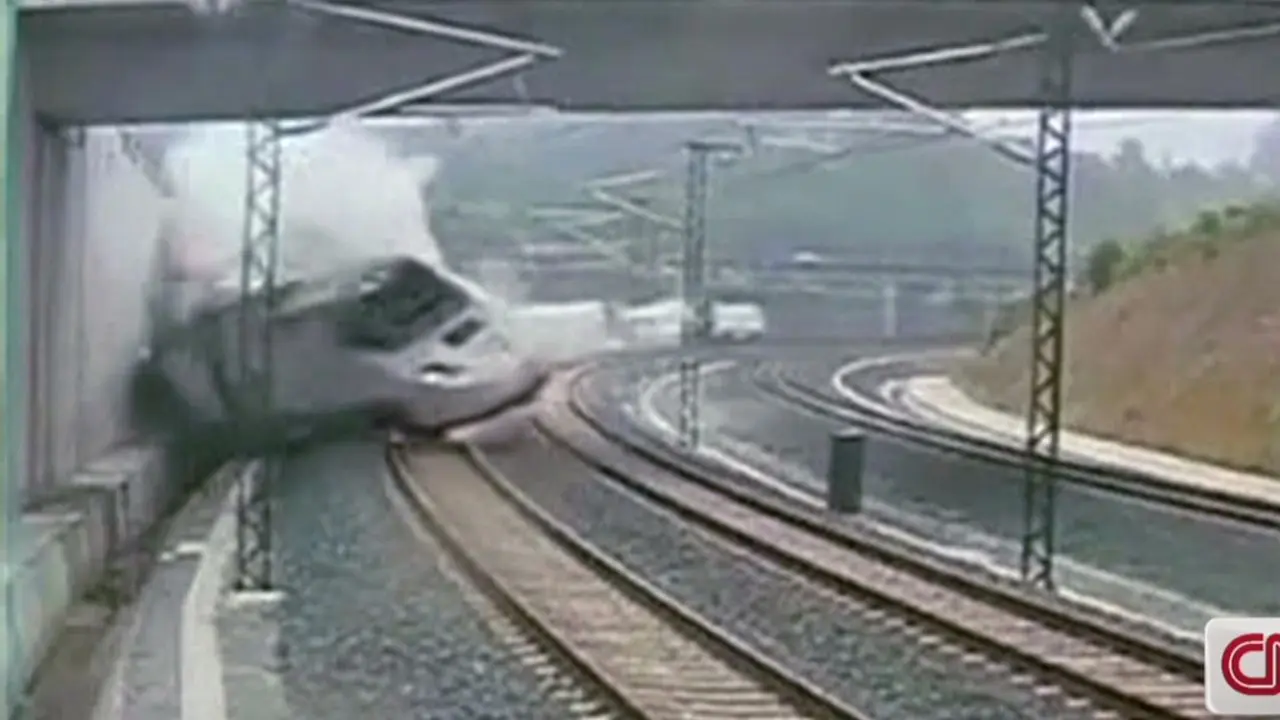
On Tuesday, October 10, 2023, a devastating speed train crash occurred near the town of Santiago de Compostela, Spain, resulting in multiple injuries and raising serious concerns regarding rail safety in the country. This tragic incident highlights the ever-present risks associated with high-speed rail travel, an essential mode of transportation for millions across Europe.
The Crash Incident
The crash happened at approximately 3:15 PM local time when the AVE high-speed train, which was traveling from Madrid to Santiago de Compostela, derailed while pulling into the station. Eyewitness reports describe a scene of chaos, with passengers thrown from their seats and emergency responders rushing to assist.
Initial investigations suggest that a mechanical failure may have contributed to the accident, but a thorough inquiry is currently underway. The Spanish Transport Minister, Raquel Sánchez, emphasized the importance of a comprehensive investigation to ensure accountability and prevent future incidents.
Casualties and Responses
Emergency services reported at least 50 people were injured, with several in critical condition. In response, local hospitals have been put on high alert to accommodate the influx of patients requiring urgent medical attention. Rescue teams worked tirelessly, and the scene was described as harrowing, with ongoing support being provided to affected families.
Transport Minister Sánchez expressed condolences to the victims and their families, stating, “Our focus now is on aiding those affected and finding closure through a full investigation into how this incident occurred.” Rail authority officials also assured the public that rail safety is a top priority, urging passengers to remain calm amid rising concerns.
The Context of Rail Safety in Spain
This incident comes after several years of declining rail accident rates in Spain, with the country boasting one of the safest high-speed rail networks in the world. However, experts argue that this tragedy serves as a stark reminder that continuous scrutiny of safety protocols is essential. In recent years, Spain’s investment in high-speed rail infrastructure has placed increased focus on operational efficiency, but safety measures must not be overlooked.
Conclusion
The speed train crash in Spain has shocked the nation and reignited debates about the safety protocols in place for high-speed rail travel. As investigations progress, it is imperative for rail officials to communicate transparently with the public and address any underlying issues that contributed to this disaster. In the wake of this tragedy, Spain’s commitment to ensuring the safety of rail travel will be crucial for restoring public confidence and preventing future accidents.